Looking back on the passion and rigor that shaped the product
Digital transformation and online optimization — two of the hotel industry's most stubborn challenges. Large hotels have been locked into complex, clunky PMS platforms built by foreign vendors. Small and midsize properties have struggled to keep pace with the rapid shifts in online distribution.
Turning a market problem into a business solution.
That's startup 101. And for ONDA's A-PMS team, it meant recently launching a hotel-specific PMS built from the ground up.
Once deployed, the feedback was immediate. The system felt intuitive — like using a modern web app. First-time users picked it up quickly. And unlike typical system migrations that bring a flood of bugs, ONDA's PMS has been rock-solid three months in. Sure, there were questions — "Where's the feature that was in that menu in the old system?" — but staff adapted without much friction.
The credit goes to tight team collaboration and relentless retrospectives.
Today, we're pulling back the curtain on how the A-PMS team spent the past year building something people actually want to use.
Equal Time for Everyone to Surface Problems
The A-PMS team adopted KPT retrospectives as a core operating principle.
KPT stands for:
Keep — what's working and should continue
Problem — what's broken or needs improvement
Try — actionable solutions to test right away
To solve Problems faster, the team created space for open, honest conversation. No hierarchy. No holding back. That directness translated into faster fixes.
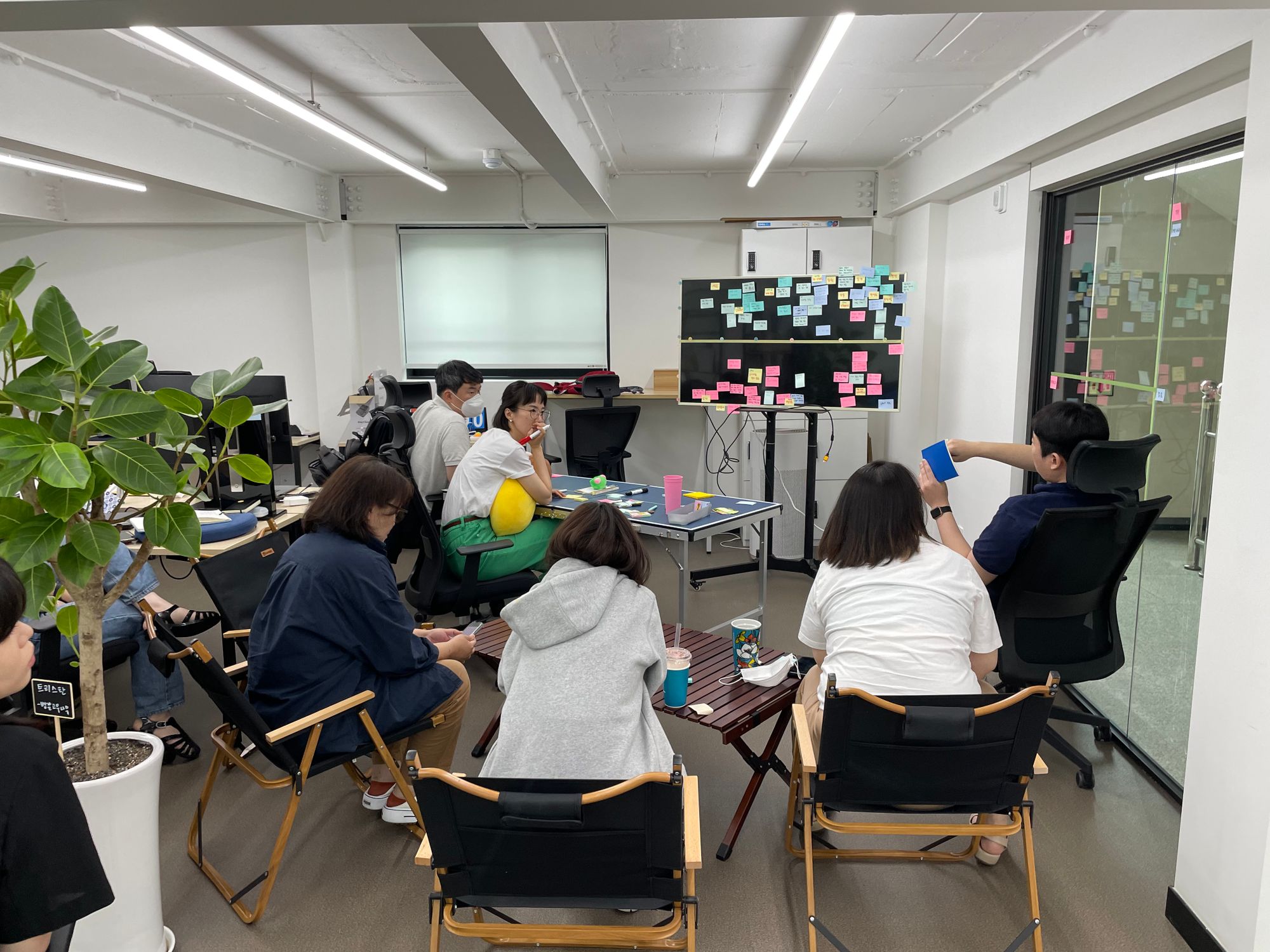
Early on, the biggest Problem was simple: low domain knowledge and weak field understanding.
So how did they fix it?
"At first, I thought about enrolling in one of those training centers that teach legacy PMS systems," said Ga-eun Ji, A-PMS Team Leader. "You can learn a bit from old software and manuals, but to build something that feels different, you have to go to the field."
The team conducted on-site interviews in Namhae and Gapyeong. They shadowed front desk staff during peak check-in hours on weekends. They obsessed over the frontline. Eventually, they reached practitioner-level understanding of hotel operations. It took grit and accountability — but that's what field immersion demands.
That experience also leveled the playing field between the field team and engineering.
Once, a property requested tighter spacing on a screen layout. From a designer's perspective, the carefully calibrated proportions weren't easy to change. But after visiting the site and experiencing the workflow firsthand, the designer understood the pain point. The existing layout looked polished — but if staff couldn't see everything on one screen during a busy shift, it didn't work. The design was revised to increase information density while keeping usability intact.
"How close you get to the field determines product quality," Ji said. Diverse field exposure built a framework fast — and the results caught up just as quickly.
The A-PMS team plans to keep logging field time to maintain that quality bar.
OKRs: Aligning Everyone Around Goals
OKRs — Objectives and Key Results — are a goal-setting methodology that makes team objectives measurable and trackable. By linking outcomes to Key Results, OKRs connect high-level goals to daily work.
"We started with three people. By the time we launched in June, we were still hiring — and we're now a team of ten," Ji explained. "Keeping everyone aligned on one goal is hard. That's why we chose OKRs."
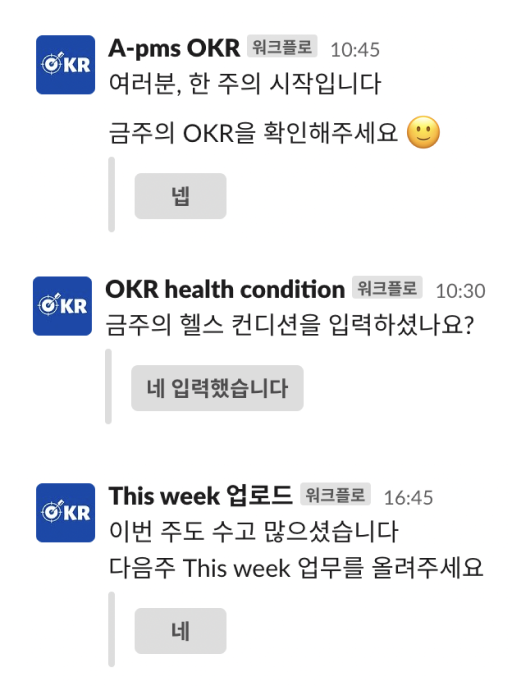
OKRs motivate individuals and clarify team objectives. Results are shared transparently, raising mutual understanding. That becomes the engine that moves everyone in one direction. The A-PMS team holds a weekly Monday sync to plan the week ahead, and a Friday retrospective to review progress.
On Fridays, they also touch on softer topics — communication, teamwork, mental state. This strategic cadence helped the team uncover individual initiative and unlock strong collaboration.
Space Design for Mental Well-Being
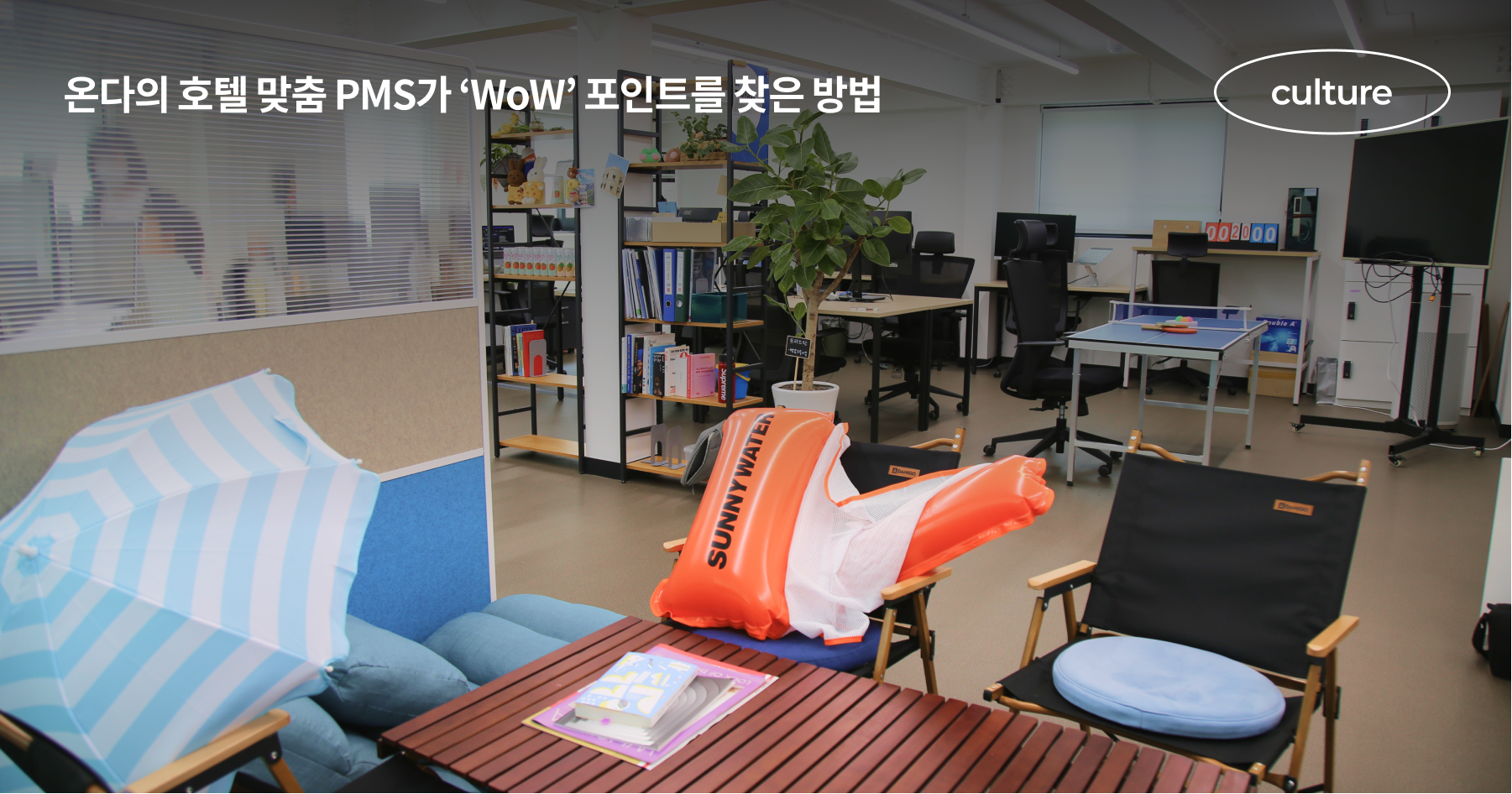
As the A-PMS team scaled quickly, efficient space planning became critical. Office layout shapes how a team communicates. To meet deadlines and strengthen teamwork, the team moved to a dedicated space — affectionately dubbed "Cool Place."
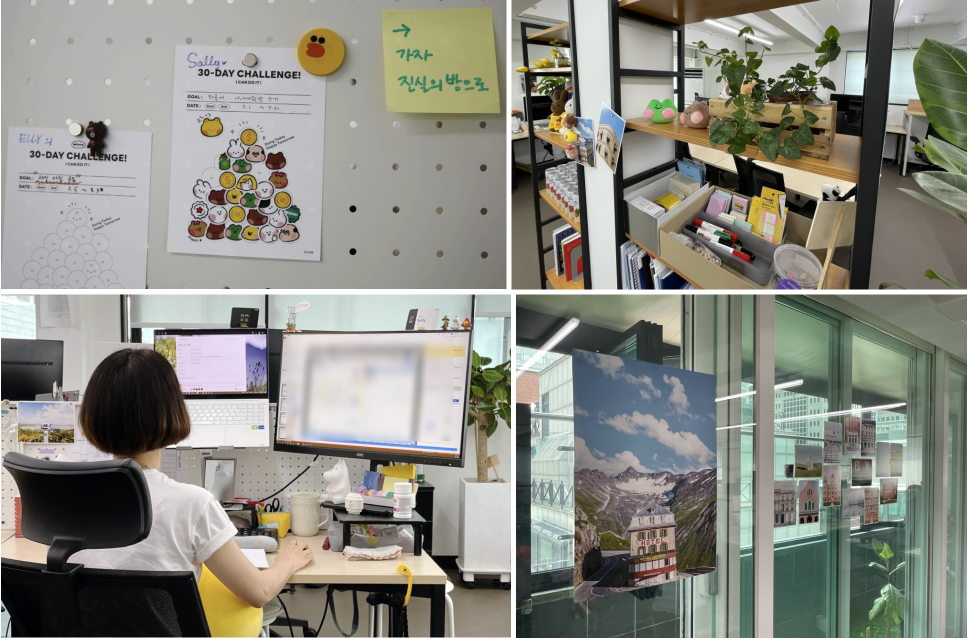
The space was thoughtfully outfitted with comfort items and layout choices designed to support the team emotionally. It started as a small gesture from the leader, but it mattered.
"I've tried a lot of things," Ji admitted. "They say office design changes how people communicate. I'm no expert, but once the team was all together, I thought — let's really do this right. I wanted a space where we could talk comfortably. Have meaningful conversations. Rest when we need to rest. Work when we need to work. A place that's genuinely good for us."
Inside Cool Place is a small room called the "Truth Room" — a spot for quick check-ins and emotional care.
That's a look at how the A-PMS team works. The product shipped solid. The teamwork is just as strong. And the future looks even brighter. There's a saying: alone we're a drop, but together we make an ocean. Here's to the A-PMS team charting even wider, clearer waters ahead.
⚠️ All rights reserved. Cite this piece as 'ONDA (온다)' when quoting.