A peek inside ONDA's hiring philosophy
ONDA is a platform and solutions company that helps accommodations sell their rooms more easily and efficiently. Since launching in 2016, over 50,000 properties now sell through ONDA, partnering with 40+ OTAs domestically and globally — including Yanolja, Naver, and Airbnb — and we've grown steadily year after year. We were Korea's first Airbnb Premier Partner and Google Hotels' first domestic partner, building solid relationships with global players along the way.
As a result, we became the first Korean company to rank among Skift's "Global PMS Vendors" (34th place), and the Financial Times named us an "Asia-Pacific High-Growth Company" two years running (2022–2023).
ONDA's steady growth has many causes, but one critical factor: finding the right people. So how does ONDA discover great talent?
*This post is adapted from an interview published by Gyoyookui Bom ("Education's Spring") as part of their "Good Hiring Companies" campaign. For the full original interview, visit the link below.
> Read the full interview at Gyoyookui Bom
1. How ONDA Was Born
Q. Tell us about yourself.
I'm Oh Hyun-seok, founder of ONDA — a company built on the vision of "transforming the hospitality industry through technology." It's been seven years. As a kid, I dreamed of becoming an inventor. Then in middle school art class I realized I had zero manual dexterity. (Laughs)
I was crushed. But then I discovered computers in elementary school.
I realized: even without dexterity, I could build things with code. And those things could make the world better. So I studied computer science, worked as a developer. Eventually I realized being a developer alone wouldn't let me create the kind of impact I wanted. I'd need to become an entrepreneur. That's how I ended up here.
Q. You started your career as a game developer. What made you launch ONDA?
I became a developer to build something meaningful — to contribute positively to the world. But gaming wasn't really the field I wanted. I figured if I wanted to dream bigger, I needed to see more of the world. So I quit and went to the U.S.
My original plan was an MBA, but once I arrived, I thought experience would matter more. So I spent a lot of time in Korean-American communities. I saw them as a microcosm of Korea.
That's when I noticed New York's countless Korean guesthouses. The owners weren't tech-savvy — they were handwriting reservations in ledgers, managing everything the hard way. It was inefficient for them and not a great experience for guests either.
But when I actually stayed there, the places were wonderful. And the sense of community among Koreans abroad really resonated. I thought: "What these guesthouse owners are doing matters. What if I used my skills to give customers a better experience?" That idea became ONDA.
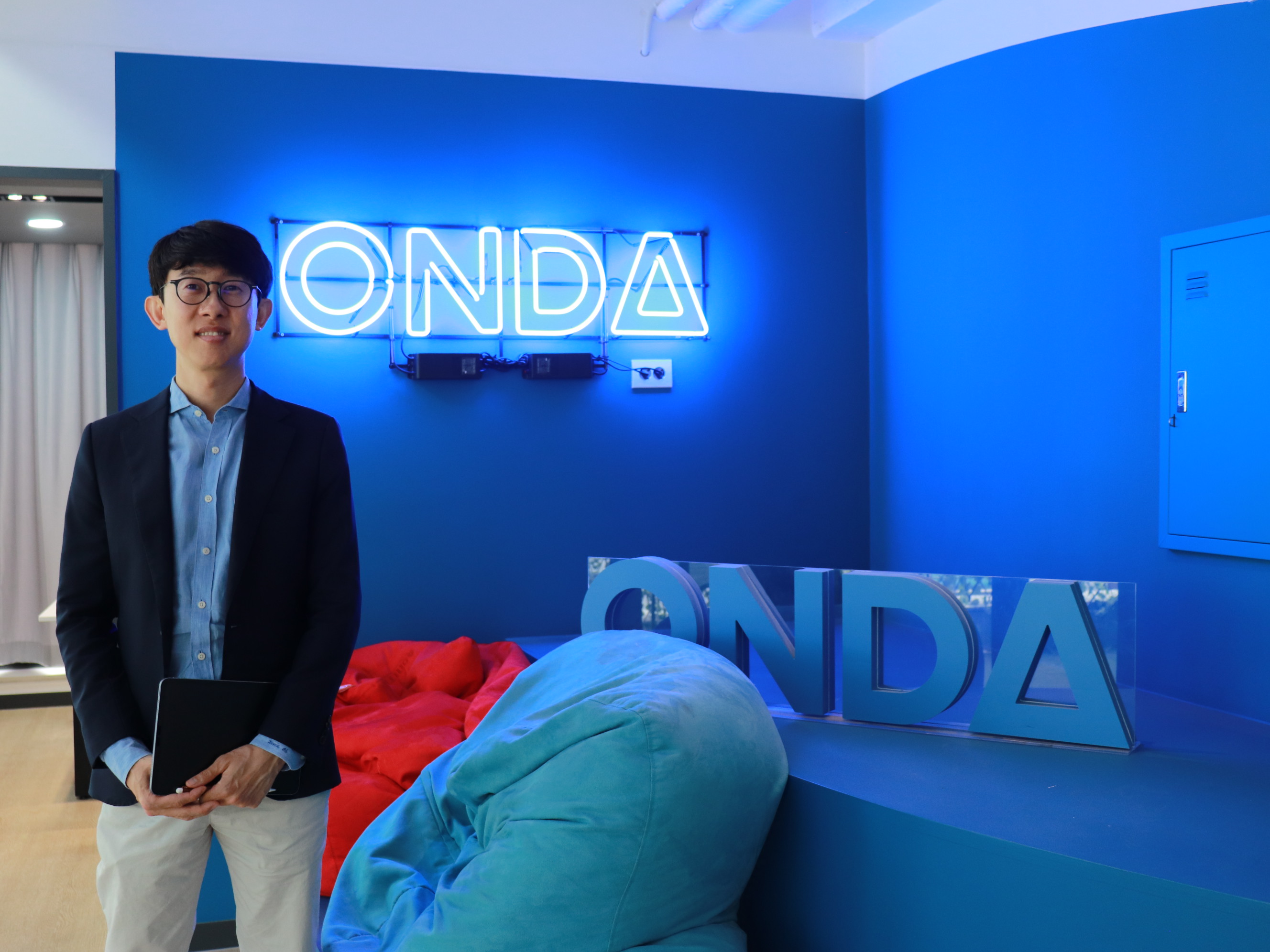
Q. What is ONDA?
Most people have booked and stayed in a hotel. But probably never imagined what happens behind the scenes — how the reservation system actually works. ONDA is a B2B company, so you'll need to use your imagination a bit here. (Laughs)
To maximize bookings, properties need to list on as many online platforms as possible. But the more channels you use, the higher the risk of double-booking — which makes inventory and pricing management extremely difficult. Say someone books "Good Hiring" room for May 1 on Platform A. Every other platform needs to show that room as unavailable. Without syncing that booking data, you get double-bookings.
And the liability falls on the property owner. They face penalties or have to pay out of pocket. We realized properties needed software to manage multiple booking channels. That's why we built ONDA HUB — an integrated channel management system.
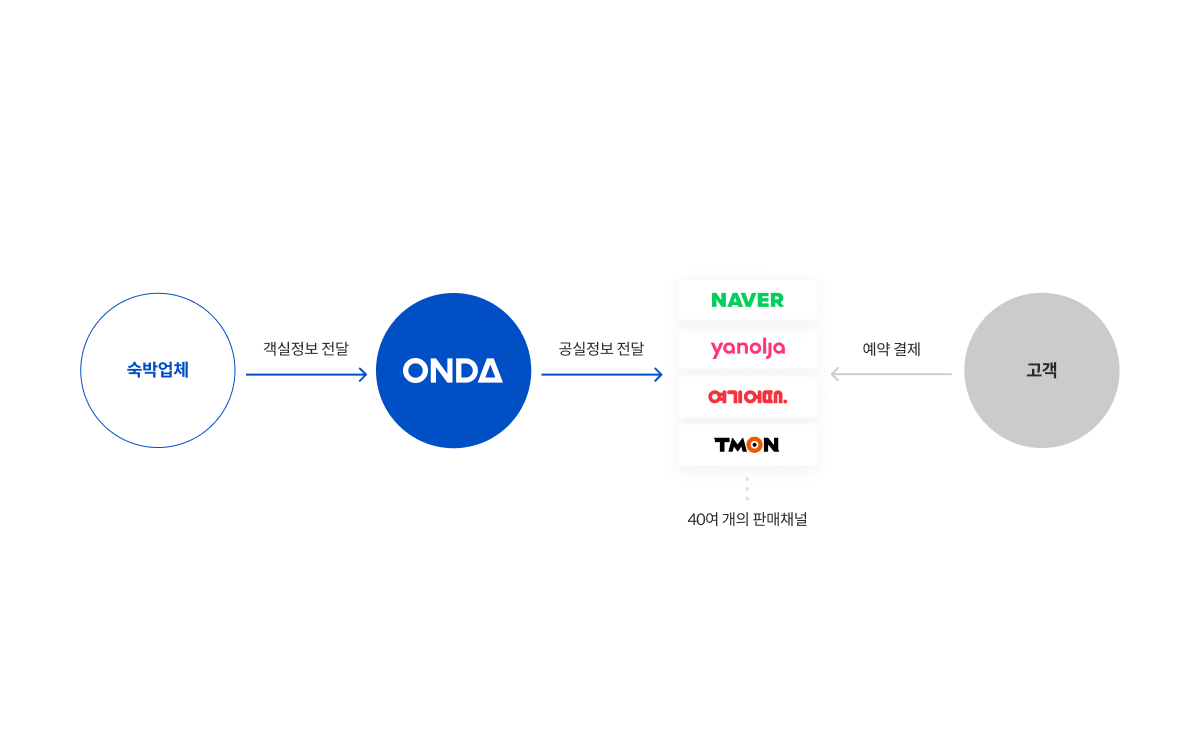
When we launched, we focused on pensions (vacation rentals). Now we've expanded to hotels. Through ONDA HUB, we sync booking data with platforms like Yeogi Eottae, Yanolja, Agoda, and Airbnb. Because we'd already built a database working with small and mid-sized property owners, we were able to partner with hotels too.
And to deliver even more value, we built a PMS (Property Management System) — essentially an ERP-style tool for hotel operations — so properties can manage their entire business in one place.
2. In Hiring, Your Story Matters More Than Your Credentials
Q. Love the origin story — finding a need and turning your skills into a startup. Walk us through ONDA's hiring process.
We follow a pretty standard structure: resume screening, first interview, second interview. After that, we let candidates know our decision. During the resume stage, we look at culture fit. If you pass, you interview with HR and the relevant team lead for a practical skills assessment. If you pass that, you meet with me or another executive to assess alignment with our values. Then we make the final call.
Beyond the formal process, we also offer something unofficial: candidates who are highly motivated can request a "tea time" — an informal conversation. Resumes are text on a page. They can't capture someone's deeper story. Tea time lets us hear the philosophy and values underneath. We want to understand your narrative.
Q. How does the resume stage work?
We accept free-form resumes. If the format is fixed, candidates have to fit themselves into a mold. And then we miss people with great energy or skills. We believe if you can express your passion, energy, and capability on a blank canvas — and it resonates with us — we're open.
Here's a random story from my childhood. I really wanted a new computer, so I entered a magazine contest.
The entry form was a postcard — you'd write your name, address, and the answer on one side. But leaving the back blank felt like a waste. So I wrote a tiny essay about why I needed the computer and what I'd do with it. Later I learned the judge pulled my postcard out of the box because it was covered in writing. They read it, liked the story, and decided: "Might as well give it to this kid."
That experience taught me to approach life proactively and confidently. At ONDA, we apply the same thinking. You don't have to list your education. Just tell us why you're special and what you want to do here. If we feel it, that's enough.
Q. Tell us about the interview stages.
The first interview (skills interview) is attended by the HR manager and focuses on two things. As a startup, we have specific challenges to solve — and each role has a defined JD (job description). The team lead joins to assess how well you can execute. We're checking both practical skills and culture fit.
Q. Do you give assignments or tests to verify skills?
Yes, but it varies by role. Sometimes we assign a task. Sometimes we do a phone screen. We're constantly experimenting with different approaches.
ONDA needs people across many functions, and each function requires different skills. So we're always asking: how do we hire well? We try not to be one-size-fits-all.
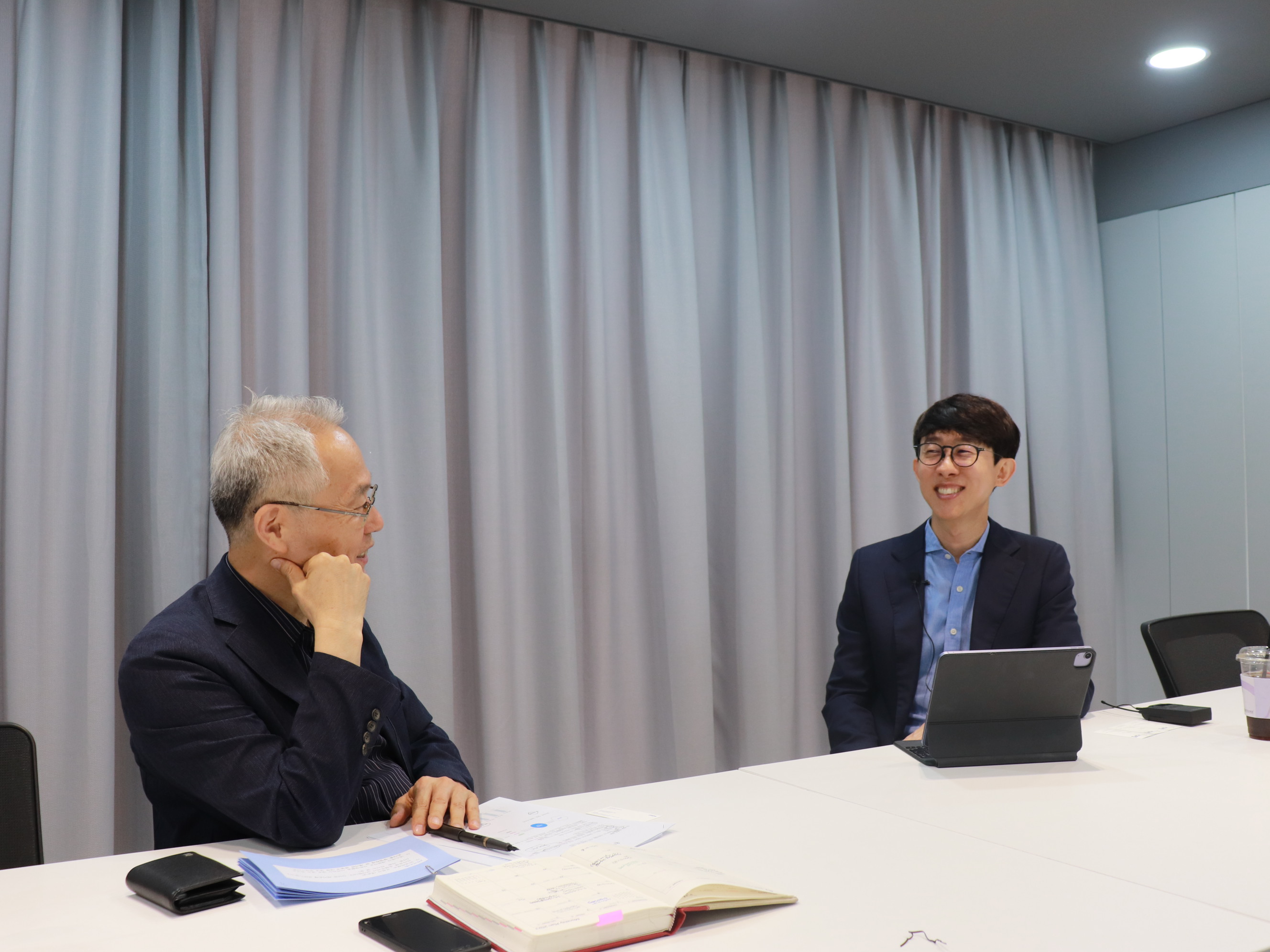
Q. The executive interview is focused on culture fit. How do you approach that, and what do you look for?
I try to hear the candidate's unpolished story. In the first interview, candidates study the company and prep hard to prove they're the right fit. But sometimes people who try too hard to match us... actually don't.
So in the second interview, I want to hear their life story and dreams — what they truly want, and whether their life's journey aligns with ours.
I usually start by sharing my own story to help them relax. "Now that you've heard mine, tell me yours." That usually opens people up.
Also, as the team has grown, I don't get to talk to everyone day-to-day anymore. So during executive interviews, I take detailed notes on what candidates want and what they're dreaming of. If their career path changes while they're at ONDA, I can reference those notes as Chief People Officer and factor them into personnel decisions.
3. What ONDA Looks For in Talent
Q. What's your ideal candidate?
In short: someone who proactively identifies and solves problems, and someone with accountability. We live in an era where problems come and go constantly. The right answers keep changing.
So rather than chasing answers, we need people who can spot problems, define them, and solve them on their own. That's a critical skill. We look for people who've demonstrated that — and who think rationally, creatively, and flexibly. And of course, who take ownership.
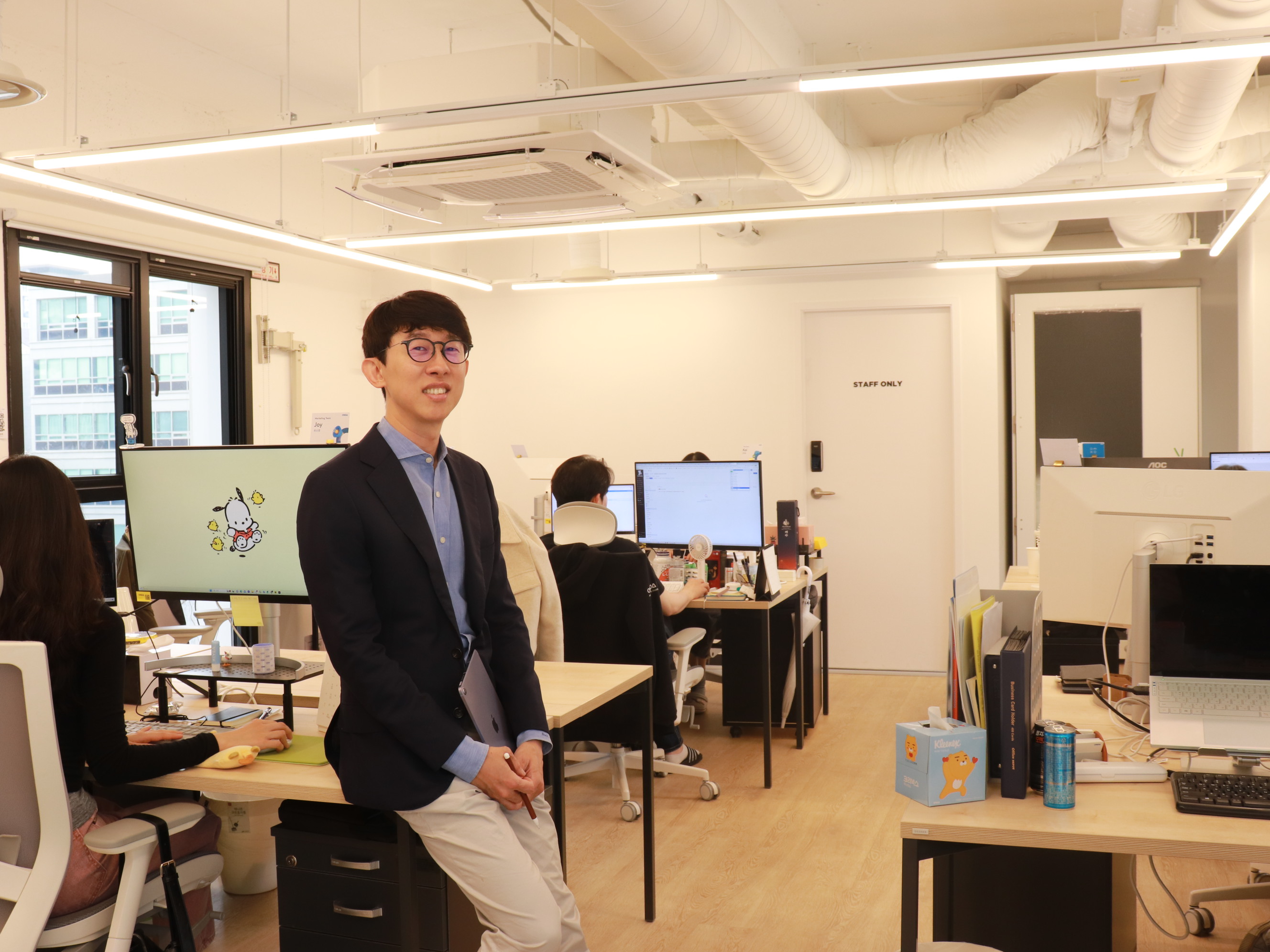
Q. I understand ONDA is very interested in hiring vocational high school graduates. You've signed partnerships with vocational schools and spent over a year and a half pursuing military service exemption/alternative service employer status. Why?
I don't believe you need a four-year degree to do the work ONDA does. Most vocational school students chose their field early because they discovered their passion. That means they already have deep enthusiasm for a specific domain.
Take two computer science majors. One picked CS to match their test scores. The other chose it because they love computers. There's a passion gap.
College is one data point that signals diligence and other traits. But it doesn't tell you everything. I believe vocational students often have more genuine passion for their work. If we can give them opportunities — especially now, when hiring developers is tough — it's a win-win.
4. Toward a Better Hiring Culture
"If companies change how they hire, education will change too. I believe in a virtuous cycle between education and hiring."
Q. As a CEO, what message do you want to share about hiring in Korea?
Since starting this company, I've met a lot of people. When I work with graduates from prestigious universities, they tend to look for the right answer — and the fastest path to it. I think that comes from: "I need to get into a good university. To do that, I need to find the correct answer faster than everyone else." But often, these people aren't great at solving problems. They're excellent at applying formulas to problems — but they've never had to define the formula themselves.
And if you trace this back to the root: Korea's big corporations use aptitude tests. To pass them, you need to be good at checking the answers they want. You're not being yourself — you're conforming to what the company wants. That mindset cascades down through universities, high schools, middle schools, elementary schools.
We live in a capitalist society. The message is: "Do this, and you'll make more money. Live more comfortably." People think: "If I graduate from a top school, at least I won't starve." But these days, if you have real energy and skills, you can absolutely jump ahead. If more companies like ONDA prioritize capability over credentials, I believe we'll create a virtuous cycle between education and hiring.