A preview of ONDA's upcoming hotel revenue management system

interviewee/ Hotel Plus PO Ryuni
interviewer/ PR Team Rachel
Meet Hotel Plus — ONDA's Hotel Operations Management Solution
"Just by using Hotel Plus, we're selling this well?"
Q. Hi! Can you introduce yourself?
Ryuni: Hi, I'm Ryuni, Product Owner for Hotel Plus. I handle everything about this product. I've been at ONDA for over a year and a half now. Since day one, I've been leading what used to be called 'Easysell' — now Hotel Plus — shaping its overall direction and product roadmap.
Q. What's Hotel Plus in a nutshell?
Ryuni: Until a few months ago, we called it 'Easysell.' The name says it all — 'sell easily.' It helps hotels sell rooms more easily. Many hotels use ONDA HUB to distribute inventory across multiple OTAs. Hotel Plus was the extranet where they could manage pricing, inventory, and content for all those channels in one place.
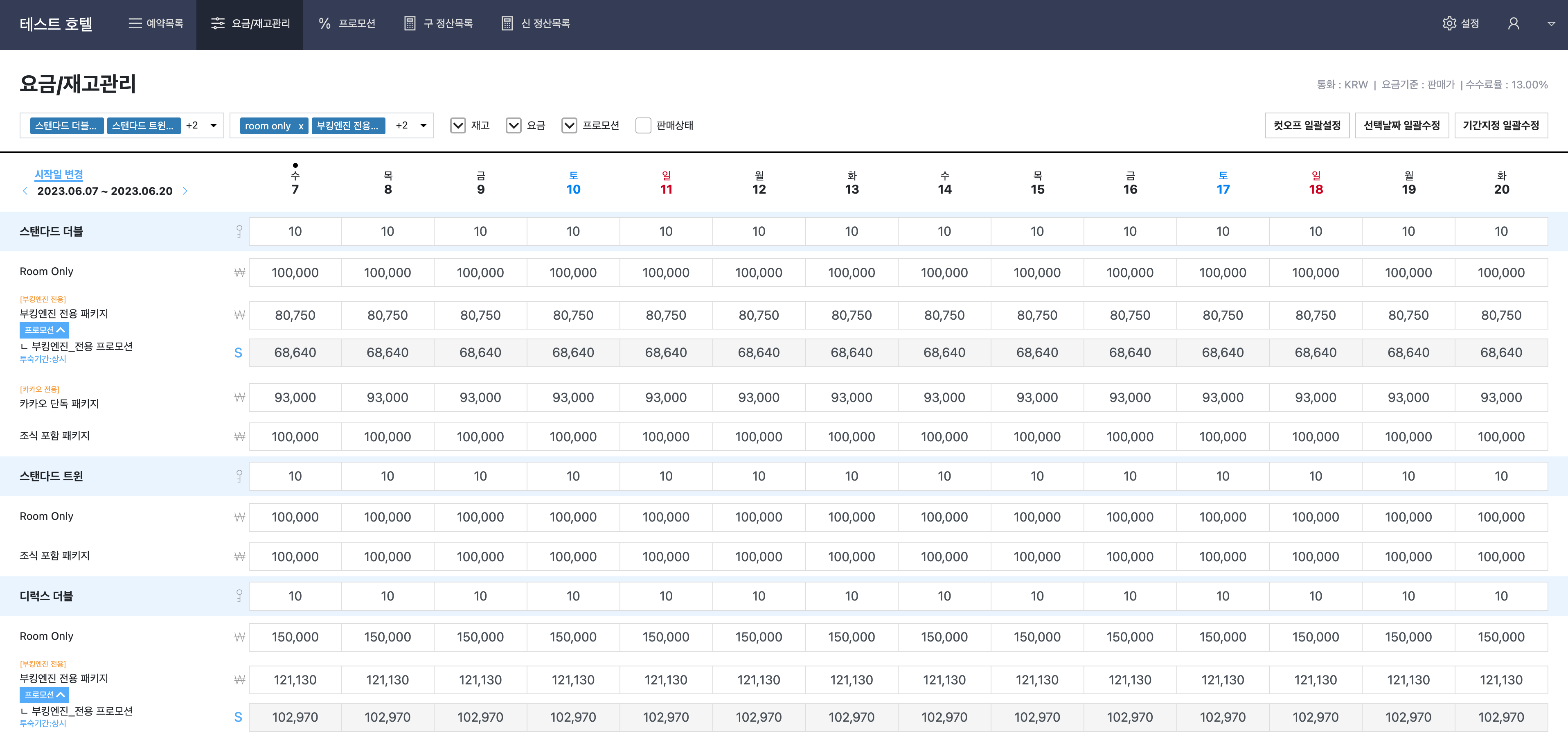
When Easysell first launched, ONDA was focused on pension-style properties. But last year we started expanding into the broader hospitality ecosystem. While Pension Plus remained our PMS for that segment, we rebranded Easysell as Hotel Plus — so each product could zero in on the specific needs of its customer base.
In other words, instead of just being an extranet, we started asking: What revenue problems do hotels actually face? What do they really need?
Q. That shift in direction must've changed the product features.
Ryuni: Exactly. Hotel Plus pushes pricing and inventory to all your connected OTAs through ONDA HUB — so you manage multiple channels with minimal effort. On top of that, we've been adding features specifically designed to boost sales.
Before, you'd set one rate plan and push it to all channels. Now you can create packages that only appear on specific channels — like a Kakao-exclusive rate. As we refine this, hotels will be able to tailor pricing and inventory strategy by channel.
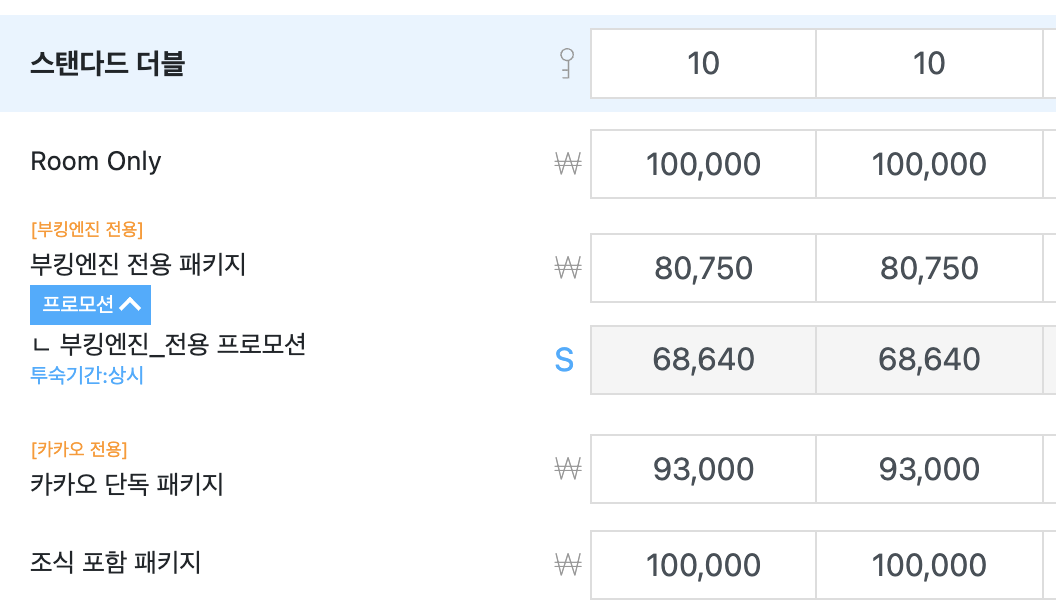
Promotions let you run perma-discounts, early bird offers, last-minute deals — you name it. A room priced at ₩100,000 hits different when it was ₩300,000 before the discount. About 40% of rate plans now use promotions — a year after launch. Clearly hotels get the value.
And it's not just ONDA HUB channels. You can also manage OTAs you've already contracted directly — including international ones. One dashboard. All your channels.
👉Learn more about Hotel Plus
Why ONDA Started Building a Revenue Management System
Q. Word is Hotel Plus is heading in a new direction?
Ryuni: Yes. Beyond operational efficiency, we're evolving into a Revenue Management System (RMS) — built to maximize hotel revenue.
Whenever we shift strategy or ship a feature, we dig into the data first. For Hotel Plus, we looked at which channels drive the most bookings, which features influence sales, and how often they're used.
We needed to define who the real customer is and why they use our product. That's how you build something people truly need — and keep improving it.

When we analyzed GMV, we noticed certain channels — ones traditional PMS or CMS platforms don't support — were driving serious volume. Kakao is a perfect example. Most legacy systems don't integrate with it.
So we defined our customer as: hotels that want to sell across channels they couldn't access before. They use Hotel Plus to list on more OTAs and increase sales. We also learned many hotels could manage OTAs through their CMS extranets — but they preferred centralizing everything in Hotel Plus. More efficient.
Bottom line: Hotel Plus helps hotels sell on more channels and manage them efficiently. Both at once. That's why we're leaning into RMS — a product category hospitality already understands and needs.
Q. Besides data, what else informed your strategy?
Ryuni: Nothing beats talking to actual users. We interviewed hotel GMs. They told us they compare room rates across OTAs daily, track market trends through third-party tools, and sometimes adjust pricing down to the ₩10 increment just to rank higher. (laughs)
That's when it hit us: hotels spend enormous time and money chasing market intelligence. It validated our bet on building Hotel Plus into a real Revenue Management System.
Hotel Plus as an RMS
Q. What does a good RMS look like to you?
Ryuni: A good RMS delivers four things: 1) channel connectivity, 2) market analysis, 3) operational efficiency, and 4) sales analytics. All geared toward increasing revenue.
It should automate distribution across channels, manage pricing and inventory per channel, and forecast demand using booking data, comp set analysis, and market intel. Based on those forecasts, it should auto-update rates. It should track total rooms, booked rooms, and remaining inventory. And it should give you KPIs like occupancy, ADR (Average Daily Rate), and RevPAR (Revenue Per Available Room) — with insights that help you hit revenue targets.
Q. So what's next for Hotel Plus to become that RMS?
Ryuni: Since Hotel Plus started as an extranet, we're still catching up on market analysis, operational efficiency, and sales analytics. But because we started there, we nailed the foundation: packaging products and automating distribution across channels.
Our first priority is to keep excelling at ✔️channel connectivity. Second is ✔️operational efficiency — automating the management of product info (promotions, packages, inventory, etc.). Instead of hotels tweaking everything manually, we'll use the data we already have to recommend rates and inventory adjustments automatically.
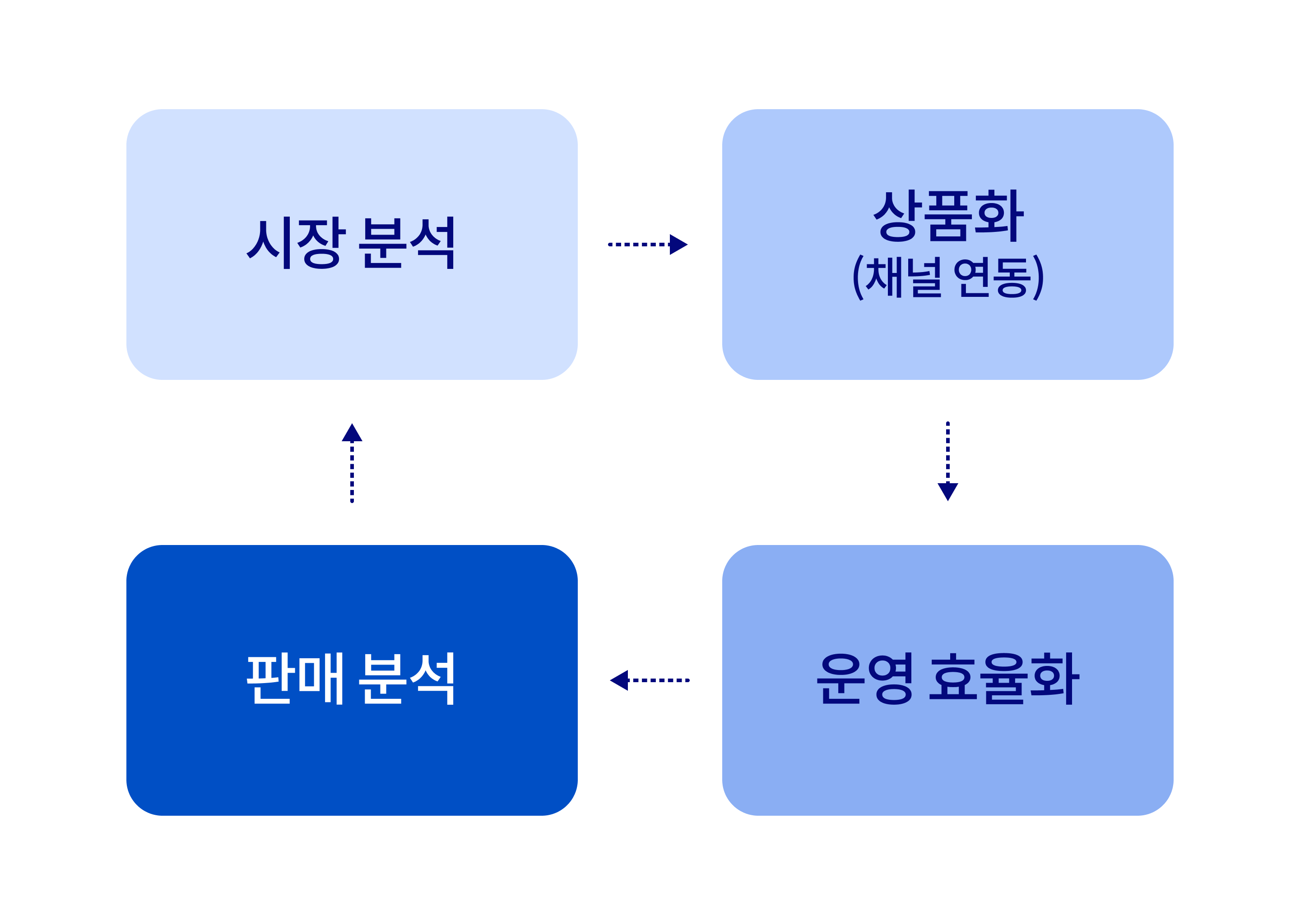
The RMS loop is: market analysis → productization (channel connectivity) → operational efficiency → sales analytics. If the productization and efficiency pieces are weak, the whole thing breaks down. Once those are solid, we'll layer in the market and sales intelligence features we're missing.
We'll slash the time hotels spend comparing OTA rates every day. And we'll make demand forecasting dead simple.
Q. International RMS products are well-established. What's ONDA's edge?
Ryuni: RMS is one of the most in-demand categories in hospitality. Korea doesn't have as many specialized players yet compared to overseas markets.
But ONDA already has thousands of properties on the platform. We're integrated with most OTAs. That means we have massive amounts of pricing, inventory, and sales data. That's enough to give hotels the insights they need to drive revenue.
The sheer scale of our channel network and property base gives ONDA serious upside in the Korean RMS market.
Between ONDA HUB (our integrated sales platform), Dive (our PMS for large hotels and resorts), and now Hotel Plus as an RMS — we're building an ecosystem hotels won't want to leave.
Q. If you had to sum up the future of Hotel Plus in one sentence?
Ryuni: Hotel Plus used to be about easy selling. Now it's about revenue growth.
As sales keep climbing, I want to hear hotels say: 'We made the right call using Hotel Plus' or 'Just by using Hotel Plus, we're selling this well?'
That's the Hotel Plus we're building — one that owns Revenue Management for hotels.
Revenue Management is non-negotiable for modern hotel operations. Forecasting demand quickly, setting the right rates, and distributing efficiently across the right channels — that's how you drive revenue.
According to Hotel Tech Report, hotels that adopt an RMS typically see RevPAR increase by 5–20% through optimized pricing. They also save 20–40 hours per month by automating manual workflows.
ONDA is leading the digital transformation of Korea's hospitality ecosystem. Curious how we'll deliver a world-class Revenue Management System?
Stay tuned.