Airbnb and the entire accommodation industry are about to change—for real
When Airbnb announced its "mandatory business registration" policy in Korea last July, I remember thinking: "This is going to be huge. But if everything gets taken down, where will tourists even stay?" Because this wasn't just another compliance announcement—it had the potential to upend Korea's entire short-term rental market.
We're talking about a market that's already grown past ₩1 trillion annually. This was a radical decision that could reshape the whole thing from the ground up.

The Scale of the Shock and Its Impact
Let's set the scene: As of 2023, there were over 73,000 Airbnb listings in Korea, with annual transaction volume exceeding ₩1.1 trillion. The problem? An estimated 70–90% of these listings operate without proper business registration—meaning they're technically illegal. According to Yanolja Research, while Airbnb transactions in Korea hit ₩1.1289 trillion in 2022, only ₩21.7 billion was reported to the National Tax Service as VAT.
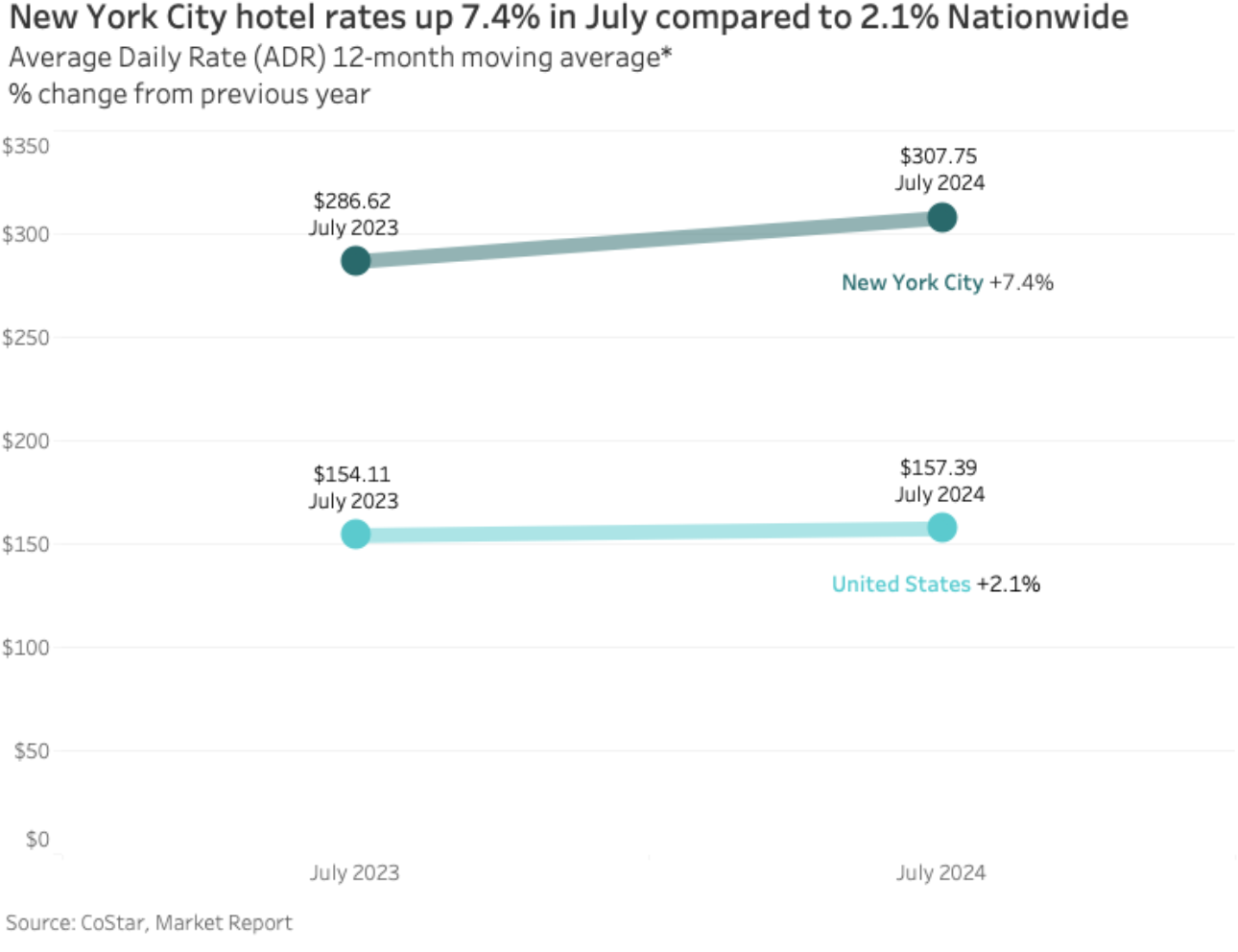
Looking at what happened elsewhere gives us a preview of what's coming. When Japan rolled out its Minpaku Law in 2018, listings plummeted from 62,000 to 13,800—an 80% drop—and out of 150,000 reservations, only 2,000 were at legal properties. An even more extreme case: New York in 2023, where host-occupancy requirements and other strict regulations caused short-term rentals to collapse by 92%, sending hotel prices up 7.4%.
The biggest question in Korea: What happens to all those officetel listings in Seoul's Gangnam, Hongdae, and Jongno after October 2025? They're about to vanish from Airbnb en masse.
This is inevitable due to legal structure. Under Korea's Building Act, officetels are classified as "business facilities," but accommodation business registration is only allowed for "accommodation facilities." In other words, you can't legally register an officetel as a lodging business. The Supreme Court already ruled in 2016 that "Airbnb in officetels is illegal".
This puts officetel hosts in an existential crisis. Most are small operators who've leased or purchased multiple units to run as short-term rentals. Now they're forced to pivot to long-term rentals or pivot entirely—maybe space-sharing for parties or events. But that's a completely different business: different customers, different channels, different operations. Not an easy transition.
Travelers will feel it too. Fewer options. Higher prices on what's left. Especially for budget travelers who wanted to stay in the city center—this is a big hit. One of Airbnb's core appeals—"unique, affordable places in the heart of the city"—is about to shrink dramatically. Expect a mass migration to hotels or other platforms.
Short-Term Winners: Hotels, Residential-Style Lodging, and OTAs
The clearest beneficiaries? Hotels—especially mid-range and business hotels.
Airbnb's killer feature—"affordable private space in the city"—is disappearing. Travelers looking for similar options at similar price points will flood into hotels. As the New York case showed, supply contraction leads directly to higher hotel prices and occupancy.
Residential-style lodging (생활형숙박시설) is also a big winner. These properties offer almost the exact same product as Airbnb's officetel listings, but with one massive advantage: they're legally classified as "accommodation facilities" under the Building Act, so they can operate 100% legally. With their biggest competitor wiped out, urban residential lodging is about to see unprecedented demand.
Korean and international OTAs are also in prime position. They've dominated hotel/motel/pension bookings but have been shut out of the "shared accommodation" space that Airbnb has owned. Now they can absorb both the displaced guests and the handful of legal hosts who remain—a whole new growth engine.
This Is Just the Beginning for Airbnb and the Industry
That said, Airbnb isn't taking a pure loss here. Korea's government is pushing hard to hit 30 million foreign visitors—and for that, it desperately needs quality accommodation supply. If Airbnb were to pull all its listings tomorrow, you'd see an immediate spike in lodging shortages, prices, and a drop in foreign tourism. It's that straightforward.
You could even argue that, cynically, Airbnb benefits from making this a big crisis in the short term. The more chaos now, the more leverage it has at the long-term negotiation table. Maybe it extracts concessions like "legalizing short-term rentals for domestic guests" or "a pathway for officetels to operate legally." Even if full legalization is off the table, Airbnb can point to "positive regulation" models abroad.
Take Japan: the 2018 Minpaku Law didn't ban short-term rentals—it capped them at 180 days per year. That stops housing from being converted into full-time commercial hotels while still allowing part-time hosting. A smart middle ground.
Paris does something similar: 120 days per year (soon dropping to 90) for primary residences, with all listings registered and tracked by the city government. It's not "ban vs. allow"—it's "manage and legalize within limits."
In the end, this isn't about prohibition vs. permission. It's about finding a balance between tourism growth, housing stability, tax collection, and safety—and that process is just starting.
Like every paradigm shift I've watched in tech, the winners will be the players who read the change early and prepare. If Korean OTAs play this right, they could reclaim huge chunks of the domestic market that Airbnb has dominated.
What do you make of all this?