A 30-room Gapyeong resort designed for groups: pool villas that sleep 23, corporate retreat packages, and bundled water sports. Started in 2014 by a leisure entrepreneur who saw hospitality coming.
Property type: Resort
Address: 1706-118 Bukhangang-ro, Cheongpyeong-myeon, Gapyeong-gun, Gyeonggi-do
Room types: Pool villa (Master/Luxury/Rooftop), Couple room, Suite room, Annex room, Family room
Amenities: Seminar room, BBQ area, swimming pool, spa, table tennis, badminton, foot volleyball court, private parking, walking trail, cafe Nearby attractions: Petite France, Yumyeongsan Mountain, Cheongpyeong Lake & cruise, Nami Island, Midas Golf Club, Daemyung Ski Resort
Q Hello! Could you introduce yourself and the property?
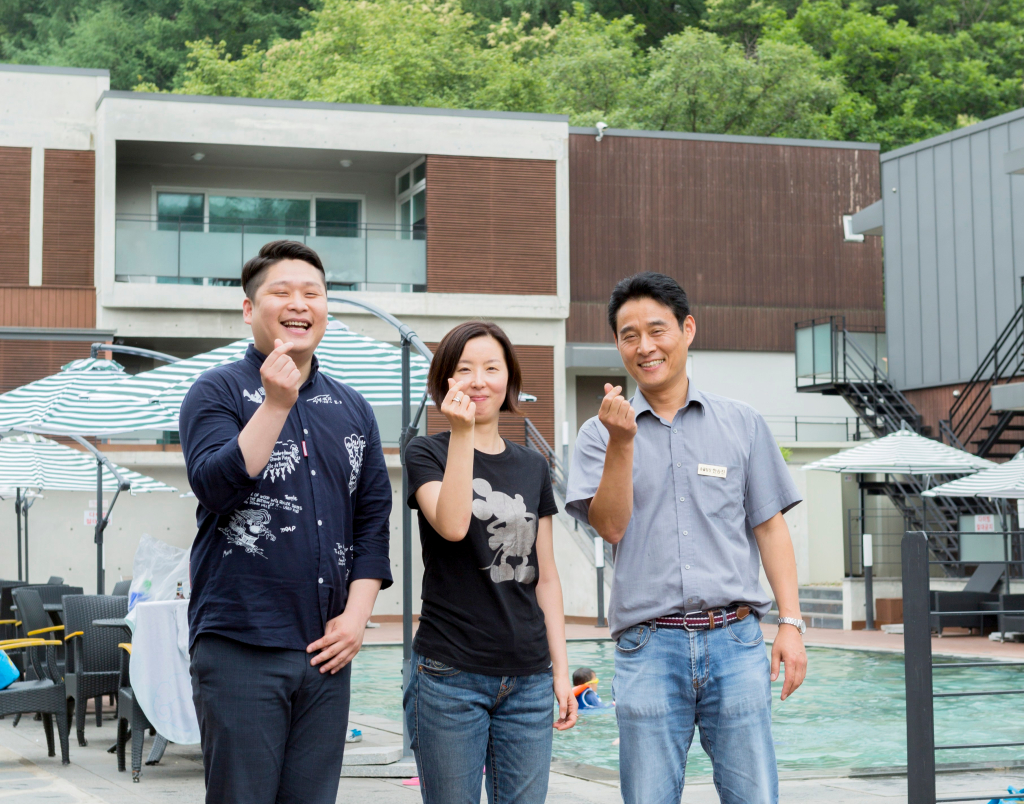
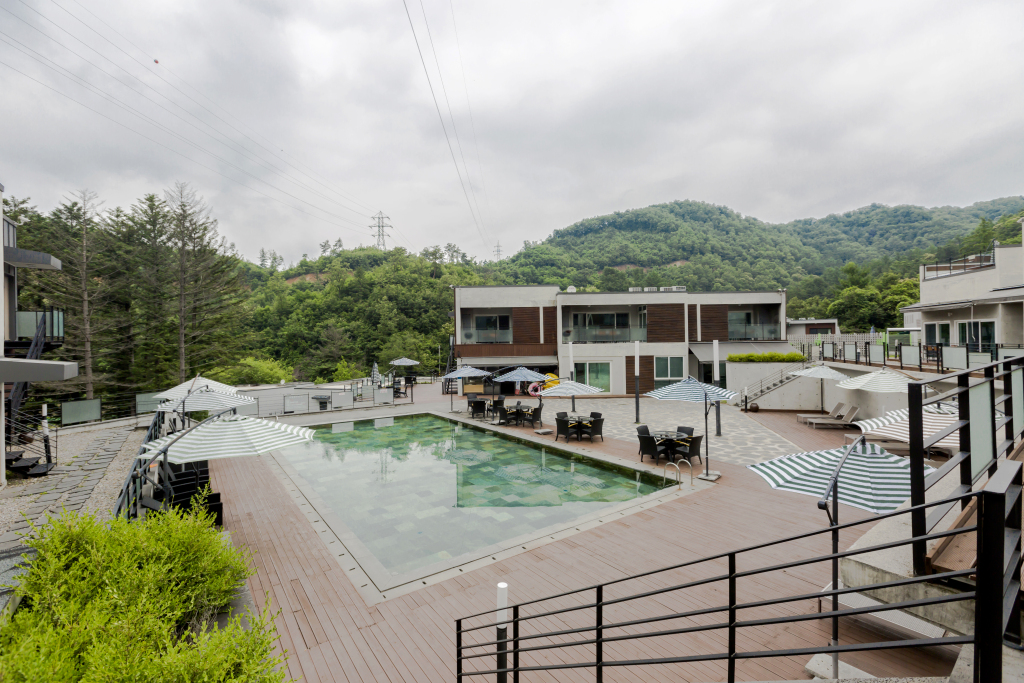
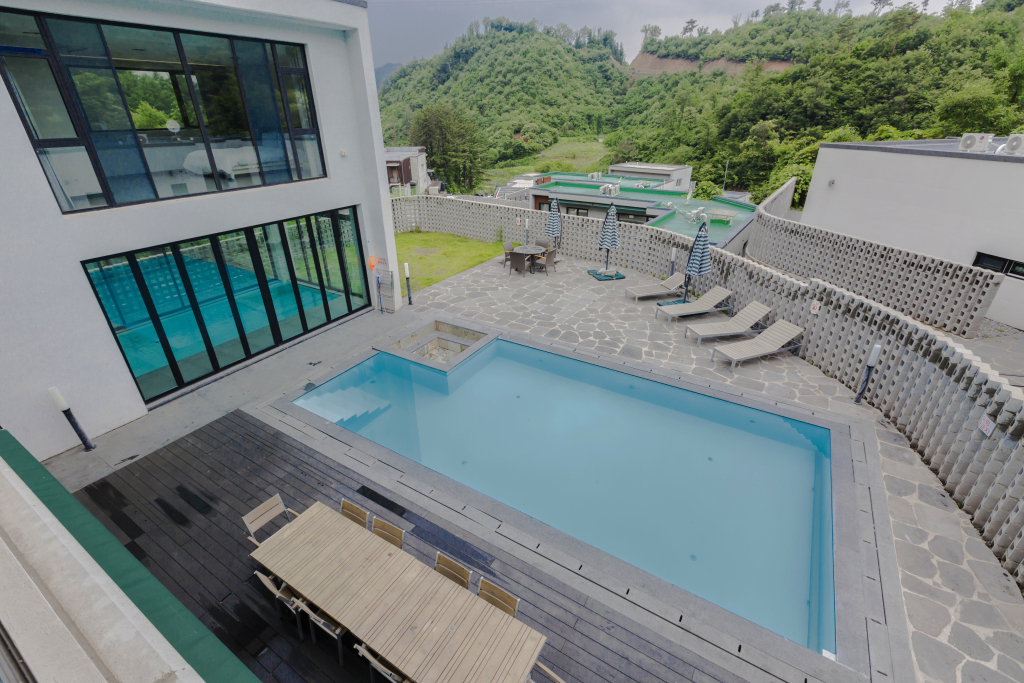
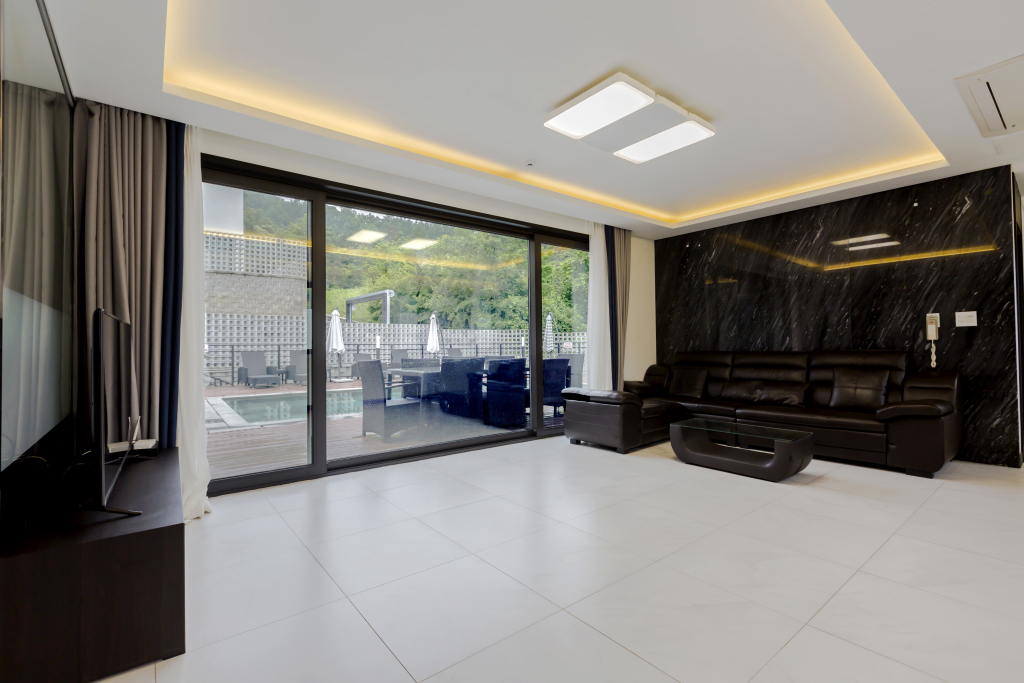
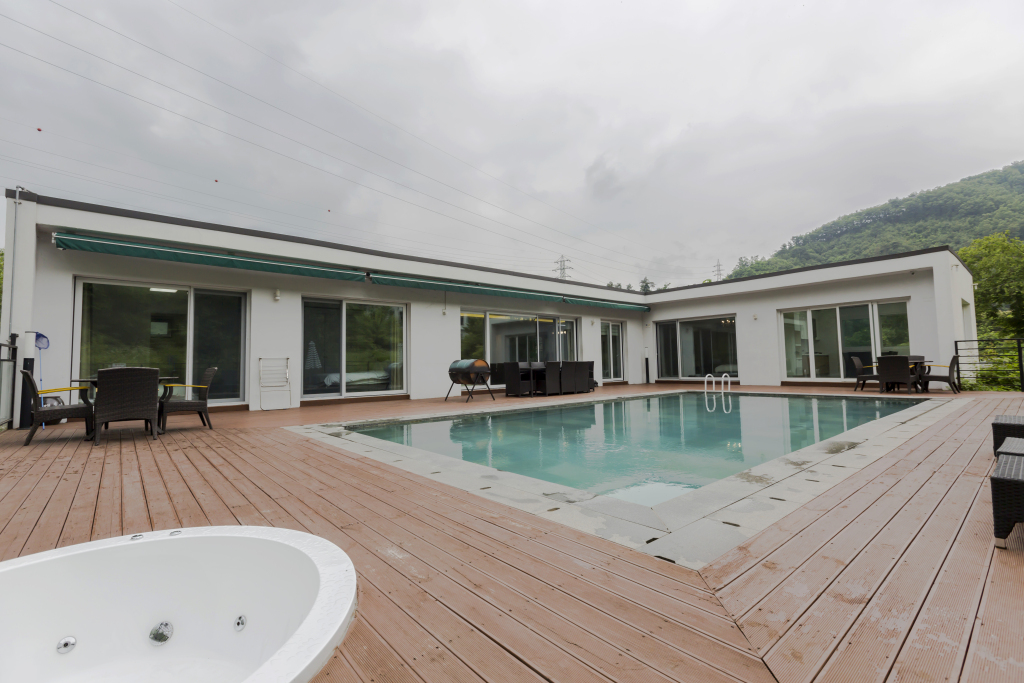
Hello, I'm Lee Ha-won, and I run River Heim in Gapyeong. River Heim opened in 2014 as a resort-style pool villa pension with 12 pool villas and 17 standard rooms—30 rooms in total. We have everything from small pension-style rooms to larger options like pool villas, annex rooms, and family rooms—about six or seven different types. Even among the pool villas, the layouts vary: rooftop, indoor, outdoor, and different numbers of pools. Our largest villa has four bedrooms and can accommodate up to 23 people—it's pretty spacious. We've also divided our seminar rooms and BBQ areas by size, and there's one villa where we accidentally built the pool way too big. (laughs)
Because we can comfortably host over 200 people, companies often book the entire property for retreats or pool parties. These days, small-scale corporate workshops are in demand, and most pool villas don't accommodate more than 10 people. But we're built for that—so we get a lot of repeat corporate clients and workshop groups. On top of that, River Heim has run other leisure businesses in this area since before we opened, so we offer water sports, bungee jumping, and other activities bundled with accommodation.
Q What got you started in hospitality?
Our original owner was really into leisure activities and already ran several leisure businesses in Gapyeong. He was ahead of the curve when it came to entertainment and recreation trends, which gave him the insight to enter the lodging business early. River Heim started with just four pension rooms, but as we listened to what guests actually wanted—and observed trends in neighboring properties—we gradually built it up to what it is today.
We paid close attention to guest flow and gathered feedback on what was missing, upgrading the property piece by piece. I started as an early employee at River Heim, and I've been here ever since—watching it grow. And honestly, we're still evolving.
Q River Heim has both pool villas and standard rooms. Why did you decide to build both types?
Like I mentioned, we didn't build everything at once—that's what made this possible. When we first opened, the standard model was a central pool surrounded by affordable guest rooms. Later, before the standalone pool villa concept took off, we built rooftop pool villas that shared a communal pool. Then guest preferences shifted to heated pools, competition intensified, pool villa prices dropped, and private pools became the trend. We adapted to each wave, which is how we ended up with such a diverse room lineup.
Our land is large, so we're constantly upgrading or adding new buildings. Guests sometimes notice construction during their stay and come back once the new room type is finished. Even if you've been here before, it always feels fresh.
Q Running a property this large can't be easy. What's the hardest part, and how do you manage staffing and operations?
Managing outdoor units is definitely tougher than most places. As you can see, we're not a typical apartment-style resort—every room is a standalone building, spread out across the property. Even compared to other villa-style pensions, where buildings are usually clustered together, ours are spaced far apart, each with its own parking. It's very private and resort-like, which guests love.
But that structure makes complaints harder to handle. In a single building, you can systematically inspect every room. Here, rooms are too far apart and too numerous to monitor every detail, even when we're being thorough. Especially with large groups—sometimes hundreds of people at once—damage becomes a big issue. Say a group of 50 books three pool villas but holds their workshop in one location. All the furniture gets mixed up, things break, items go missing, and cleanup becomes a nightmare. I sometimes wish we'd systemized management earlier, but for now, we're doing our best with what we have.
Staffing varies by season—peak, off-season, and renovation periods. During peak season, we staff up significantly—front desk, housekeeping, operations. Off-season, we scale way back. Right now, we're gearing up for the summer rush, so we're gradually bringing people on.

Q River Heim has an impressive range of amenities and services.
We offer table tennis, foot volleyball, seminar rooms and BBQ areas in various sizes, badminton, board game rentals—stuff like that. But honestly, so many new properties launch with these amenities now that it's not particularly special. Our real advantage is space. We have individual parking for every unit, with capacity for over 120 cars total. In Gapyeong, where you really can't get around without a car, that's huge.
Also, we designed these buildings from the ground up with the guest experience in mind—so each unit feels like a truly independent, private space. That's where satisfaction comes from. We're planning more upgrades this fall. Amenities aren't just about building them well—it's about keeping them in good condition. With minimal staff, we need to reduce wear and tear while constantly identifying what people actually want.
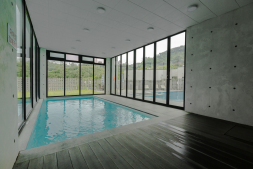
The key challenge in Gapyeong hospitality is that summer is peak season. So you need amenities that work in fall and winter too. We used to have our own sledding slope, but we built over that space during an expansion. (laughs) Moving forward, we're thinking about adding an indoor pool or winter sports offerings—something to fill the gap.
Q The whole facility seems designed for workshops and group bookings. How did that come about?
If a leisure guest enjoys one or two things during their stay, we generate one or two revenue streams. But with workshops, we can bundle four or five: seminars, water sports, lodging, meals. Our size and layout make that possible, so it became a natural focus. At first, we built one large seminar room, like everyone else. But that only accommodates one group. We noticed that most workshops weren't massive—they were mixed: small, medium, and sometimes large. So we realized what we were missing and rebuilt the seminar facilities into small, medium, and large rooms.
Our standalone pool villas also vary by type. The most popular for groups—Master and Luxury villas—have three to four bedrooms. Luxury has one pool per villa; Master has two. These features came directly from guest feedback during check-in, checkout, and throughout their stays. We kept listening and iterating.
Of course, this requires capital, so change isn't easy. But our original owner was hands-on—defining concepts, boldly revising blueprints, and helping us make the most of the land we had. He had the know-how and wasn't afraid to experiment. That's why, even though it's standard now, we were probably the first outside hotels to offer split bathrooms.
Q What's your biggest challenge running River Heim right now?
Driving revenue, honestly. There's so much information available now that new properties launch fully dialed-in from day one. Competition is fierce. We have great facilities, but we used to be the innovators. Now, what we have, others have too. I'm constantly thinking about new ideas—but also about how to match last year's revenue. That's stressful.
The economy plays a role too. Unpredictable crises—like the Sewol ferry disaster or MERS—hit us hard. We sometimes host school trips and youth groups, but during MERS, people avoided crowded places. After Sewol, safety concerns kept families away—even though we're a recreational facility, not a ferry.
Also, Gapyeong used to be the go-to weekend getaway from Seoul. But now, with the Yangyang Expressway and other improvements, we've lost that proximity advantage. Thankfully, a few large properties in the area help keep the local economy active, which benefits everyone.
Q How do you promote River Heim?
We do a little bit of everything. Review events where we randomly select guest blogs, Naver search ads, SNS promotion—the usual. We've also done quite a bit of TV filming, which has been huge. Once you shoot at a location, word spreads and more requests come in. The variety show 'It's Dangerous Beyond the Blankets' was especially impactful. Unlike dramas, where a location might appear for five seconds, this show focused heavily on the space itself. Even I was like, "Wait, is that really our place?" It looked that good.
Staff also play a critical role. They handle reservations, assist with check-in, and listen to complaints at checkout. They shape the guest experience—and whether people come back.
Q How did you discover ONDA, and how's the experience been?
One of our staff was frustrated with our old reservation system and suggested we switch. We looked at several options and landed on ONDA. Honestly, it's been way more convenient than what we used before.
We use the pricing adjustment feature a lot. The rainy season might start early, or something unexpected happens—hospitality is full of variables. Weather, accidents, you name it. You need to adjust pricing in real time and push inventory accordingly. ONDA lets us control rates across multiple channels from one place, which is great. Lately, instead of dropping prices last-minute, we've been using an early-bird approach—rewarding our loyal guests who book ahead, especially during low and peak seasons, to help them get the best deals.
Q Finally, any hidden gems or local restaurants you'd recommend near the property?
The usual Gapyeong highlights: Petite France, Nami Island, The Garden of Morning Calm, and the sledding slope in Yangpyeong. I've been to all of them except Petite France—they're solid for sightseeing and recreation.
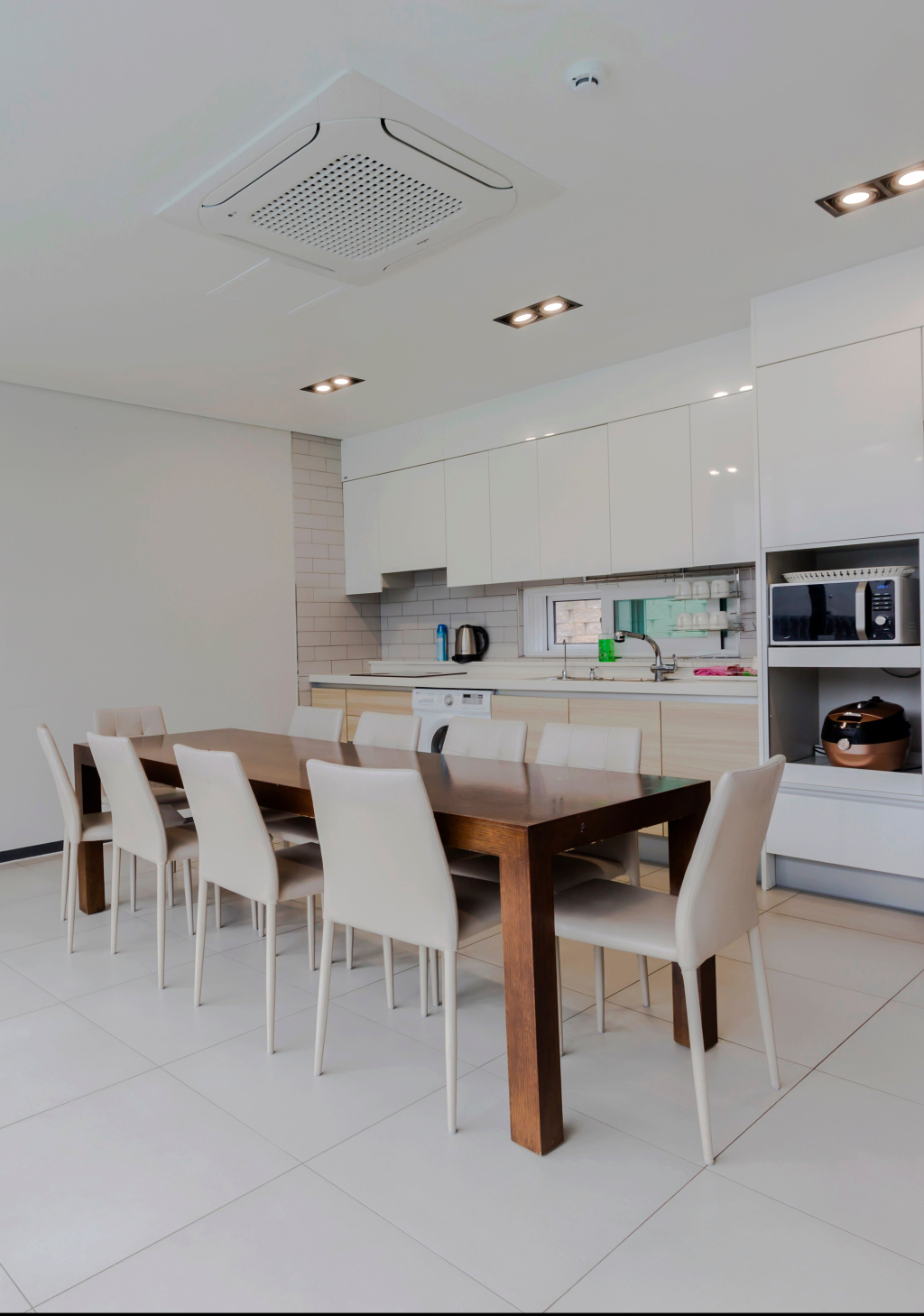
As for food… Nami Island has specialty shops and a restaurant alley, but around here? Not much stands out, honestly. (laughs) Everything's kind of similar—dakgalbi and stuff. We usually eat at our own restaurant or order delivery. Workshop groups typically use our BBQ area and cook on-site.
View full magazine >>
Subscribe to the magazine >>
⚠️ All rights reserved. Cite this piece as 'ONDA (온다)' when quoting.