A Taean pension owner explains how she built a family destination around variety—18 rooms across 5 buildings, plus a maze park and café—to stand out in Korea's crowded pension market.
Property Type: Pension
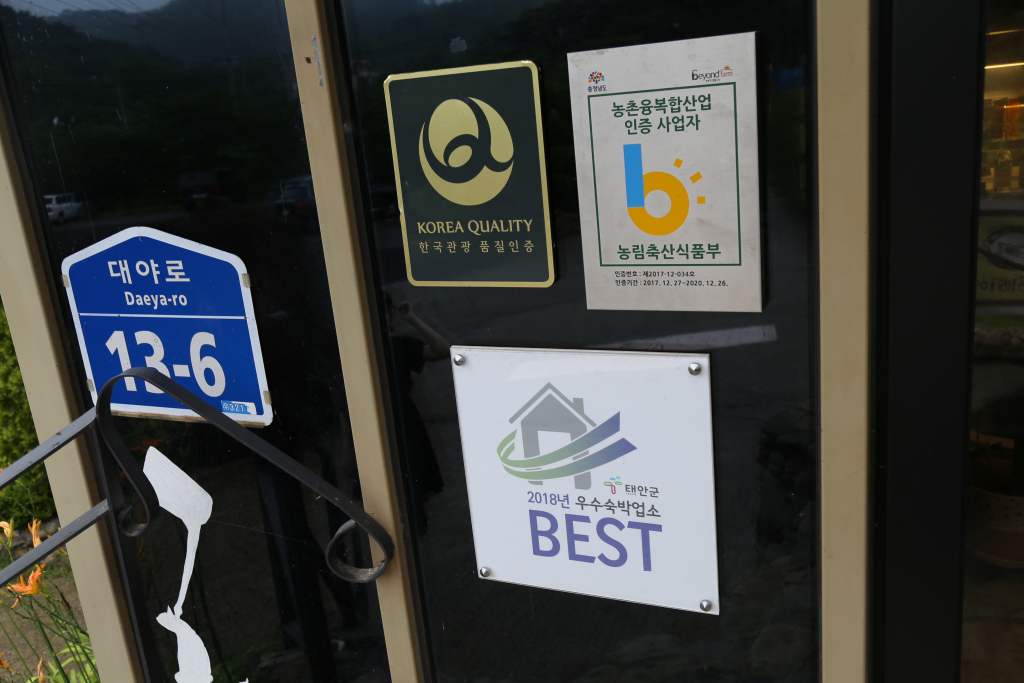
Address: 13-6 Daeya-ro, Gonam-myeon, Taean-gun, Chungcheongnam-do
Room Types: Solbaram (studio/duplex), Ipsaem/Kkotsaem Baram (duplex), Hanui Baram (duplex/separate layout)
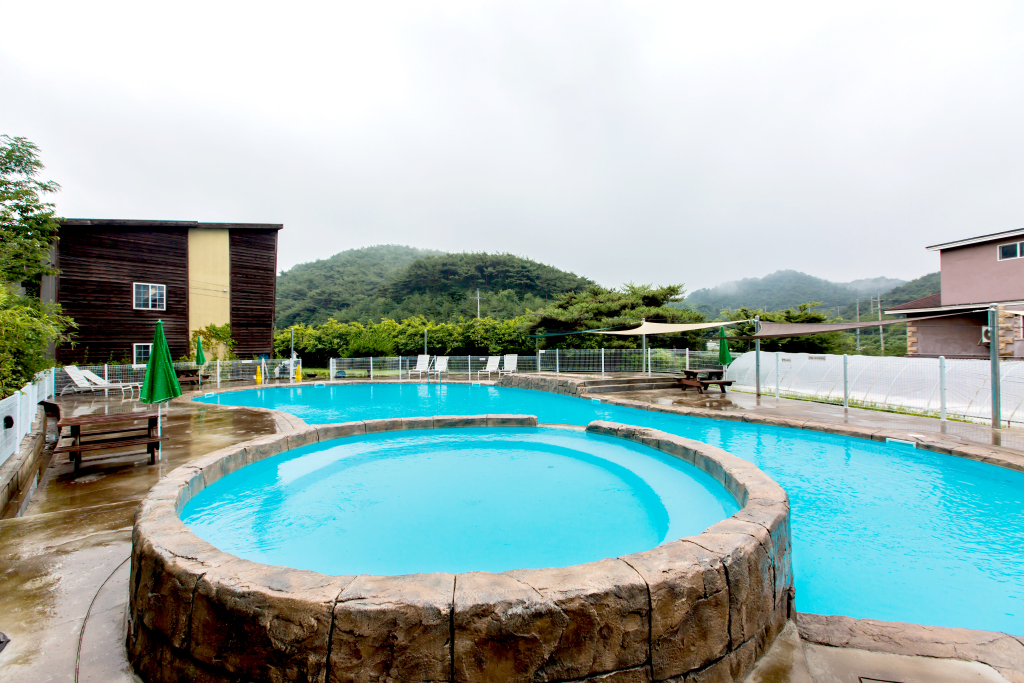
Facilities: Swimming pool, playground, BBQ, Café Namu Arae, boat fishing, platform fishing, tidal flat experiences
Nearby Attractions: Ganwolam Hermitage, Baram Arae Beach, Gonam Shell Mound Museum, Jurassic Museum, Kkotji Beach

Q. Hello! Please introduce yourself and your property.
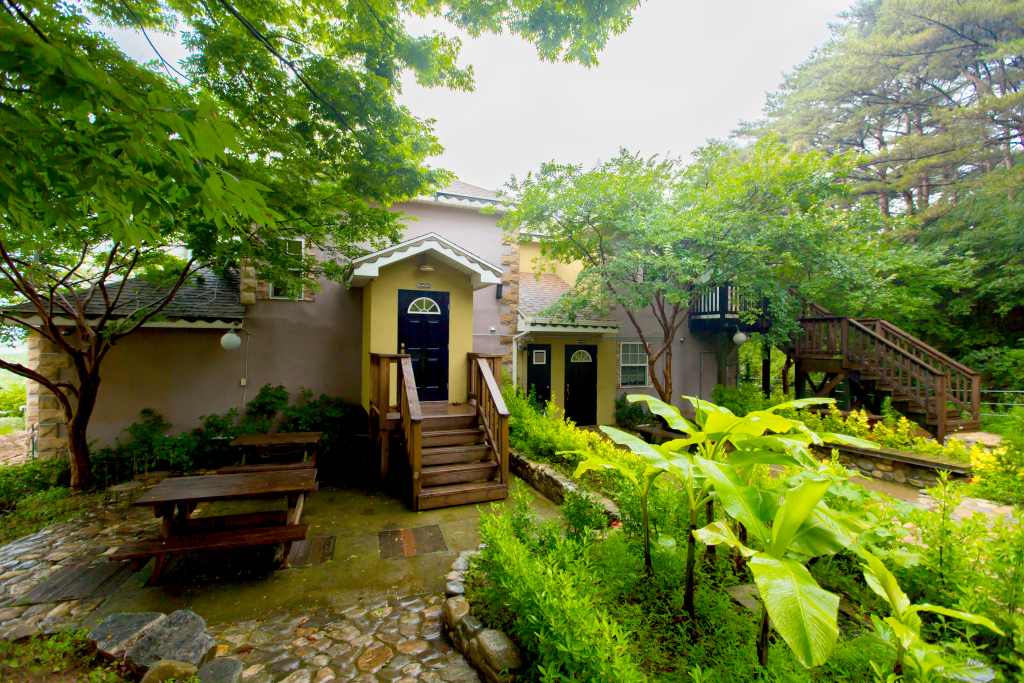
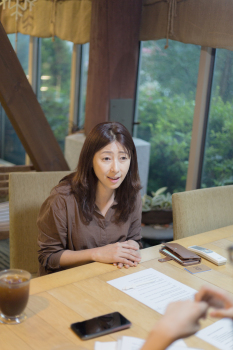
Hello, I'm Han Ji-sook. I moved to Taean in 2003 and started running Baram Arae Tourism Farm. We started with 2 buildings and 5 rooms about 18 years ago. As we grew, we expanded bit by bit — now we have 5 buildings and 18 rooms. Since we didn't build everything at once, each building has a different layout and feel. The spacing between buildings is wide, and guests sometimes ask if it's a different pension altogether. People who've stayed before often want to try a different building next time.
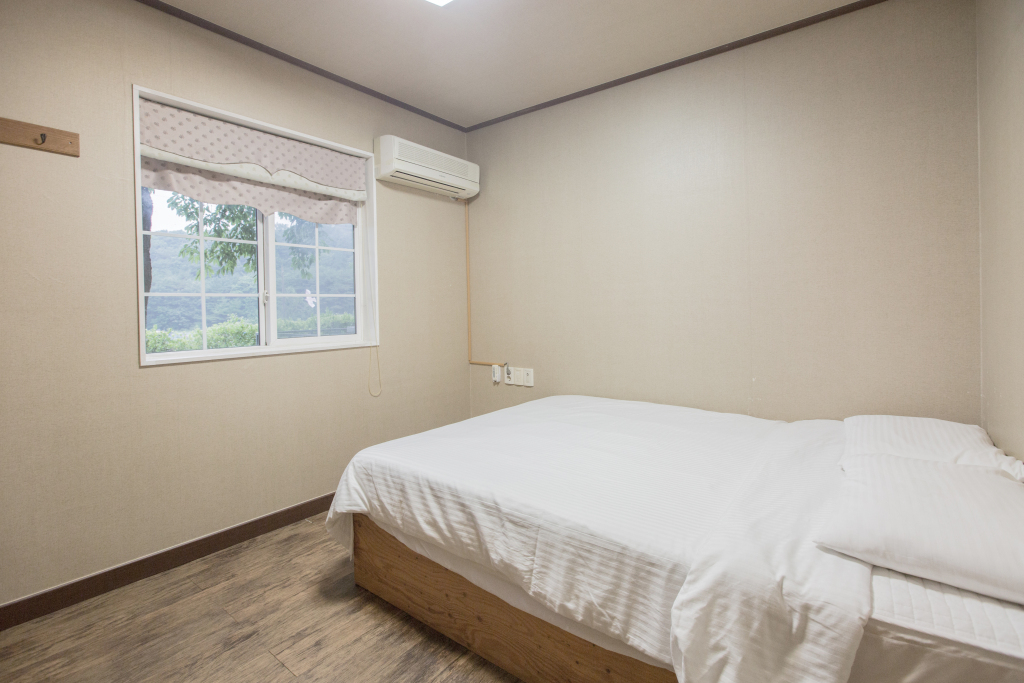
The variety gives guests more options, but it makes cleaning and operations harder. When guests are choosing rooms, they usually go by size. Couples prefer the studio-style room. Families with young kids or elementary-age children like a one-bedroom with a living room. Parents with teenagers or three generations traveling together book two- or even three-bedroom units.
Because we have so many amenities and activities, families with kids aged 5 to elementary school make up about 60–70% of our bookings. That gives us a strong family pension image. The remaining 30% are couples, middle-aged couples, fishing enthusiasts, and visitors coming for the maze park. We get international guests occasionally too. Even though we're far from Seoul, this place has become a kind of Taean landmark that pulls people in.
Q. You run Baram Arae Pension, Anmyeondo Maze Park, and Café Namu Arae together. What made you start all this?
Competition is fierce these days. Anmyeondo has so many pensions you'd trip over them. After running ours for about five years, we realized we couldn't survive on rooms alone. That's when I started thinking about diversification. Our guests wanted more than just a place to sleep — they wanted experiences. So we landed on the maze park first.
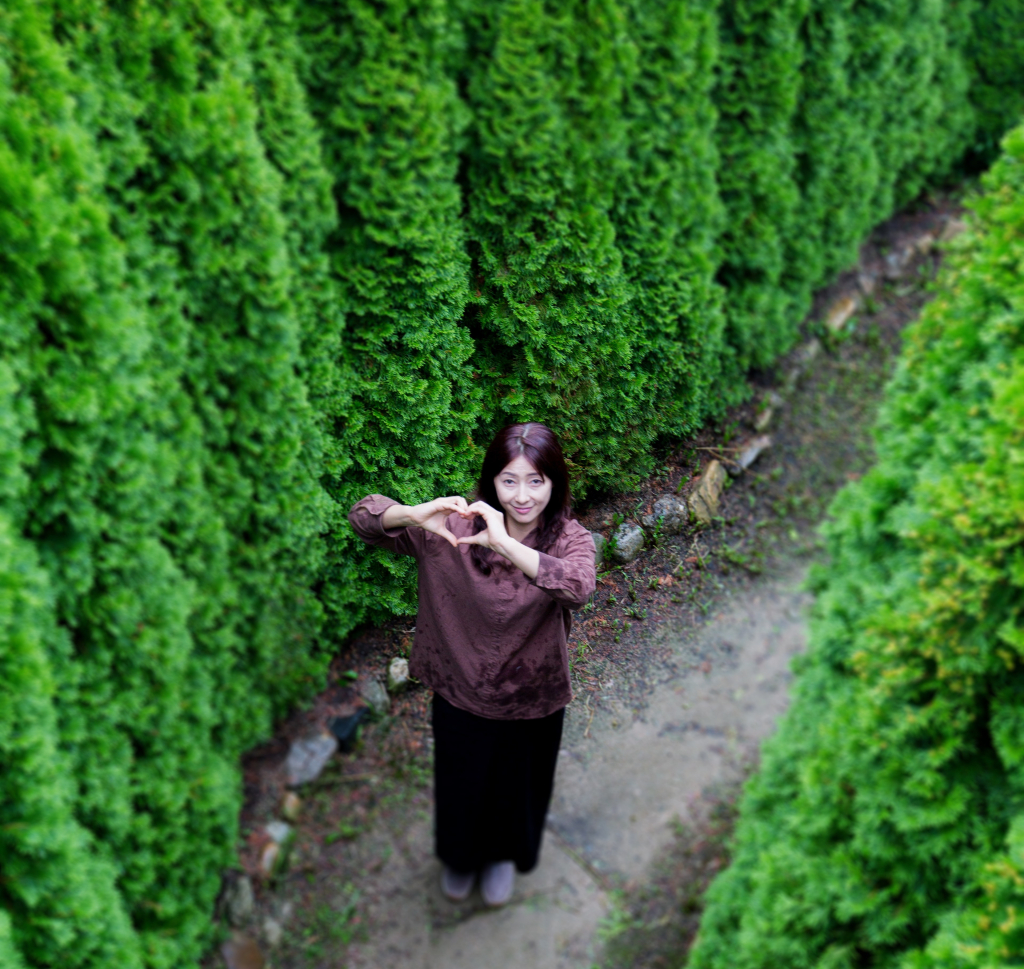
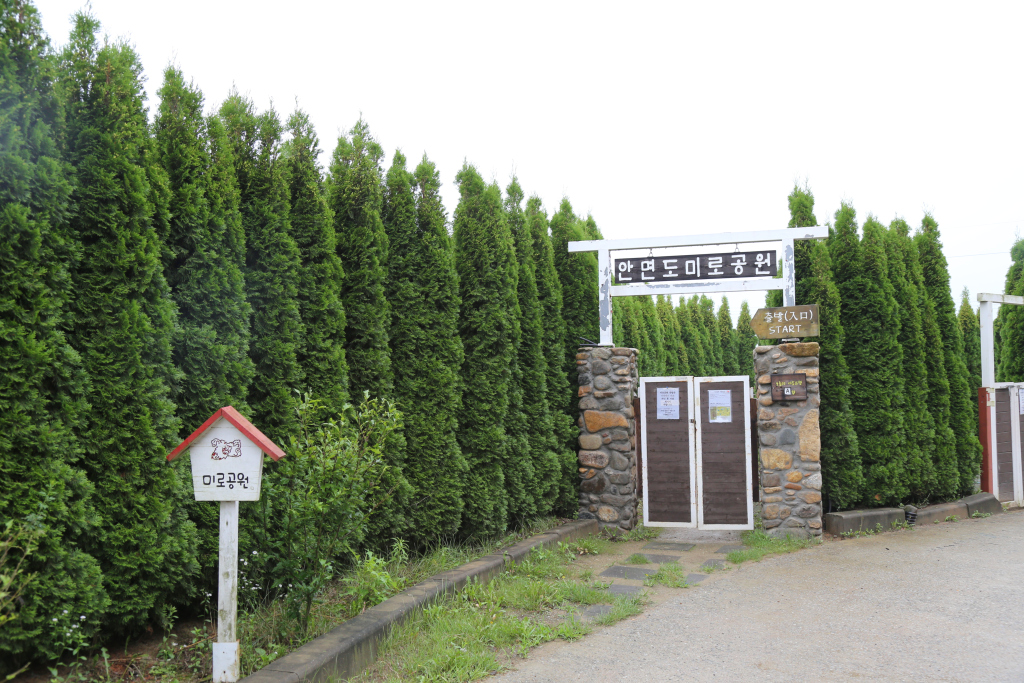
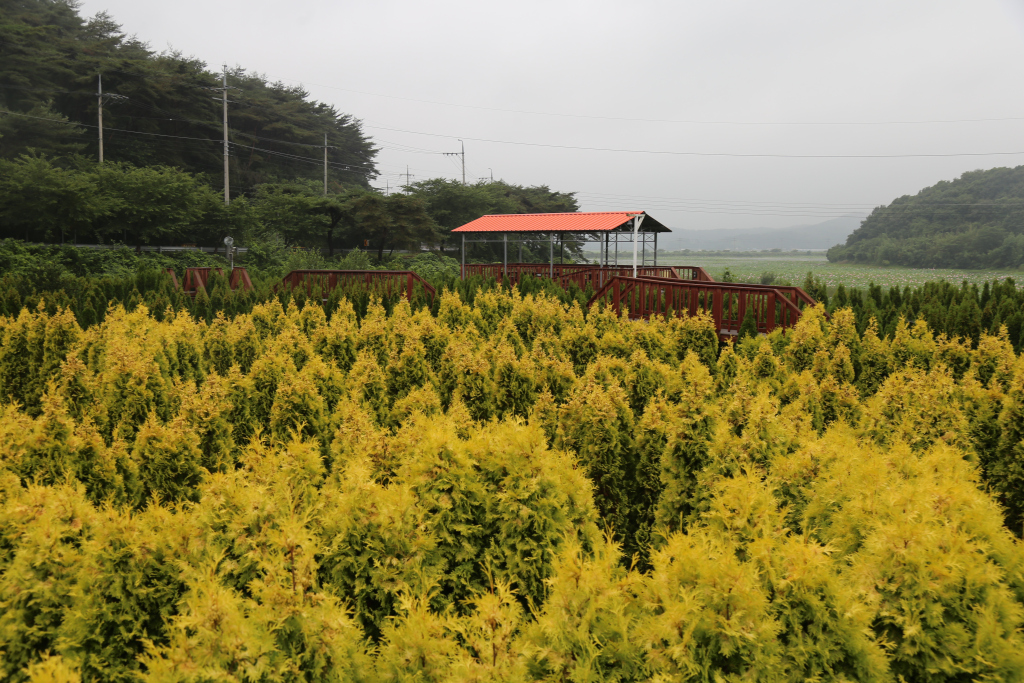
About ten years ago, we had this big plot of land and no idea what to do with it. I took the kids to Gimnyeong Maze Park in Jeju, and they had a blast. So did we. Gimnyeong's maze is about 1,000 pyeong — roughly the same size as our land. I thought, we could do this. It took five years of prep before we even started building the maze. We had to level the ground, design the maze, plant the trees, and let them grow. We finally started selling tickets in 2016. The hedges have to grow together to form solid walls, so you can't just transplant mature trees. The maze is still growing — it's still a work in progress.
Once we had the maze, we realized guests needed a place to rest, so we opened the café. Then local residents noticed the foot traffic and asked if they could sell regional products — Taean sweet potatoes, blueberries from the factory out back. The café evolved from just coffee and pastries into a mini direct-trade market. Now we even help customers arrange delivery or phone orders.
The new building we're constructing next to the park is part of a rural convergence industry initiative funded by the government. It'll be a community café run with local partners. The current café space will become a restaurant. We started small, but we've been building piece by piece.
Q. With the maze, café, swimming pool, lotus observatory, and lawn garden, the property is huge. How do you manage it all?
The pension grounds alone are over 5,000 pyeong, including the maze. For that size, we have very few rooms. I deliberately kept the room count low so guests wouldn't feel cramped or disturbed. I increased room sizes and spaced the buildings far apart. After all these years, I've learned the maintenance tricks — physical work isn't the hard part. The hardest part is dealing with difficult guests. Even after running this place for over a decade, aggressive customers still throw me off.
Recently, a guest got upset because we offer golf carts to transport luggage — you can't drive all the way to the rooms because of the gardens — but we don't carry bags for guests. They demanded we do it, got confrontational, and we had to call the police. This isn't a hotel. Our staff have duties. It was unreasonable and rude. That was the most memorable incident because it was so extreme.
A lot of people expect five-star hotel service from a pension. But pensions are affordable because guests do a bit more themselves — grilling meat, cooking in the kitchenette. Some guests don't understand that, and it gets tough.
Property damage happens, but it's only a few groups. It's manageable. Some guests break glass and hide it with a towel before they leave. What can you do? Every property owner knows — that's the cute stuff. (Laughs)
Q. How do you de-stress?
Until recently, I sang with the Taean National Choir. I majored in music before I moved here — I used to teach piano. This year I'm taking a break because of the new building project, but choir work helped me release a lot of stress and melancholy. The joy of singing in harmony really does wipe out negative feelings.
I also study a lot on my own. Since we're so remote, it's hard to go anywhere, so I've taken online courses and earned a bunch of private certifications. I used to teach, so I enjoy learning. Looking ahead, I want to keep running the pension, but I'm also thinking about launching an educational farm — like the ones you see in Europe. A place that combines lodging, experiences, and education. If I can get certified, that could be a great next chapter.
Q. You offer fishing trips and tidal flat experiences — things you don't see at most pensions.
Running just a pension won't bring in enough guests. But the maze park attracts visitors beyond overnight stays, and that's been great. Admission is ₩5,000 for adults and ₩3,800 for kids. We tried offering free maze entry for guests, but people didn't value it. Human psychology, I guess. So now we charge guests ₩2,000 for adults and ₩1,000 for kids, but they get unlimited re-entry during their stay. Families with kids often book specifically because of that.
As for fishing, my husband's hobby was always fishing. When we moved here, he bought a boat and got all the licenses. We figured, why not turn it into an experience? So we offer boat fishing and platform fishing. For tidal flat tours, we partner with the village — we display discount coupons from nearby operators, and guests who book through us get 20% off.
When guests ask, "What is there to do?" we give them answers right away. They love it. And the experiences drive room bookings — it's a win-win.
Q. You've been on TV a lot. What's the space you're most proud of?
The maze park, hands down. My husband's been on a few shows. Taean doesn't have a ton of tourist attractions, so I think that's why we got noticed. Earlier this year, we were featured in the MBC drama The Item. The aerial shot of the maze looked amazing. I poured my heart into every detail — from planting the trees to the landscaping. The pain was real too. When we first planted, I didn't understand the soil, and we lost 2,000 to 3,000 trees. It was devastating — emotionally and financially. But I learned a lot. (Laughs) We switched to a denser hedge variety, so it turned out to be a blessing in disguise.
I got design advice from Dustin Grella, the American who runs Gimnyeong Maze Park. He introduced me to Adrian Fisher, the British designer who created that maze. We communicated over email — my English was terrible, but my son helped a lot. (Laughs)
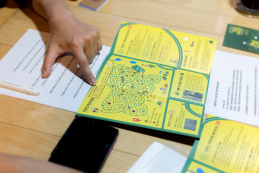
Our maze isn't a joke — it's genuinely difficult. When guests buy tickets, they get a map. The maze covers about 1,000 pyeong and has 12 gates. We rotate the route every two weeks. It's a game where you find the observatory, and once you reach it, anyone can get out. But for people who find mazes boring, we've installed finger maze puzzles at different spots with stamps for a scavenger hunt.
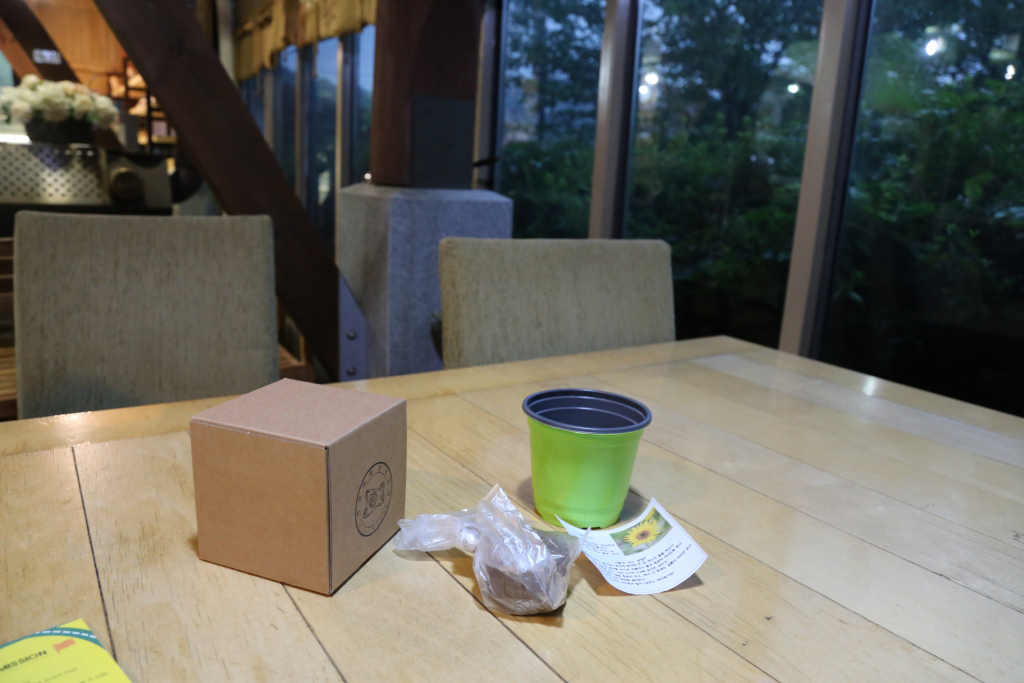
Complete the mission and you get a mini sunflower kit we make ourselves — box, pot, seeds, everything. Guests love it. We source and package all the materials, and our part-timers work hard on it. When guests post photos of their sunflowers blooming on their blogs, it makes me so proud.
Q. You've earned the Korea Quality Tourism certification and the Rural Convergence Industry certification. Tell us about those.
The Korea Quality Tourism certification checks the hardest parts of running a property and gives government backing that you're a quality place. I thought, if we're certified by the government, guests will trust us more. It was tough, but worth it.
Cleanliness is the top criterion. They inspect bedding twice and do random checks. Amenities matter too — you need at least one or two food and beverage options, like a café or breakfast space. It's demanding for operators, but guests love it. If you're serious about hospitality, I'd recommend going for it.
The Rural Convergence Industry certification is for businesses that use rural resources across primary, secondary, and tertiary industries. For example, growing strawberries is primary; selling them or making jam is secondary; selling that jam or offering strawberry-picking is tertiary. If you do all three, that's convergence. You don't need manufacturing — primary and tertiary alone can qualify. We grow trees (primary) and offer maze experiences (tertiary), combined with lodging, so we got certified.
Certification opens doors to government grants, tax breaks, and industry networks. If I were a solo strawberry farmer, I couldn't get my product into big retailers. With this cert, you can. It's a huge advantage.
Q. What does Baram Arae Tourism Farm mean to you?
It's such a cliché, but it really is like a child. After almost 20 years, I got so exhausted dealing with people that I handed operations to staff and traveled abroad with my kids for three years. But I came back. That tells you something. I get frustrated, then I fall in love again. It's like raising a kid — you can't abandon them even when they drive you crazy. (Laughs) Now I've mellowed. I can embrace it all.
My guiding value is this: "We sell happy memories." The happiest moments are when guests come back. Couples who visited as boyfriend and girlfriend return married two or three years later. Then they come back with a baby. Then with growing kids. Watching families create happy memories here makes me happy. If a guest leaves with even one joyful memory, that's the biggest reward.
Q. How did you discover ONDA, and how has it been?
Before ONDA, managing all the sales channels separately was a nightmare. After we got the Korea Quality Tourism cert, the Korea Tourism Organization told me about ONDA. I asked, "What's that?" They said it syncs your real-time booking system with all your distribution channels. I thought, perfect for a lazy person like me. (Laughs)
Missing bookings or double-booking is a huge issue for properties — it's the most critical thing. ONDA Plus drastically cuts that risk. Not everything fits me perfectly, but once you connect your channels, booking calendar, and website to ONDA, you only need to watch one dashboard. Everything else syncs automatically. It's incredibly convenient.
One feature request: I'd love guest history tracking for repeat visitors. If we know someone's coming back, we can do something extra for them.
Q. Finally, any hidden gems or local restaurants you'd recommend near your property?
Since we get a lot of families with young kids, I always recommend the Gonam Shell Mound Museum run by Taean County. It's built on a site where Neolithic shell middens were discovered. Admission is cheap, but they have tons of hands-on activities and exhibits for kids. Now they also have a salt field, so it's not just about shells — they cover salt production too. It's a five-minute drive from us, affordable, and kids love it. Definitely worth a visit.
As for restaurants, most serve seafood and are a bit pricey. Crab soup, raw fish — it's all pretty standard. But Daeseong Sikgwan is reasonable and serves generous portions. Their seafood kalguksu (noodle soup) is the main dish. Guests these days prefer lighter meals over heavy seafood platters. So I'm planning to open a jjamppong (spicy seafood noodle) chain restaurant on-site by October — something casual and easy.
View full magazine edition <<
Subscribe to the magazine <<
⚠️ All rights reserved. Cite this piece as 'ONDA (온다)' when quoting.