Urban Stay The Terrace in Busan combines hotel convenience with apartment flexibility—full kitchens, ocean views, IoT check-in. A new residential accommodation model optimized for both short stays and monthly leases.
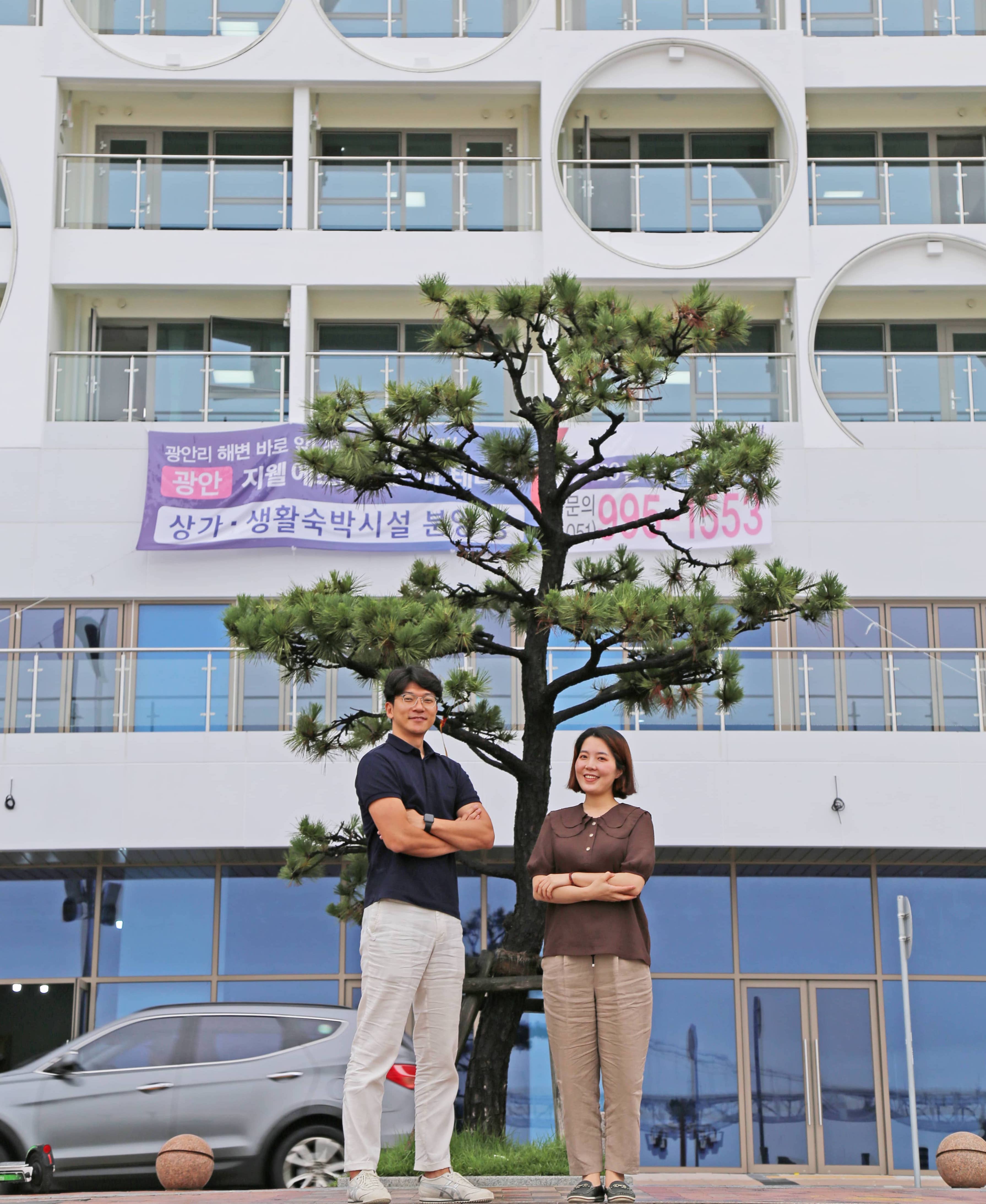
♦︎ Property Type: Residential Accommodation Facility
♦︎ Address: 16 Gwangnam-ro 94beon-gil, Suyeong-gu, Busan
♦︎ Room Types: Panorama Ocean Room, Full Ocean Room, Suite Ocean Room, Essential Ocean Room
♦︎ Amenities: Rooftop, Ocean View
♦︎ Nearby Attractions: Gwangalli Beach, Millak Waterside Park, The Bay 101, Dongbaek Island, Haeundae Beach
Q. Tell us about Urban Stay The Terrace—and yourself.
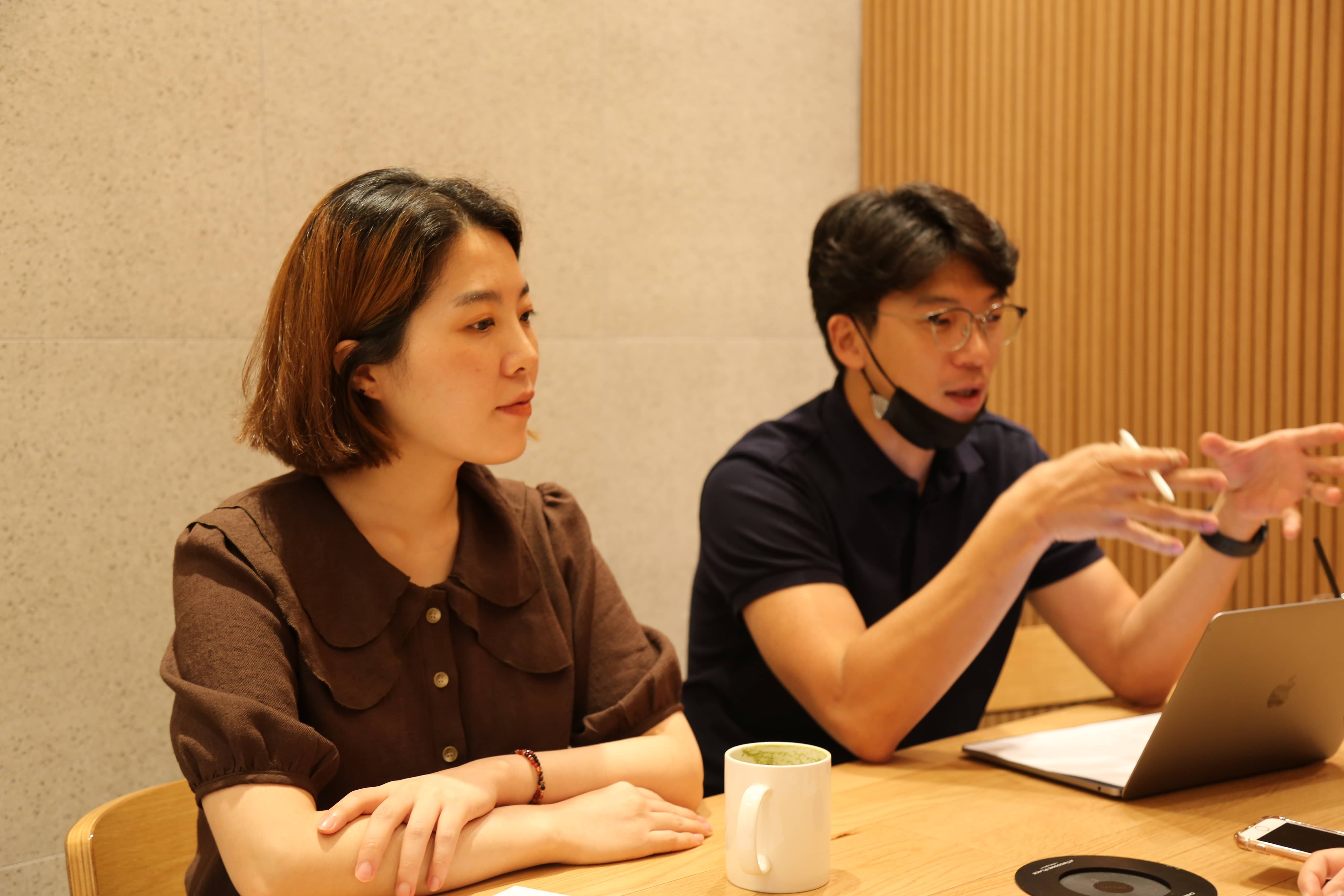
Hyeong-rae) Hi, I'm Noh Hyeong-rae, Head of Accommodation Operations at Handys. Urban Stay The Terrace is our new urban residential accommodation brand—a next-gen residence service built on mobile and IoT.
Yang-hwa) Hey, I'm Son Yang-hwa, Regional Manager for Busan operations at Handys. Nice to meet you.
Q. For those unfamiliar with "residential accommodation facilities"—what's the concept?
Hyeong-rae) Unlike traditional hotels, residential accommodations have full kitchens and underfloor heating. They work for short stays, but they're really optimized for longer-term guests. Hotels swing between high and low season—we can lease rooms monthly during off-peak to keep occupancy steady. So it's both a lodging model and a quasi-residential one, which is a huge plus for property owners. Trade-off: fitting a kitchen and washer/dryer into the same footprint means rooms feel tighter than hotel suites of the same size.
Urban Stay The Terrace reinterprets the hotel-residence format and positions itself closer to an Airbnb-style residence.
Q. Why Busan—and specifically Gwangalli?
Hyeong-rae) COVID-19 killed international travel. But people didn't stop traveling—they just went domestic. Jeju and Busan rose to the top. Gwangalli in particular is an old resort area with aging properties, so there's been a wave of new construction. A lot of it is built for residential accommodation use. The views from our new property—especially from the windows and terrace—are stunning. Guests will leave with great photos and memories.
Beyond Gwangalli and Haeundae, we're also targeting Gangneung (Gyeongpo Beach), Sokcho, and Seogwipo in Jeju.
Q. You're about to open. What did you prioritize during development?
Hyeong-rae) Internally, we call mobile + IoT-driven operations "Residence 2.0." Today's traveler books on their phone, checks in with a smart lock, and texts for support. But most hotels are stuck in the past. COVID accelerated the shift to contactless—so we knew we had to build a next-gen property.
Take landline phones: hardly anyone has them at home anymore, but hotels are still the biggest buyers. We think accommodation should lead residential culture, not lag behind it. You're paying premium rates—you should experience the future. If legacy five-stars are like a Mercedes, Urban Stay is Tesla. Just like Tesla is the future of cars, we want to be the future of hospitality. (laughs)
Q. What makes your rooms special?
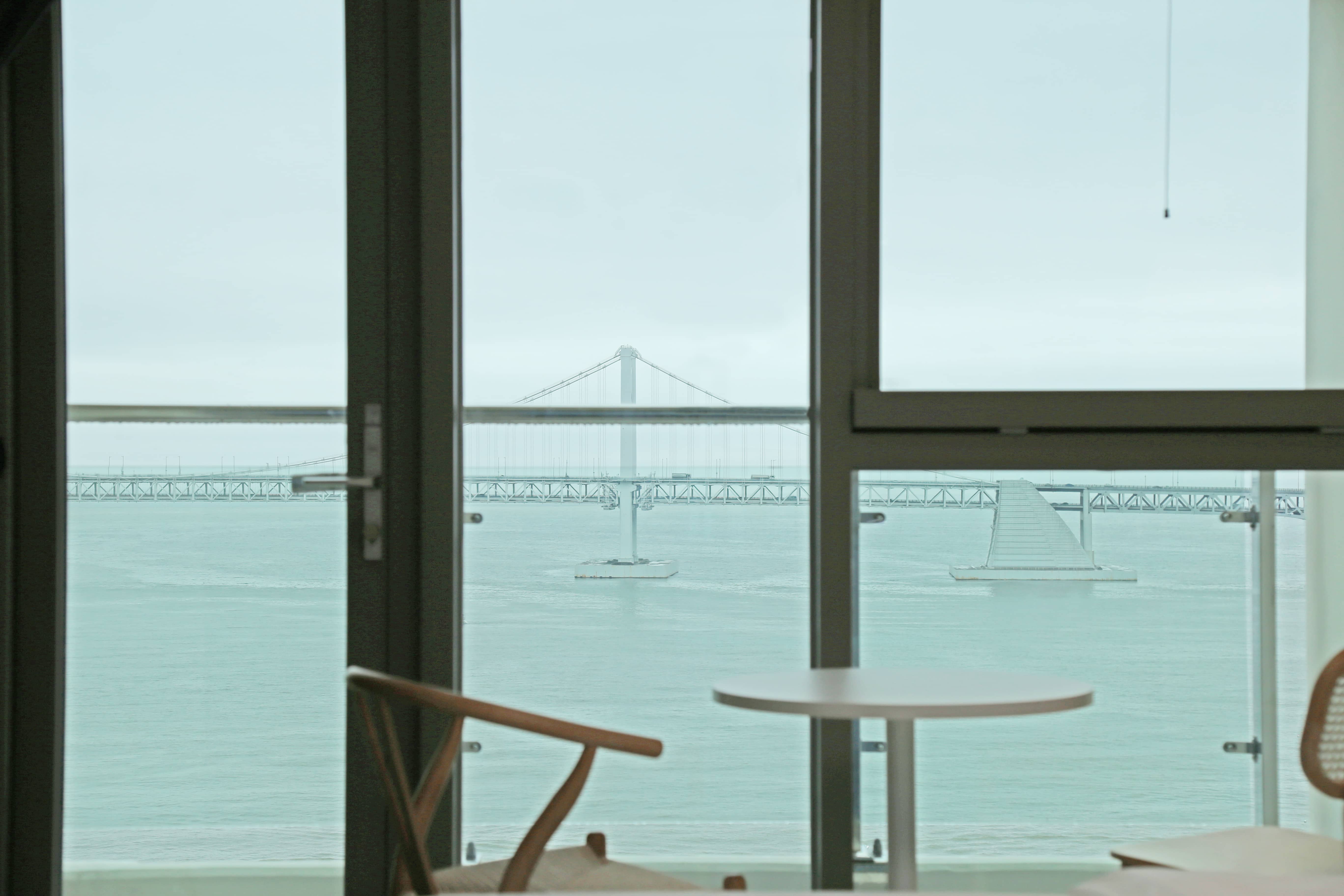
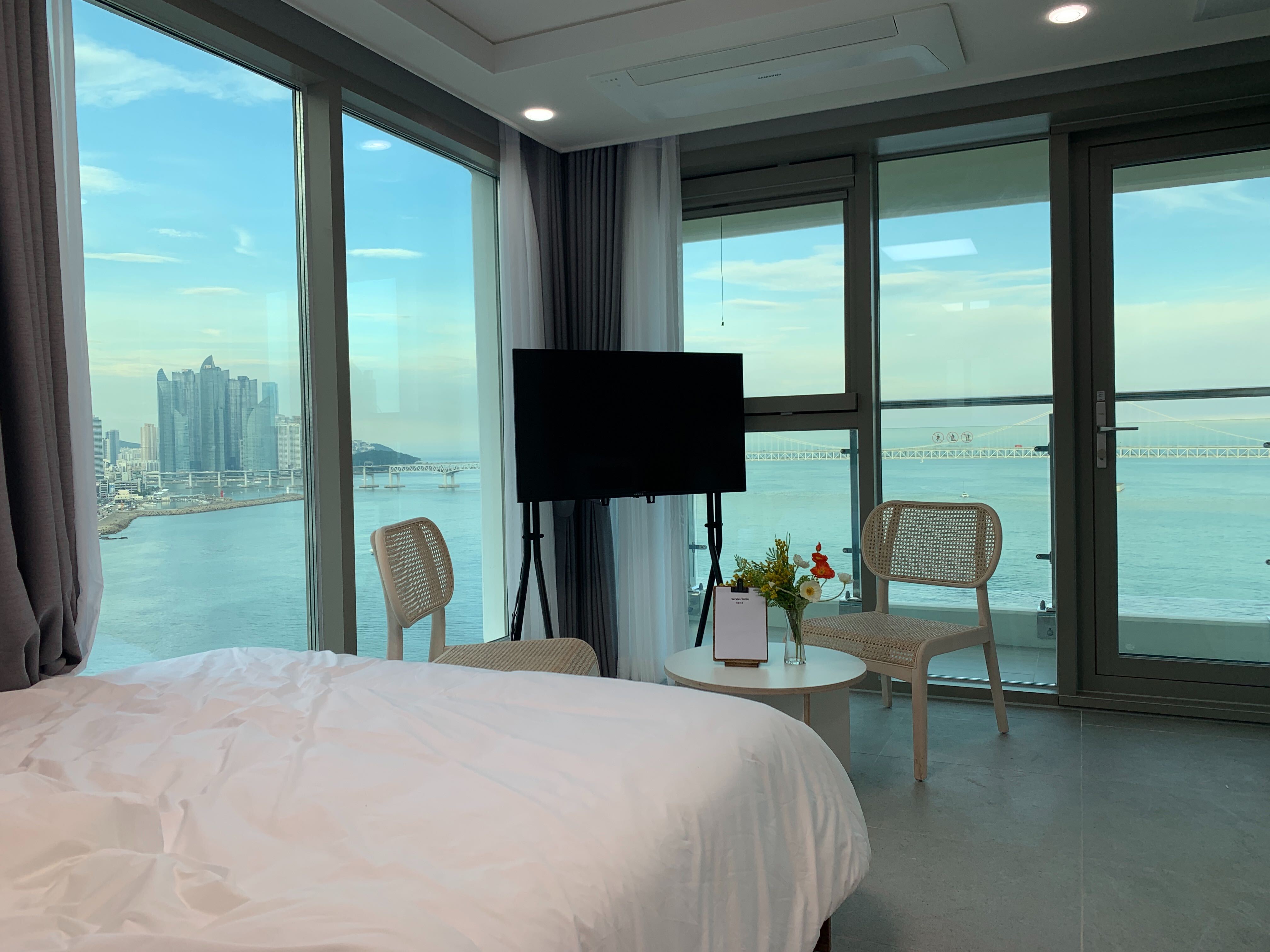
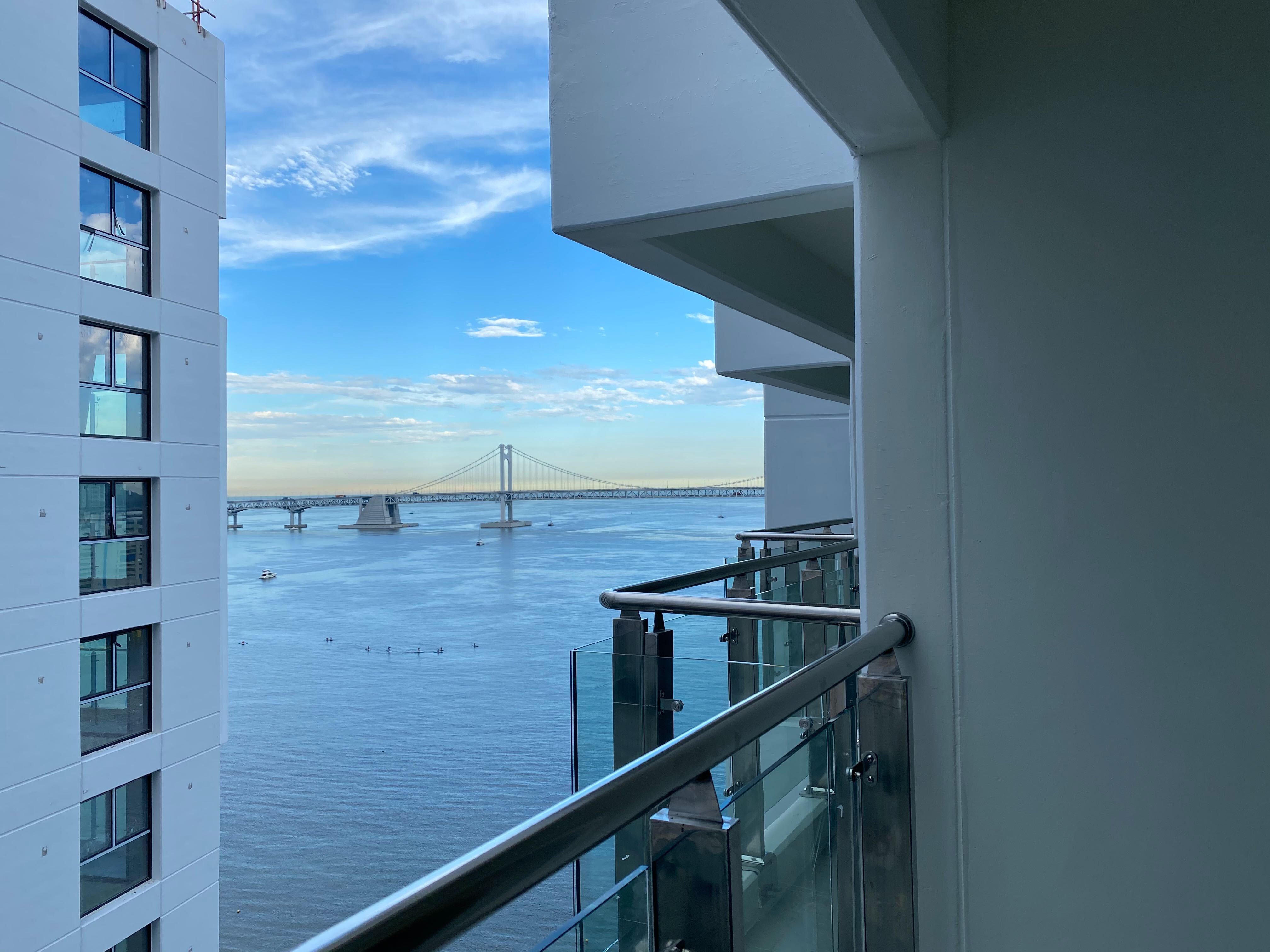
Hyeong-rae) We're not chasing five-star service or offering standalone villas with 1:1 concierge. We optimized for efficiency—and the view. We built four room types around that Gwangdae Bridge panorama: full frontal ocean view, panorama, and side angles.
Inside, we wanted that Airbnb "live here, don't just visit" feeling—even if you're only staying one night. That's what drives repeat bookings.
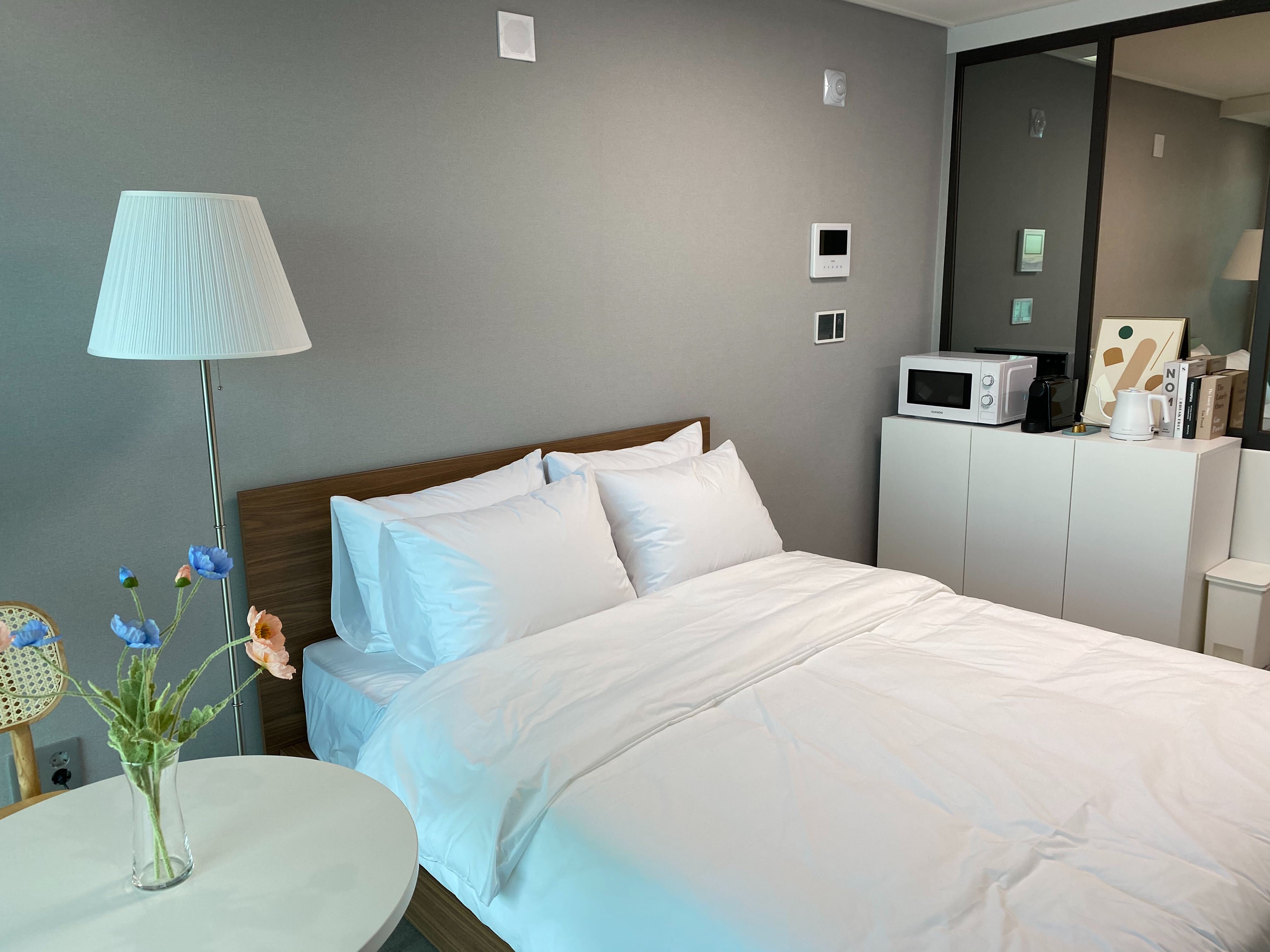
Sleep is king—whether you're staying two nights or two months. Gwangalli is a resort area, so guests go out all day, then come back exhausted. We focused on sleep: premium beds and linens. Function over flash.
We also added IoT sensors. Door opens → AC turns on. Room temp hits a threshold → cooling kicks in. Check in at sunset → ambient lighting fades up. Little automations that feel magical.
And we curated scents for each property. Gwangalli = beachy, mojito, light citrus vibes. Small detail, big impact.
Q. Any standout spaces beyond the rooms?
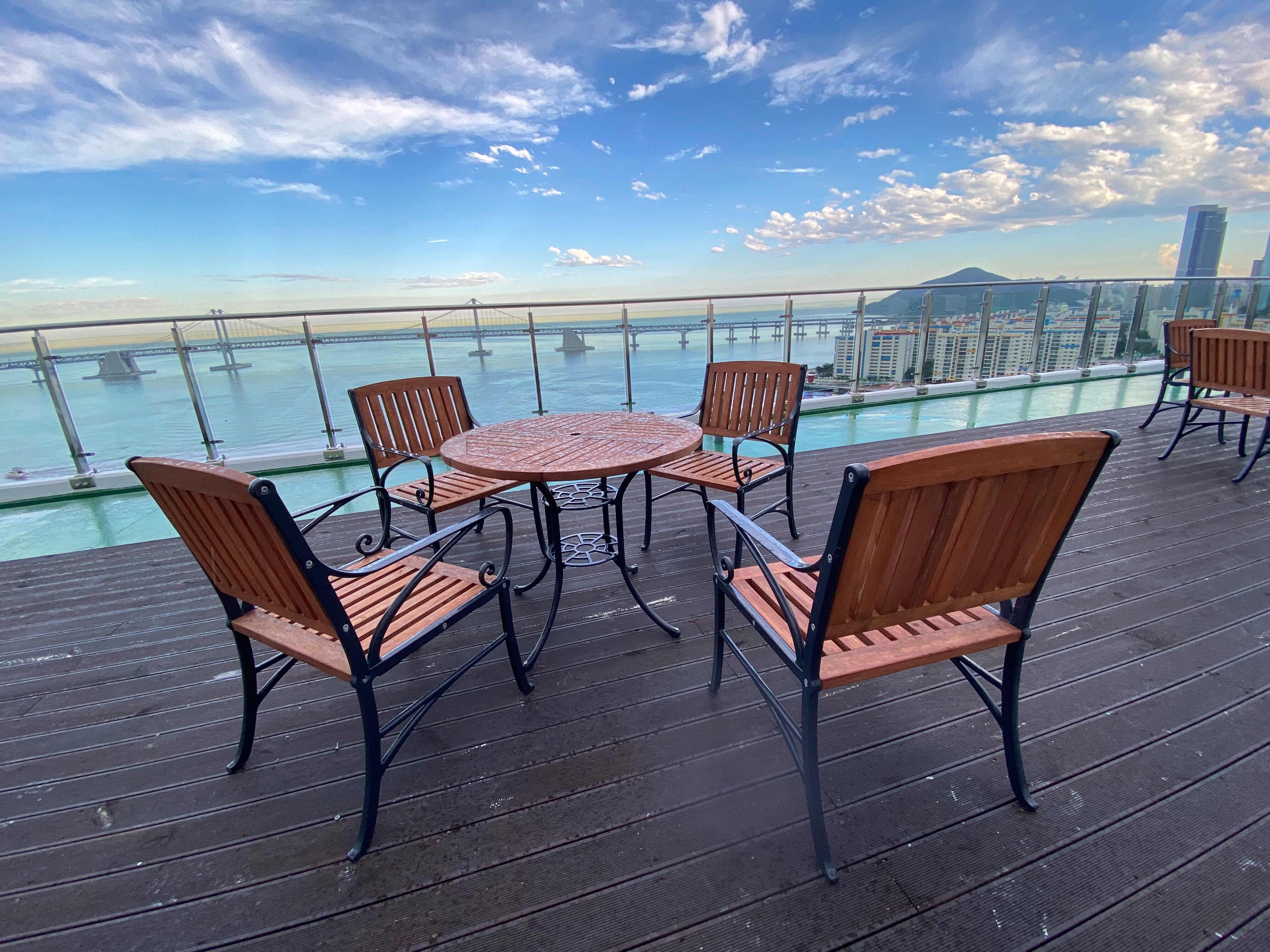
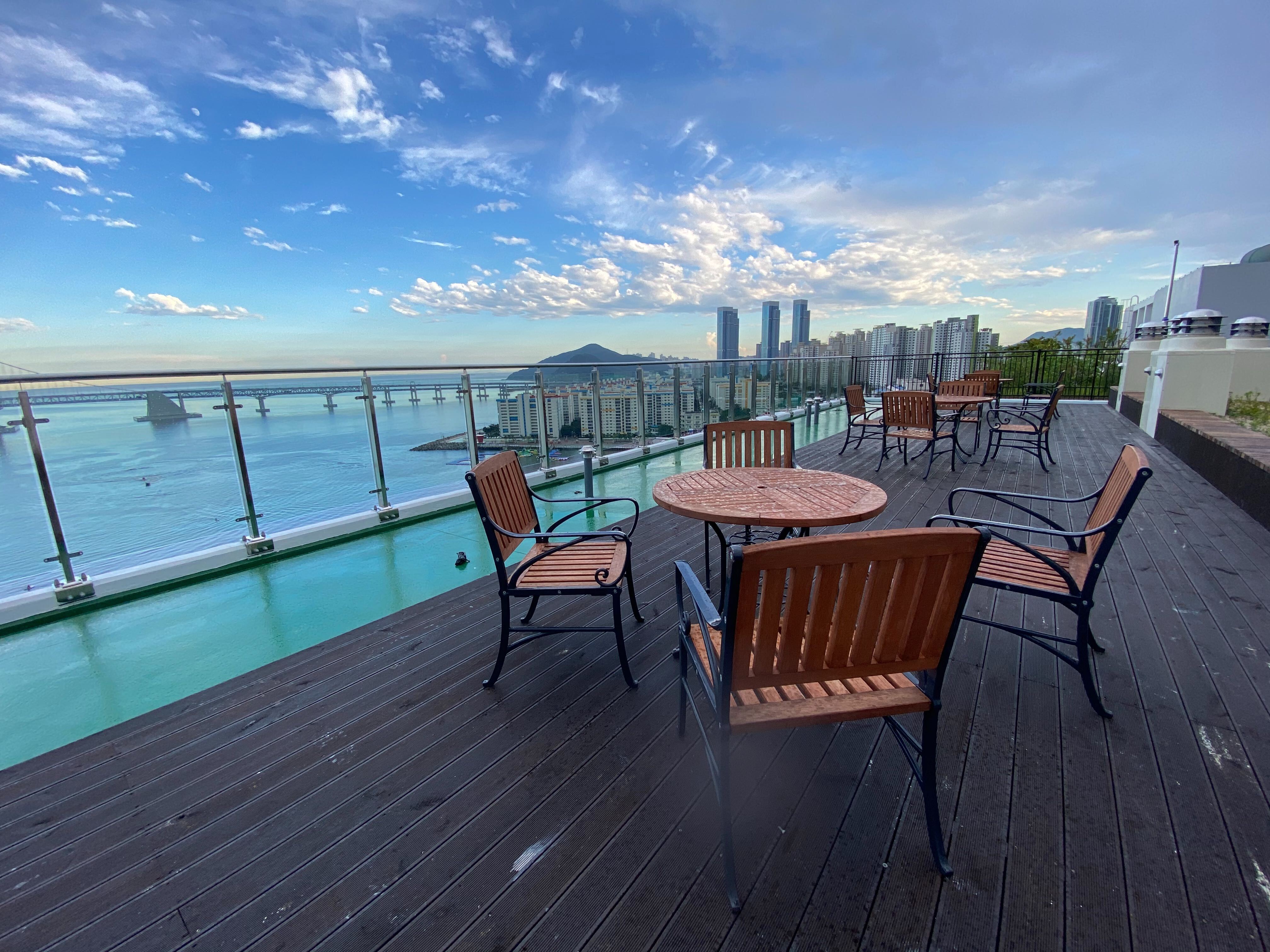
Hyeong-rae) The rooftop. Still under construction, but the view is unreal—probably the most open sightline in Gwangalli. (laughs) We're considering linking it to a café or brunch spot on the ground-floor retail space.
Q. What's the core value you're building toward?
Hyeong-rae) Essential experiences without the bloat. We're not trying to be a full-service five-star. We're stripping out what you don't need, delivering what matters, and passing the savings to guests—so anyone can afford to stay (or live) with us. And we're using proven tech to make that experience seamless.
Q. How did you discover ONDA, and what are you most excited about?
Hyeong-rae) When we launched Urban Stay and moved into hospitality operations, we needed the most efficient property management system. ONDA stood out—not just for sales, but for end-to-end management. We still count on them for that simplicity. (laughs)
Their GDS (booking channel integration) is perfect for operators like us who are just starting out. One contract → distribution across all major Korean OTAs. That's exactly what we needed.
Q. What's the dream for Urban Stay The Terrace?
Hyeong-rae) Like I said—we want to be the Tesla of hospitality. (laughs) We want people to think, "I could live here," and actually try it. Stay for a night, stay for a month—whatever fits your life. Long-term, we'd love to partner with similar startups abroad and share inventory. Sleep in Paris yesterday, New York today, back in Seoul with family tomorrow. A new kind of living + travel system.
Yang-hwa) Locally, I want to weave Busan's culture into the experience. Localism is having a moment, right? (laughs) Morning jog at Gwangalli, paddleboarding in the afternoon, craft beer by sunset—we could curate full itineraries that help guests "live Busan," not just visit.