How to attract international travelers?
An 18-Year MICE Veteran's Take on Hotels & Travel
08. 2023 Travel Industry Outlook and Trends
Writer: Shin Sung-chul, CEO, Moment Studio
Editor: ONDA Manager Lee Chae-eun
Until 2019, travel was something we could do on a whim. Outbound travel (Koreans going abroad) hit all-time highs every month — 28.71 million trips that year. Inbound travel (foreigners coming to Korea) also peaked at 17.5 million, riding a steep upward curve. (Source: Korea Tourism Data Lab)
Proof was everywhere. New flight routes launched weekly. New destinations opened. Tourism was booming.
Then in January 2020, COVID-19 hit. By March, passenger traffic was down 98.5%. For three years, global tourism essentially disappeared.
Now, as we close in on endemic status, it's time to prep for the next step of the with-corona era.
1. The 2023 Travel & Tourism Keyword: 'Returning'
'Returning' is the word that defines 2023 tourism. The industry's coming back. So are the travelers. October 2022 data shows outbound travel growing faster than any time since COVID, hitting post-pandemic highs. Inbound numbers are steadily climbing too — the recovery is real.
Stats aside, you can feel the shift. Scroll through Instagram or YouTube — where you used to see throwback pre-COVID trips or sporadic pandemic travel, now you see people actively traveling right now.
2. Everyone's Going Back to the Old Spots
Where are Koreans going? Where are international visitors heading?
Korean travelers are flocking to Japan and Southeast Asia. Routes haven't fully recovered yet, but Japan's visa waiver (reinstated October 11) has triggered a surge — especially to Tokyo, Osaka, and Fukuoka.
It's not just FIT (free independent travelers) either. According to Interpark, November package tour bookings jumped 353% year-over-year. Vietnam, Japan, Thailand — the traditional favorites — are leading. Japan packages specifically exploded: up 33,114% month-over-month.
China, which held strict lockdown policies for three years, is scrapping mandatory quarantine and normalizing outbound travel starting January 8. Expect a massive influx of Chinese travelers in 2023.
But long-haul destinations like Europe and the U.S.? Still dampened by high exchange rates. Until interest rates stabilize and the KRW strengthens, demand for those trips will lag.
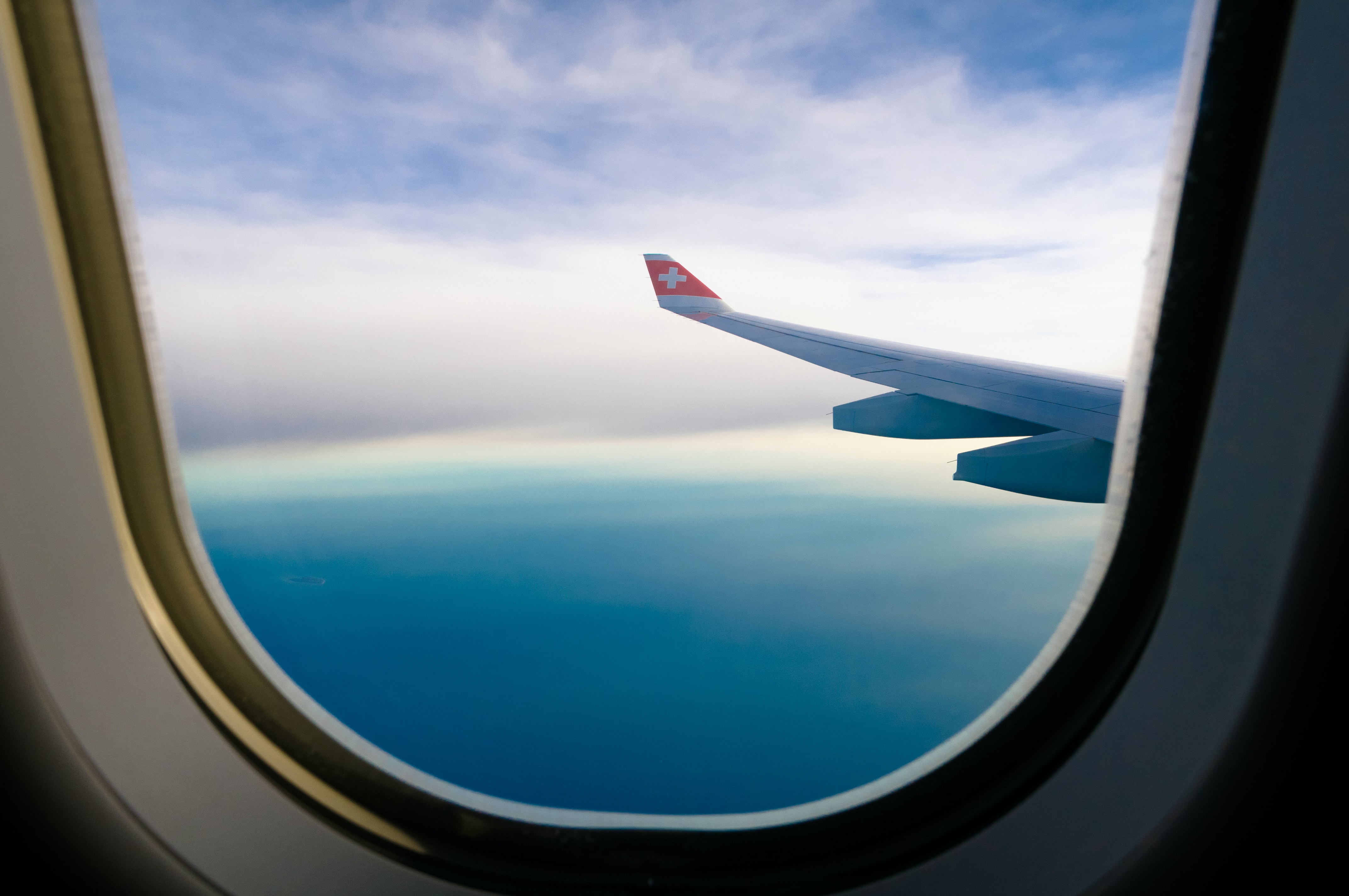
As outbound travel heats up, domestic travel by Koreans will inevitably cool. That means hotels need to pivot: attract international visitors instead.
According to Klook's October inbound travel trends, the top Korean destinations for foreign travelers are: Seoul (1st), Gyeonggi-do, Gangwon-do, Busan, and Jeju. Even factoring in Klook's activity-focused platform, the pattern holds — these are the regions foreigners want.
3. Layer on the 'Hospitality'
So how do hotels and accommodations attract international guests?
By offering 'hospitality' — not just friendly service, but structural friendliness.
Outside of Seoul, Gyeonggi, major metro areas, and Jeju, English signage is scarce. Storefronts are labeled only in Korean. Foreigners can't tell a restaurant from a retail shop. Compared to other countries, Korea isn't exactly traveler-friendly.

I once heard French broadcaster Fabien share a story: his uncle visited Seoul, got separated from the family while walking Hanyangdoseong Trail, and spent two hours wandering hungry because he couldn't identify a restaurant. That hit hard.
In the U.S. or Southeast Asia, you don't starve looking for food. But in Korea, unless it's a franchise, English (or any foreign language) signage is rare. Hotels face the same issue.
Even if international guests successfully book and arrive, without the right systems in place, convenience — and repeat bookings — will suffer.
To be truly hospitable, offer multilingual guidance in English, Japanese, and Chinese (reflecting Korea's top visitor countries). Stock property guides in these languages. Include info on nearby attractions and amenities. Small touches = big experience upgrades.
What It Really Takes: Effort Toward Better Traveler Experiences
Beyond multilingual guides, think about the friction you've felt traveling abroad — and design it out.
Last summer, I stayed at a property that served soup and stew for breakfast — very Korean. I loved it. But if I were a foreign guest with only that option? Probably not as thrilled. No choice = subpar experience.

I remember the pre-COVID variety show Youn's Stay (set in Spain) — at check-in, they'd ask guests to choose dinner and breakfast options. It introduced Korean food naturally, without forcing it. Guests picked what they wanted. No friction.
The Korean government recently declared 2023 and 2024 the 'Visit Korea Years,' aiming for 30 million visitors by 2027 with K-culture-linked tourism products. Hotels that put in the effort to deliver better guest experiences will grow right alongside the industry.
Wrapping Up This Series
Some of you thrived during COVID. Some struggled. Either way — you made it through an endless tunnel, and I applaud that. As we reopen, I hope you scale even bigger. And I hope the insights shared throughout this series helped, even a little. Thank you for reading.

📖 Series Index
01. How Do You Define Your Property?
02. COVID-19's Impact on Travel Trends
03. Endemic Era: From Cost-Efficiency to Emotional Value
04. Boosting Hotel Revenue with MICE Programs
05. MICE Trends in the Post-COVID Era
06. Why Your Property Needs Its Own Content
07. 3 Factors Hotels Must Consider to Win MICE Business
08. 2023 Travel Industry Outlook and Trends