"AI won't replace humans — but humans with AI will replace humans without AI"
"AI won't replace humans — but humans with AI will replace humans without AI" (Source: Harvard Business Review)
Since ChatGPT's arrival, generative AI has been reshaping nearly every industry.
Hotels are no exception. The ability of AI to analyze massive datasets, forecast demand, and make intelligent decisions is fundamentally changing how hotels operate.
How far has AI progressed in hospitality?
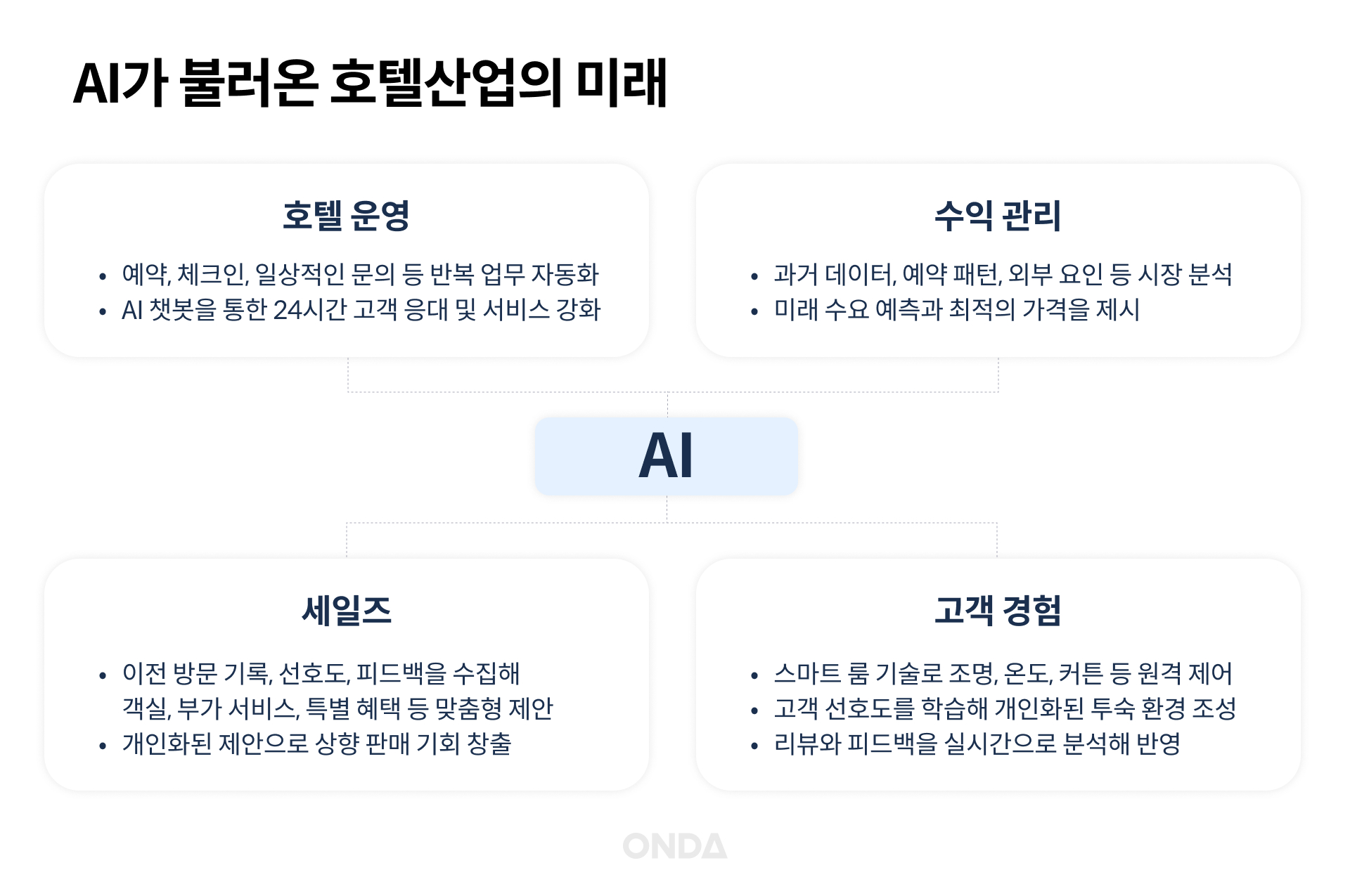
AI is already driving innovation across hotel operations — revenue management, sales, marketing, and guest experience.
When you think of AI in hotels, chatbots probably come to mind first. You've likely encountered them yourself: major hotel chains, OTAs, and airlines have already deployed AI-powered chatbots to enhance customer service.
These bots handle guest requests 24/7, processing everything from reservations to check-in, check-out, and facility inquiries. While English-language support is most mature, natural language processing has recently improved multilingual capabilities dramatically. It won't be long before truly capable Korean-language hotel chatbots emerge.
In the process, they automate repetitive tasks — booking changes, routine questions — making hotel operations far more efficient. This frees hoteliers to focus on what matters most in hospitality: delivering better guest experiences.
AI excels at analyzing and predicting from vast datasets. It's changing the game in revenue management and sales strategy.
AI-powered revenue management systems analyze historical data, booking patterns, local events, and competitive dynamics to forecast future demand and optimize pricing. The result: higher occupancy and maximized revenue.
AI also enables personalized service at scale by analyzing guest data. It automatically collects past stay records, preferences, and feedback, then uses this intelligence to suggest the right room, add-ons, or special perks.
This goes beyond traditional upselling of room types or views — it creates upsell opportunities based on actual guest preferences and purchasing behavior. The payoff is higher satisfaction and repeat visits.
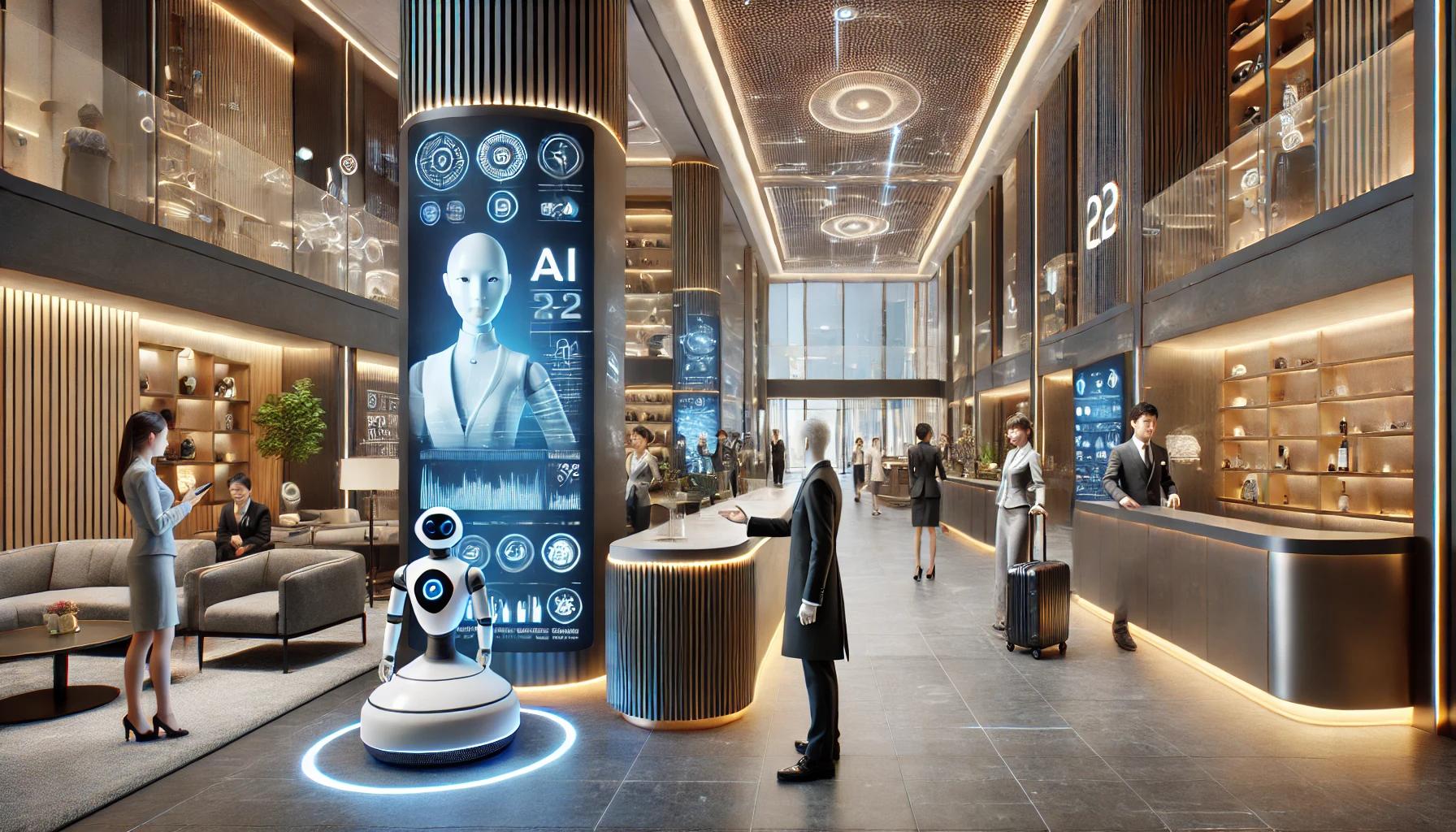
AI is also transforming the guest experience itself.
Smart room technology powered by AI assistants is becoming mainstream. Through AI speakers, guests can remotely control in-room lighting, temperature, and curtains, while hotels respond to requests in real time.
Going further, AI automatically saves preference profiles — temperature, lighting, entertainment settings — to create a fully personalized environment on the next stay. This is especially powerful for loyal guests and long-stay visitors.
Meanwhile, AI analyzes guest occupancy patterns, weather conditions, and room usage data to automatically adjust heating, cooling, lighting, and power, optimizing energy efficiency and cutting waste.
AI also analyzes customer reviews and feedback in real time across multiple platforms. This lets hotels quickly identify pain points and respond immediately, feeding improvements back into service delivery and boosting satisfaction.
Internet. Mobile. Now AI.
According to GlobalData's AI report, the AI market in travel and tourism is projected to skyrocket from $81.3 billion in 2022 to $909 billion by 2030 — more than a tenfold increase.
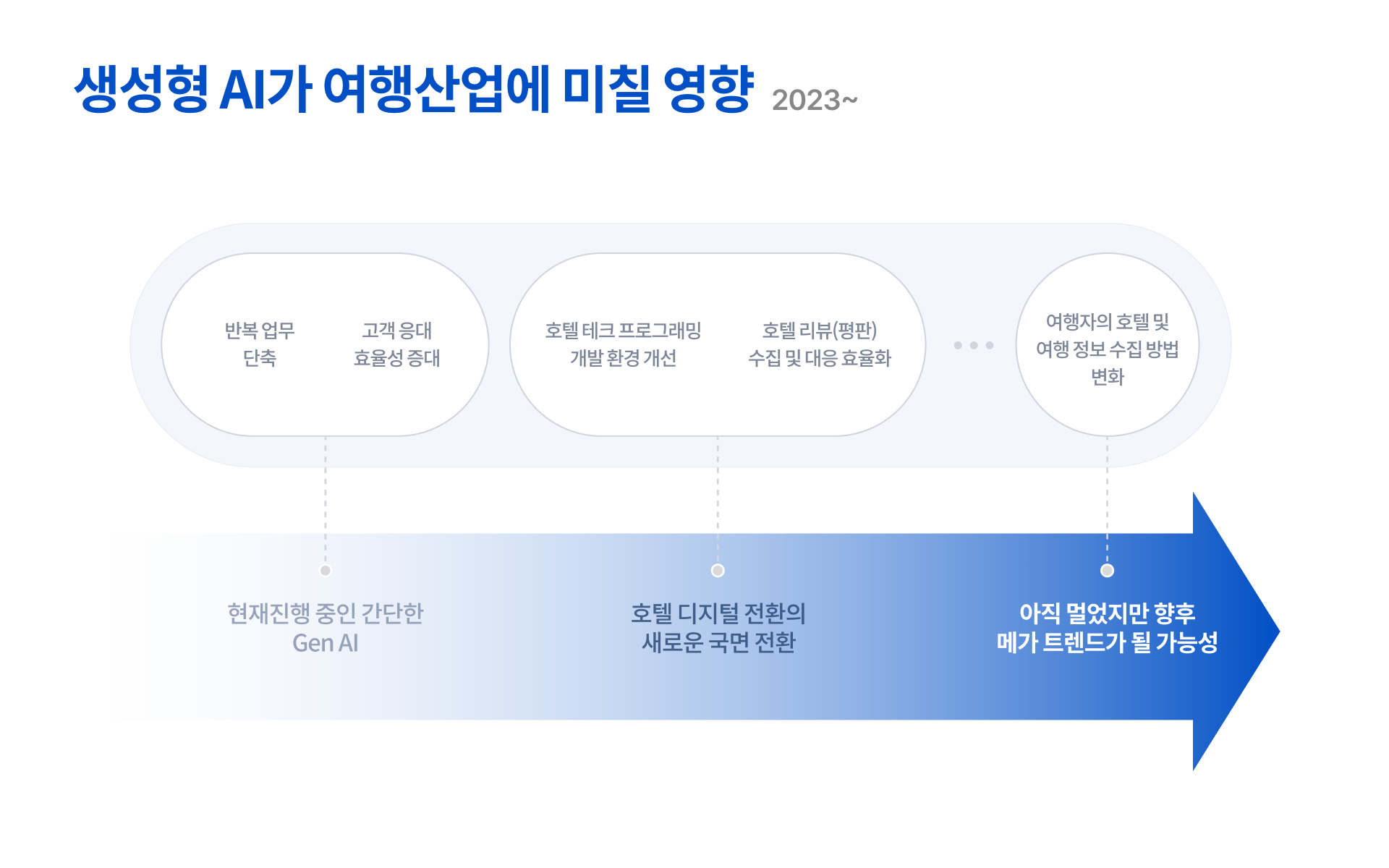
The AI applications we covered today are already commercialized. And AI will expand into even more areas of hospitality going forward.
Harvard Business School professor Karim Lakhani put it this way:
"AI won't replace humans — but humans with AI will replace humans without AI"
Just as the internet and mobile ushered in unimaginable innovation, hospitality is now entering the age of AI.
⚠️ All rights reserved. Cite this piece as 'ONDA (온다)' when quoting.