Korea's two-tier VAT system treats small and large hospitality businesses very differently. Here's what general vs. simplified taxpayer status actually means for your filings and refunds.
Column: Tax Journey with Yesong
02. Value-Added Tax: How It Works and Who Pays What
Writer Song Yong-gwon, CPA, Yesong Tax & Accounting
Editor Lee Chae-eun, Manager, ONDA
At Yesong Tax & Accounting, our team of young CPAs provides specialized tax services to business owners across a wide range of industries. We've built a system where you can consult directly with a CPA without hesitation — whether it's about tax matters or broader business strategy.
I see too many business owners paying taxes they shouldn't have to, simply because they lack the right information. My hope with this series is to prevent that from happening to hospitality operators. If these columns on ONDA help even a little, that's a win.
KakaoTalk Channel: http://pf.kakao.com/_udxcPT/chat
Hi, Yesong Tax & Accounting here. Last time, we covered the major taxes you'll face over a year of running a hospitality business. Today, let's zoom in on value-added tax (VAT) — especially timely since July is when you file your final VAT return and settle up.
1. What Is VAT?
VAT is the tax charged when a business supplies goods or services (or when goods are imported).
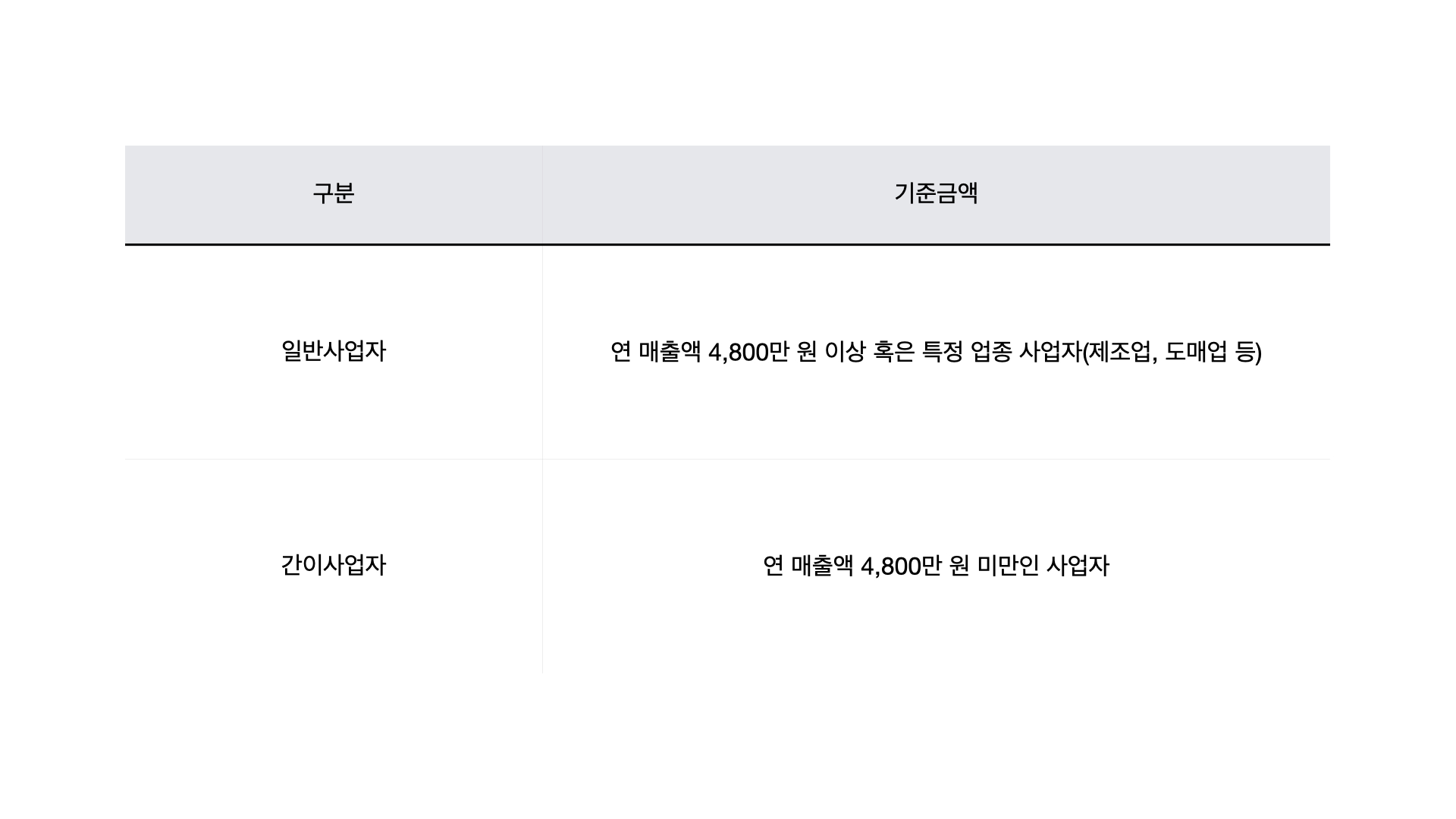
Businesses are classified into two VAT categories based on annual revenue — general taxpayers and simplified taxpayers, with the dividing line at ₩48 million in annual sales. If you don't qualify as a simplified taxpayer, you're a general taxpayer by default.
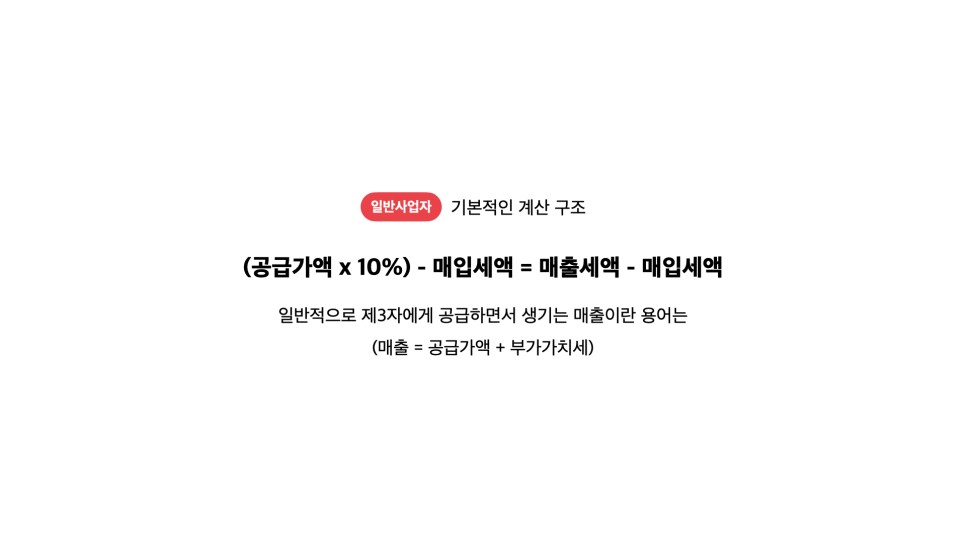
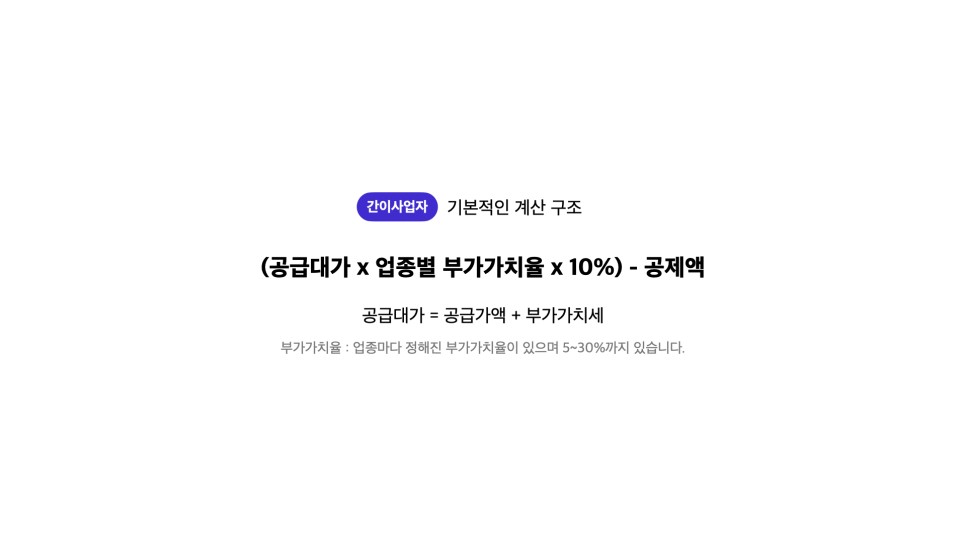
General taxpayers pay VAT at 10% of sales, minus the VAT they paid on purchases (input VAT). Simplified taxpayers typically face an effective rate of 1–3%, depending on their industry.
2. VAT Refunds?
After reading that, you might think: "I'll definitely go simplified taxpayer — lower tax burden!" But here's the catch: simplified taxpayers cannot get VAT refunds. If your purchases exceed your sales, you won't get money back.
This becomes a real issue for capital-intensive startups. If you sink a lot into upfront investment but register as a simplified taxpayer, you'll miss out on refunds you could have claimed. So think carefully: consider your initial investment, projected monthly revenue, and whether you expect to be in refund territory early on. When in doubt, consult a CPA.
For hospitality operators using their own property, I generally recommend starting as a simplified taxpayer. But circumstances vary — if you're unsure, get professional advice.
3. Filing and Payment Periods for General Taxpayers
General taxpayers file and pay VAT twice a year in final returns: once for January–June, once for July–December. However, corporations must also file preliminary returns every quarter (essentially a mid-period check-in for the tax office). So corporations file four times a year.
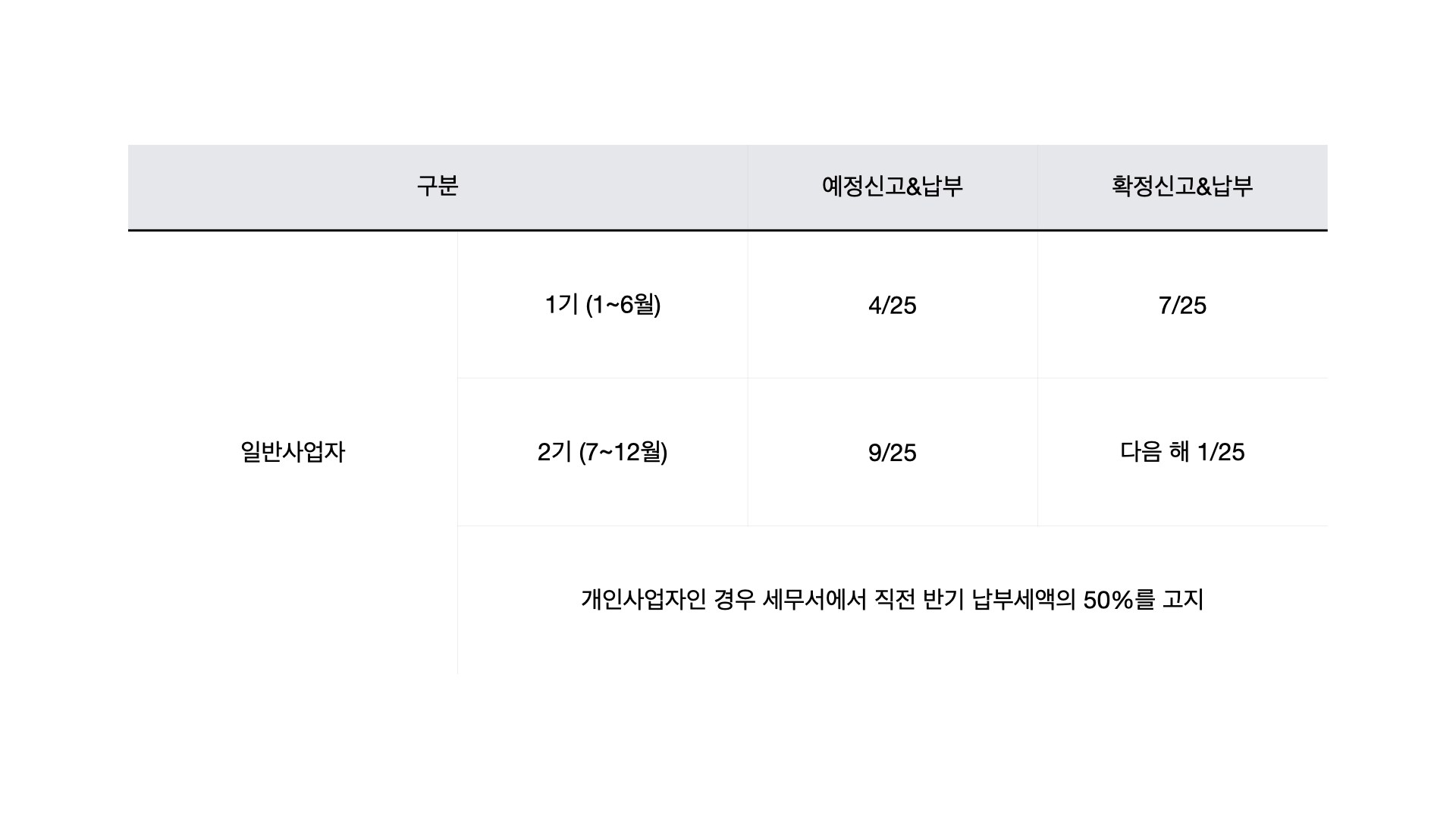
Sole proprietors (individuals) get a simpler treatment: the tax office calculates the preliminary payment for you and sends a bill. You just pay that, then file final returns by July 25 and January 25 the following year — twice total.
If your input VAT exceeds your output VAT, the difference is refunded to you — typically within 30 days of filing the final return. For example, if you file by July 25, expect the refund by August 24.
4. Filing and Payment Periods for Simplified Taxpayers
Simplified taxpayers have it even easier: the tax office sends you a bill in July for 50% of the VAT you paid last year. You then file one final return by January 25 the next year — that's it.
Also, if your annual supply value is under ₩30 million, you're exempt from paying VAT. (Note: in 2020, due to COVID-19, this threshold was raised to ₩48 million.)
5. VAT Filing: What to Watch Out For
1. Penalties
General taxpayers must file by the 25th of the month following the period end — not month-end. Many people confuse this and pay avoidable penalties.
If you under-report or fail to file, you'll face a 10–20% penalty on the unpaid tax. On top of that, you'll accrue daily interest of 0.025% (9.125% annually). Don't let this happen to you.
2. Underreporting Sales
If you underreport sales on your VAT return, you're not just facing VAT penalties — it'll cascade into problems when you file your income tax or corporate tax returns. Double-check your numbers to avoid simple mistakes.
3. Simplified Taxpayer Gotchas
-
Even if you owe ₩0 in VAT (because your revenue is under the exemption threshold), you still have to file a return. Skip the filing, and penalties apply.
-
Simplified taxpayers aren't required to issue tax invoices. Some operators get lax about collecting receipts. Legally, you won't face penalties — but come January, you might owe more tax than expected. Always collect purchase receipts.
-
Simplified taxpayers can't get refunds. Don't go on a spending spree just to chase a refund that doesn't exist.
-
The ₩48 million threshold isn't absolute — it's prorated based on your business operation period. The date you switch between general and simplified status can shift, and you need to know which tax year counts.
That's it for how VAT works, who pays what, and when you file. Next time, we'll dig into income tax: how it works, and how to file and pay. Thanks for reading.
[Series Roadmap]
- What Taxes Do You Pay Over a Year?
2. Value-Added Tax: How It Works and Who Pays What
-
Income Tax: How It Works and How to File
-
Tax Issues by Hospitality Type
-
Sales Channel Commissions and Tax Implications
-
Q&A