ONDA started with one manager's dive into Jeju's hostel scene. Zero hospitality experience, ₩10M monthly revenue ballooning to ₩60M. This series unpacks the three moves that made it work.
Prologue
Written by Kim Ji-ho, ONDA B&M Team
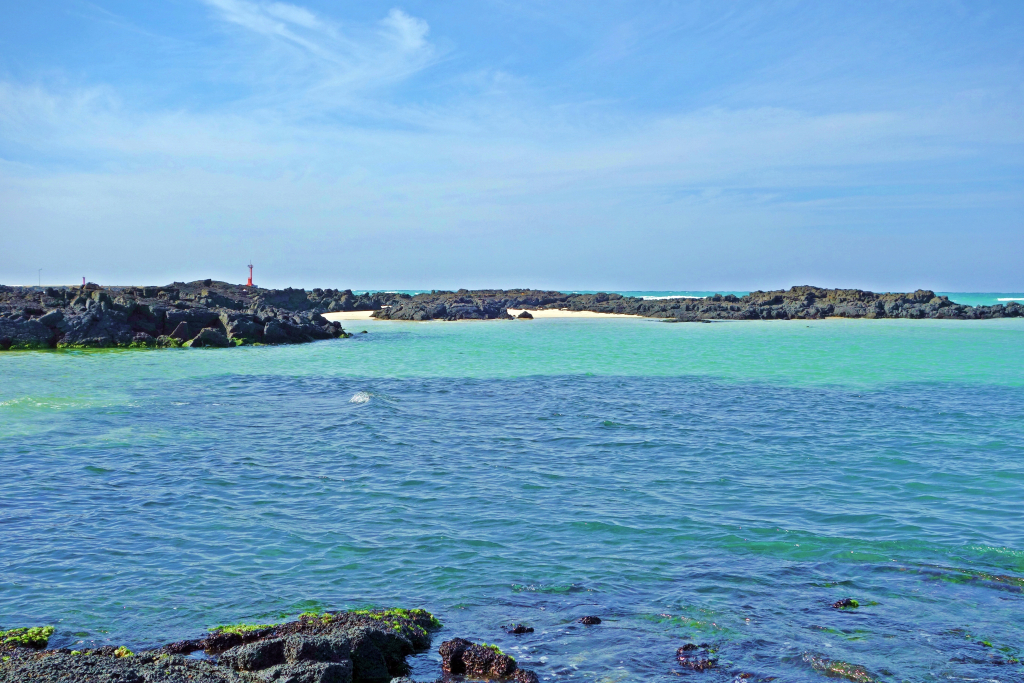
ONDA's service began with one manager's experience running a hostel on Jeju Island. I knew nothing about the hospitality business — or hostels and guesthouses. I just loved travel. That was enough for me to pack up and move from Seoul to Jeju, where I joined the staff of the island's largest hostel/guesthouse at the time. A few months in, I went from staff to manager to general manager, fully running the place.
Monthly revenue averaged around ₩10 million. In peak season, I pushed it to ₩60 million. Occupancy rates that struggled to hit 20% climbed to 100% during high season. We even double-booked a sold-out night once and had to send twelve guests to sleep at another property.
On TripAdvisor, we held the #1 spot for Jeju hostels and guesthouses from late 2013 through 2015. We consistently ranked first regionally on multiple OTAs by review score.
What made this happen? Three things:
- A differentiated online-first growth strategy
- Relentless focus on guest experience
- Constant feedback loops
I want to share this growth story through Magazine ON. Over the next ten installments, I'll walk through real cases and lessons learned.
If you're starting a property, this might help you avoid problems. If you're already operating one, it might help you spot issues. If you're working in hospitality or planning to, this could be a guide to improving operations, delighting guests, and boosting revenue — all at once. I hope this series plants a seed of solutions for every reader, wherever you are.

Series Outline
2018.01 Finding the Problems
A new place. Problems everywhere. But which ones actually matter?
2018.02 Fixing What's Broken
Solve weak points. Double down on strengths.
2018.03 Talking to Guests
Worn-out facilities. We decided to fix it with communication.
2018.04 Bringing Guests In
How do you actually attract more guests?
2018.05 Getting Feedback, Then Improving
Building a better property through constant iteration.
2018.06 Hiring Staff
How do you find good people?
2018.07 Managing Facilities
Maximum maintenance. Minimum spend.
2018.08 Maximizing Profit
Is "grow revenue, cut costs, maximize profit" actually doable?
2018.09 Handling Complaints
The hostel's fully booked. Twelve more guests just showed up.
2018.10 Actually Using Booking Platforms
All those OTA features and terms — can you really use them all?
2018.11 Closing
The mindset of an operator determines whether the business lasts.
Prologue
Building a Sustainable Property: Dropping the Franchise, Starting Fresh
When I first moved to Jeju, the hostel in Jeju City was part of a franchise. The branch name — using the franchise's initials — had this Hong Kong vibe to it.
The guesthouse sat in Dongmun Market, old Jeju. It was a 40-year-old motel. They spent serious money on cosmetic renovations but didn't touch the underlying structure. The result? A property that looked far worse than what the budget suggested. Given the location, the owner expected strong returns. Instead, the place was bleeding money. Break-even felt distant. The owner was stressed.
That's when I came in, recommended by a friend who worked as a manager at another franchise location.
I knew nothing about hospitality. So I approached everything from a traveler's perspective — learning room layouts, facility terminology, doing everything hands-on. The more I learned, the more I realized I didn't know. That first month, I focused on cleaning and understanding how the front desk worked. But the real issues weren't about facilities or structure. They were something else. To figure it out, I spent part of my paycheck staying at well-reviewed guesthouses and properties around Jeju, trying to understand what we were doing wrong.
After two months of learning, I started to form my own definition of hospitality: "The place where a traveler's journey begins — and ends." Then I saw how the franchise was exploiting the owners. After several days of discussion, I convinced the owner to leave the franchise. The owner agreed. After a few more days of arguments with the franchise, we officially dropped the name.
I had three reasons for pushing to leave:
→ Do guests recognize or feel loyal to this brand?
→ Does the brand actively promote or market its locations?
→ Does the brand identify and help solve problems at the property level?
Paying a royalty isn't just about using a brand name. For franchisees who lack expertise, the brand should offer real support. This one didn't. On every front, it made more sense to go independent.
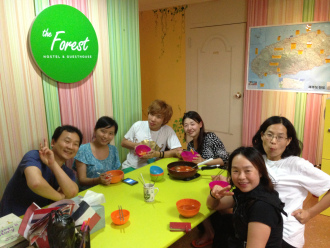
After days of dispute, we changed the name. We took inspiration from the building's forest-like exterior and created a new identity: a hostel for travelers to rest, a space offering the comfort of Jeju's forests — the Forest Hostel. We renamed it. Redesigned the logo. The franchise-sent manager lacked expertise and feared change, so he quit. I took over as the new manager.
'Confessions of a Jeju Hostel Manager' will run for 10 installments.
Next up: 'Finding the Problems.'
View the full magazine >>
⚠️ All rights reserved. Cite this piece as 'ONDA (온다)' when quoting.