What does an 18-year MICE veteran see when they look at hotels—and the travel industry?
What an 18-Year MICE Veteran Sees in Hotels and Travel
01. How Do You Define Your Property?
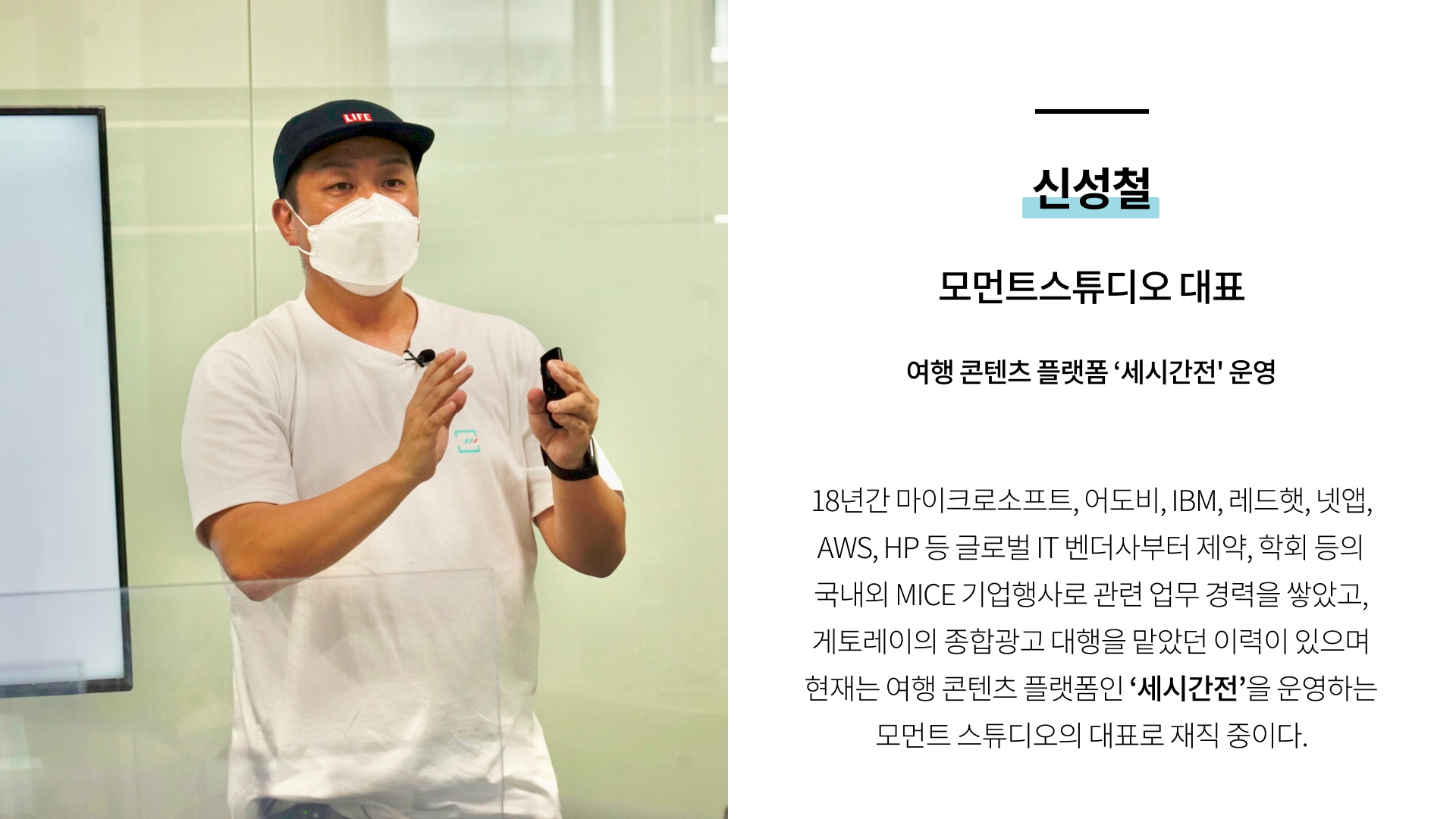
Writer: Shin Seong-cheol, CEO, Moment Studio
Editor: ONDA Manager Lee Chae-eun
Before We Begin
Hello. I'm Shin Seong-cheol, founder of 3 Hours Ahead, a travel content platform. At Moment Studio, we build services that connect travel experiences through content. Personally, I've spent 18 years in the travel industry—organizing corporate MICE events across Korea and abroad. I'm starting this series with ONDA in hopes that my experience might be useful to people working in hotels and travel. I hope it helps, even just a little.
How Do You Define Your Property?
Over 18 years, I've stayed in more places than I can count. Literally—I can't remember them all. I've stayed at ultra-luxury hotels and resorts. I've also slept in 16-bed hostels.
But here's the thing: I don't only remember the expensive, high-end properties where we held big corporate events. I think more often about the Regency Resort in Boracay—slightly shabby rooms, but stunning ocean views from the window. Or that nameless hotel in Istanbul, Turkey, where the shower door literally wouldn't close because the space was so tight. Those stick with me more than the Shangri-La in Cebu.
I've been to 23 countries and 150 cities, so I've experienced all kinds of properties. Whether it's a large branded hotel with polished systems or a small independent place, the service level and scale will differ. But the most important thing is this: how the operator defines their property shapes the guest experience.
Large Brand Hotels vs. Independent Properties
Most luxury properties I've experienced operate on similar systems, so the guest experience doesn't vary much. That's because their layouts and interiors follow brand standards.
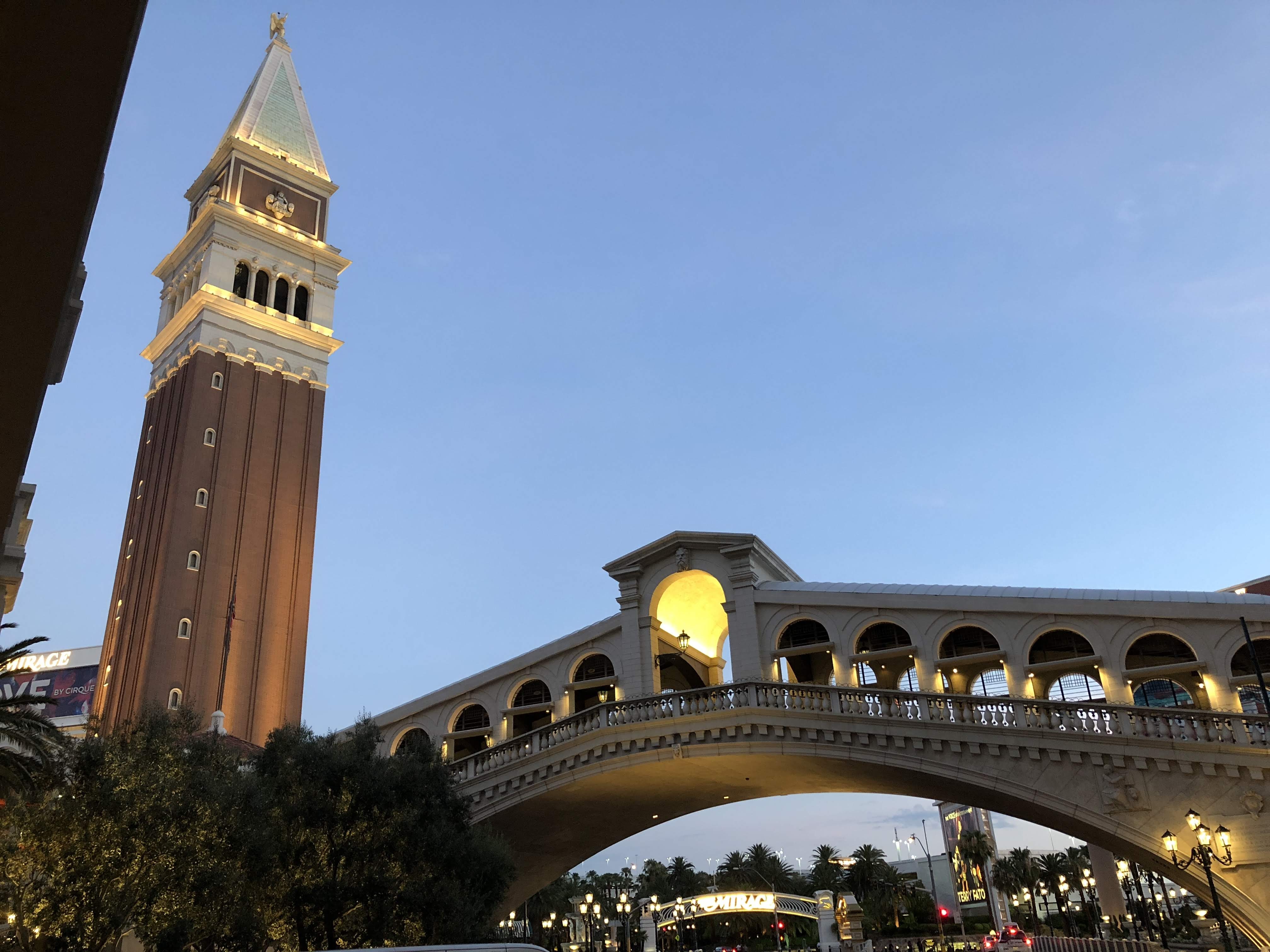
Take the Venetian in Las Vegas and the Venetian in Macao. The room layouts and interiors are nearly identical, so guests feel the same thing. That's why when I'm traveling with a large group, I'll sometimes pick the Venetian in Vegas based on my experience in Macao—it's a safe bet.
Smaller or independent properties, on the other hand, offer something more distinctive. They have more room to flex. More personality.
There's a hotel that comes to mind every year around this time. It's in Noboribetsu, Hokkaido—a place called Mahoroba. Unlike typical onsen hotels, it had tatami rooms and an outdoor hot spring. Soaking in that open-air bath while snow fell around me felt surreal—like stepping into another world. Every winter when it snows, I'm mentally back there.
Properties differentiate themselves in one of two ways: they either build systems that deliver consistent service at scale, or they go all-in on an "Only One" strategy to build a unique brand.
Not Just a Place to Sleep—A Place to Experience
Think about Airbnb. Instead of hotel-style systems, it highlights what makes each place unique—something you can only feel or experience at that property. That differentiation drives bookings. And it's why Airbnb's market cap exceeds the combined value of giants like Hilton and Marriott.
People no longer see hotels and accommodations as simply "places to sleep." They see them as places to stay and experience. That means properties need to think strategically about the experiences they offer guests.
How Should Our Property Approach Guests?
But before that, you need to define your property. Because that definition will determine whether you're just providing lodging—or delivering an experience.
If you define your property as "simply providing accommodation," then focus on building systems like a hotel and delivering reliable lodging service. But if you want to "offer an experience of staying," you'll need to add value to the property itself—or what it offers—by constantly asking what guests want. That's the first step toward creating experiences.
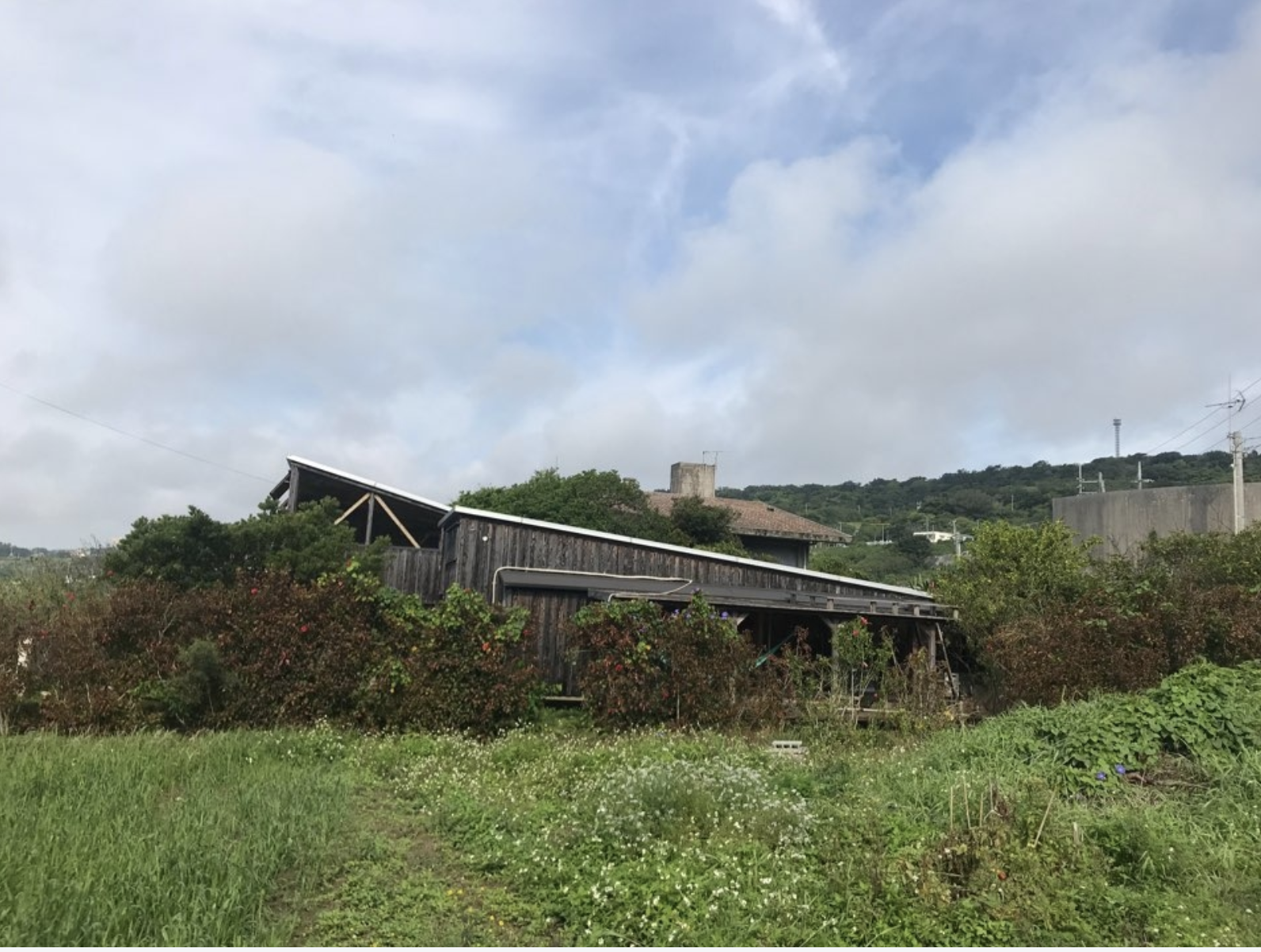
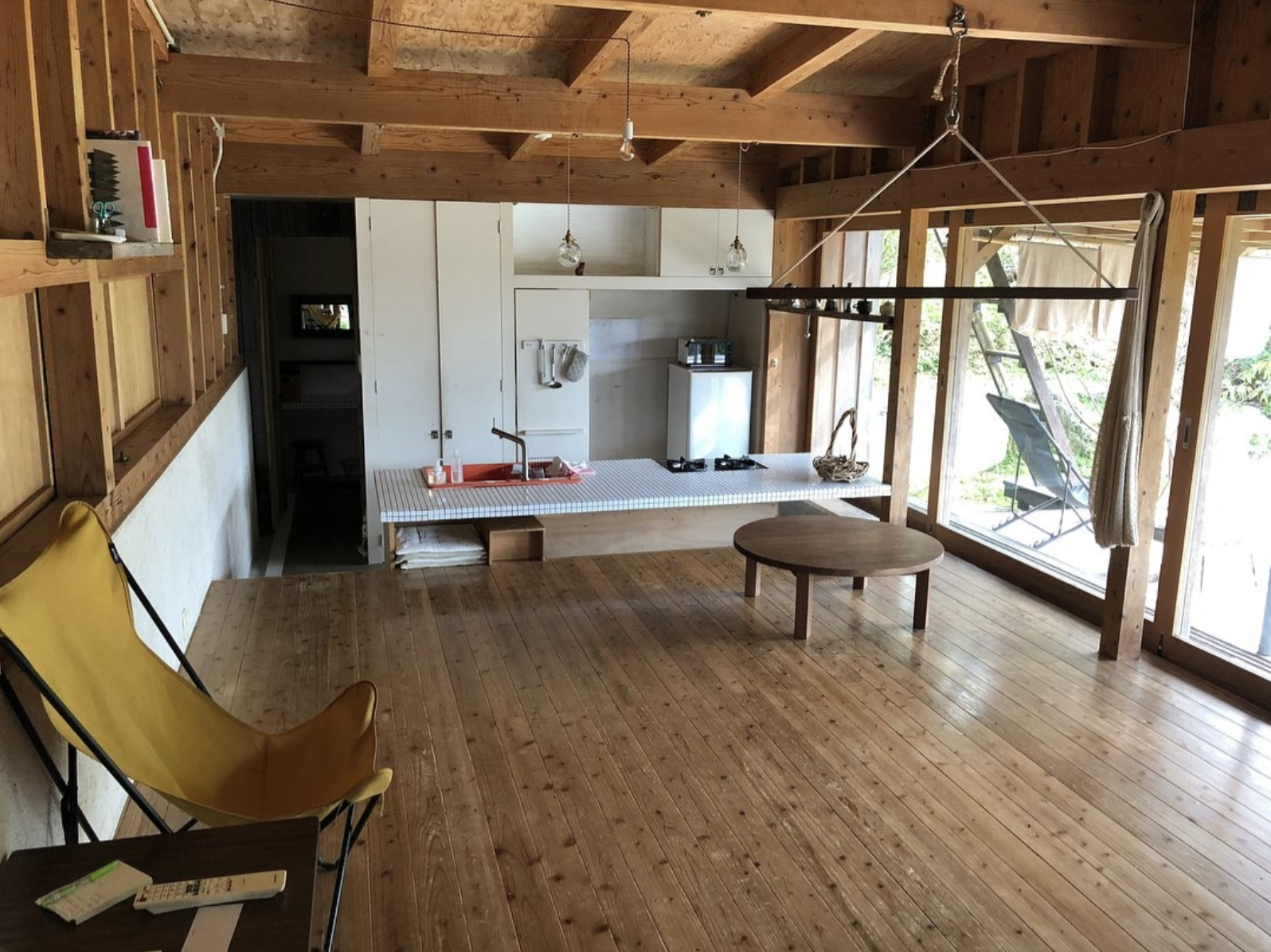
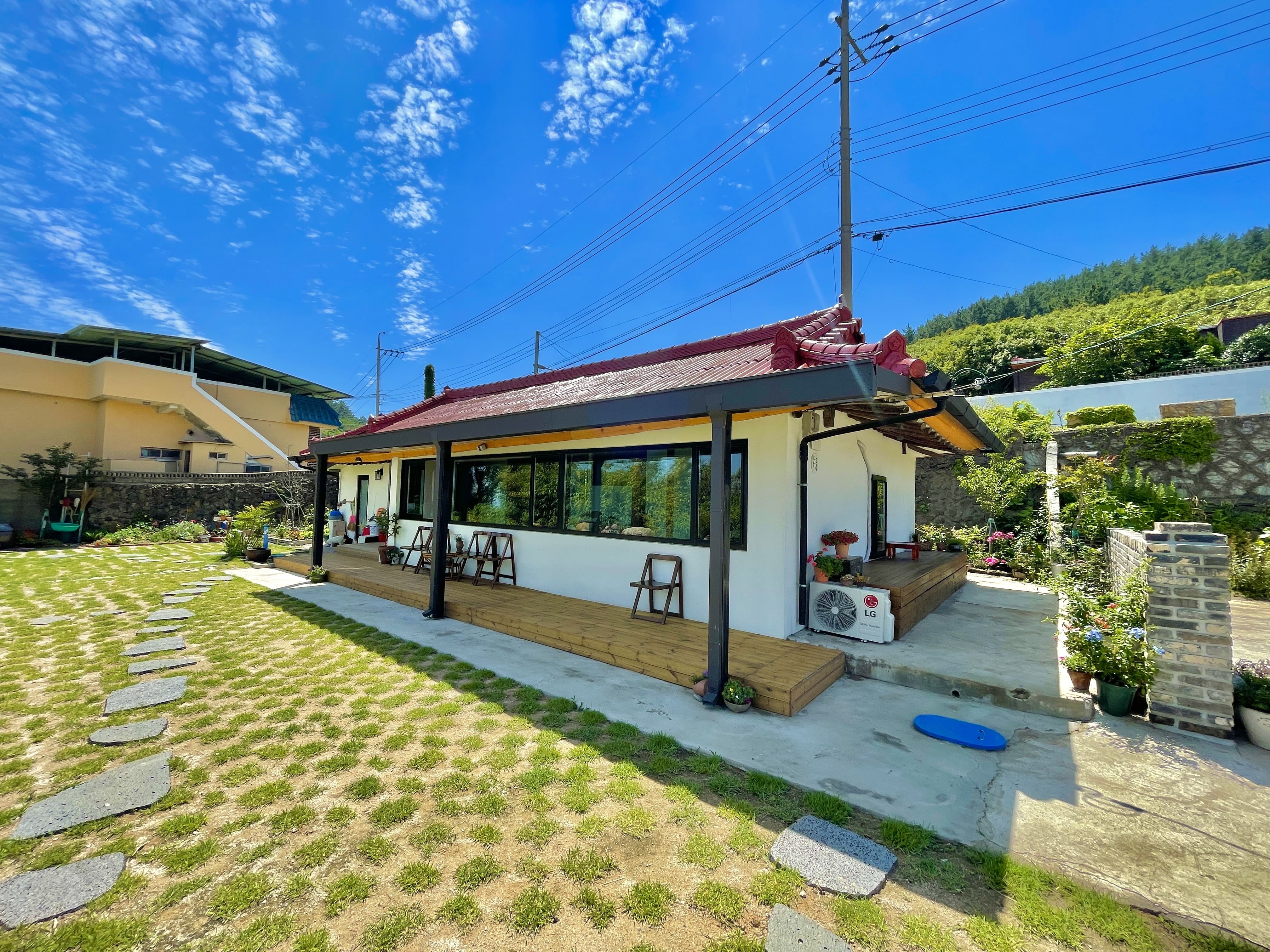
I've stayed at properties that added real value—and those are the ones I remember. At a countryside home in Okinawa hosted by "Koji," I rediscovered the value of rest in travel. At "Seonbau House" in Pohang, the host remodeled their grandfather's old home and left a letter sharing childhood stories. It was thoughtful, moving—and made me feel the value of staying in that place, in that community.
This isn't about how many rooms you have, or how much money you spent. It's about the choice of what value to provide. That's what guests remember.
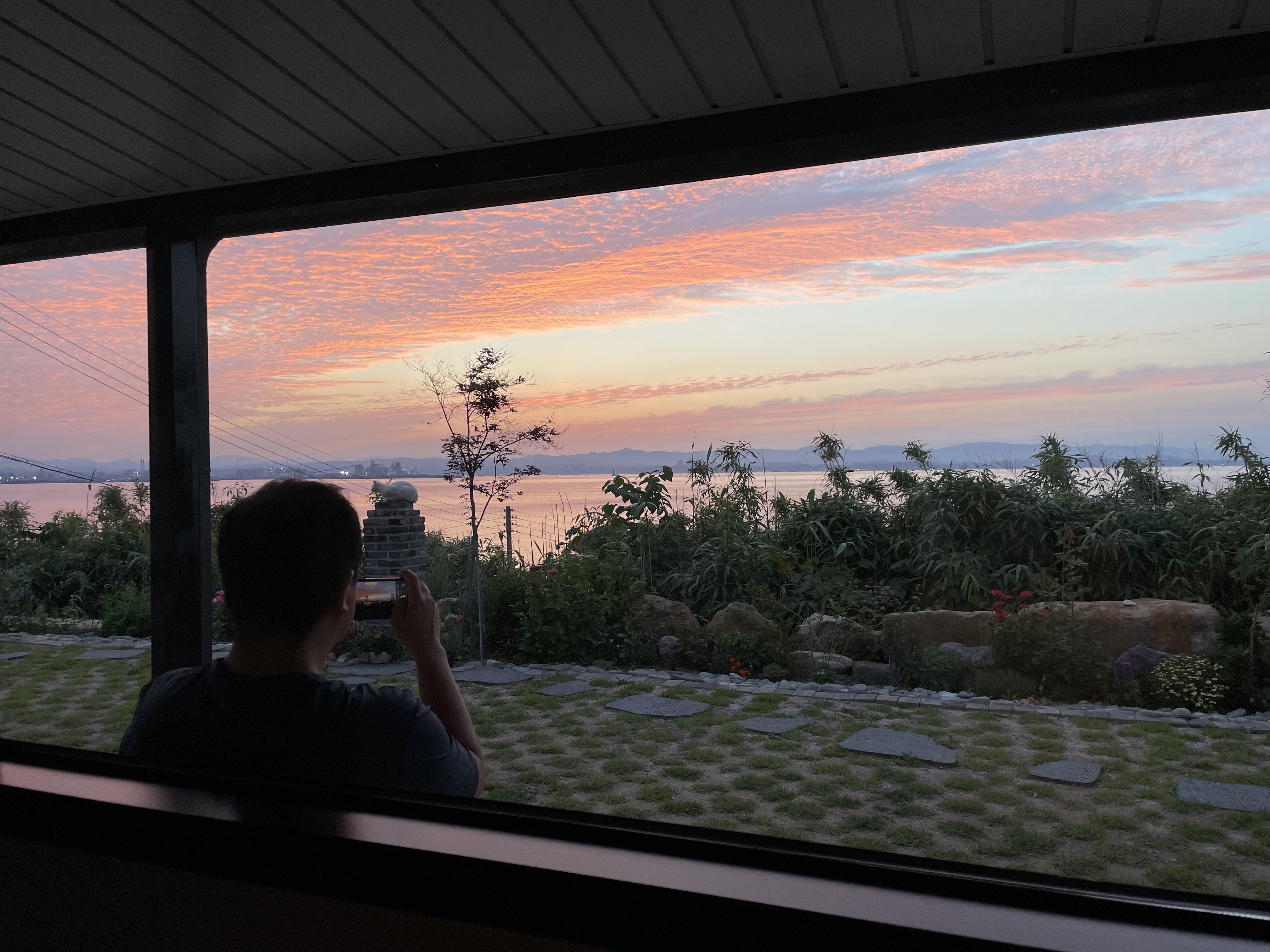
If you're a smaller property, you need to follow trends even more closely. Define your target audience. Study what kind of experiences they want when they stay at your property. Explore their social media. Research. Chase it down. Eventually, you'll start spotting the trends.
For example, starting in 2020, COVID-19 shifted travelers from international to domestic trips. More importantly, people started preferring travel with family or small groups—in private, safe spaces—over group tours.
The clearest sign? Demand for pool villas and private properties hit record highs, despite their premium pricing. For travelers stuck at home, these properties became the alternative to overseas trips. And in the pandemic, the safety of a private space carried real value—so travelers prioritized it.
Wrapping Up
If you define your property as just a place to sleep, then invest in high-end mattresses and luxury linens. But if you want to offer something beyond lodging—an experience that makes guests want to come back—that's the real job of a property.
So: How will you define your property?
What experience will you offer guests?
What value will you provide?
Worth thinking about.
📖 Series Contents
01. How Do You Define Your Property?
02. How COVID-19 Shifted Travel Trends
03. The Endemic Era: From Value-for-Money to Emotional Value Travel