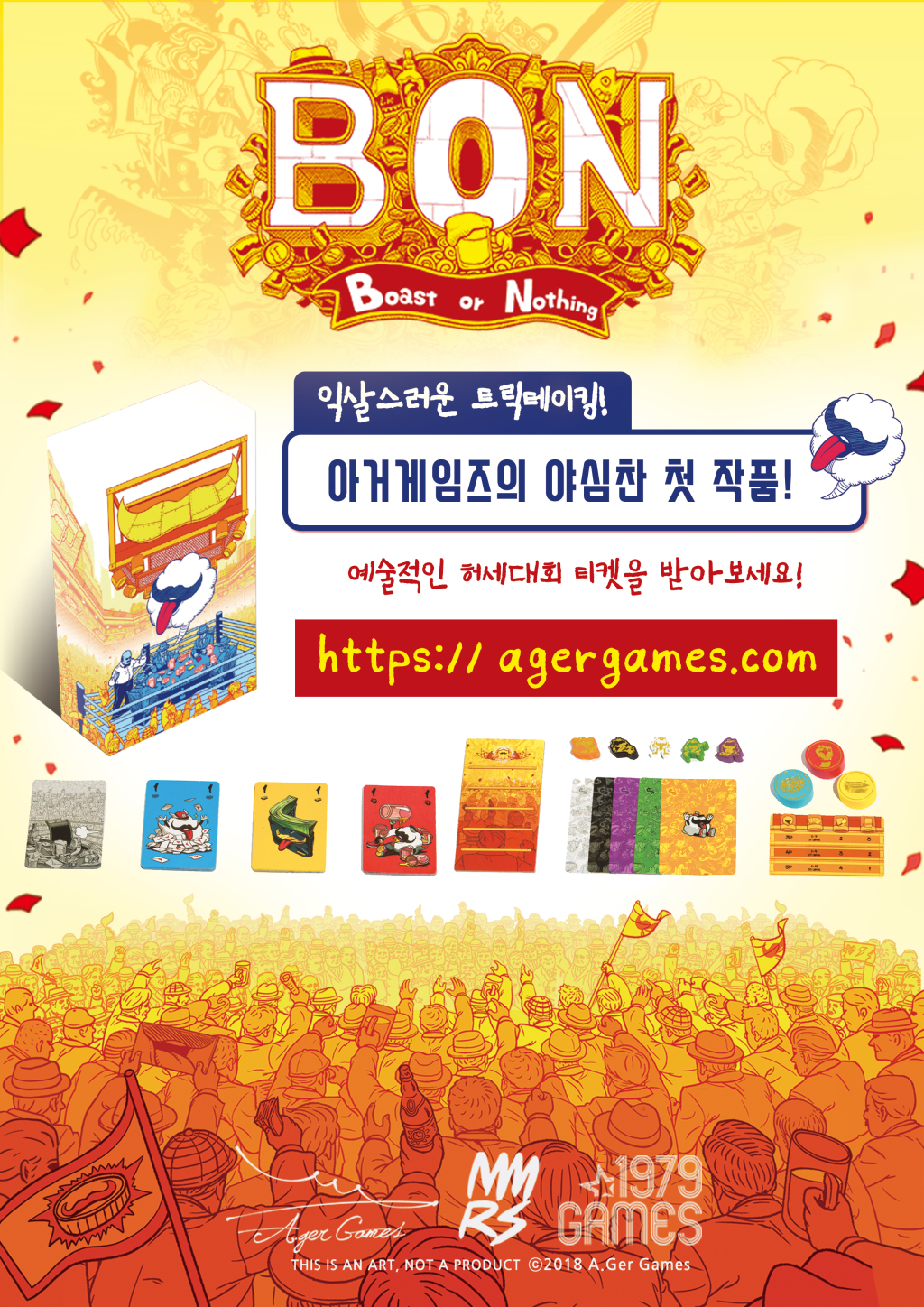
A year-long series on choosing board games for Korean hospitality spaces. Indie publisher Ahn Min-woo explains which games fit cafés, guesthouses, and party rooms—and why offline play is staging a comeback.
01. Introduction 紹介 — What Story Will We Tell
by Ahn Min-woo, CEO, Arger Games
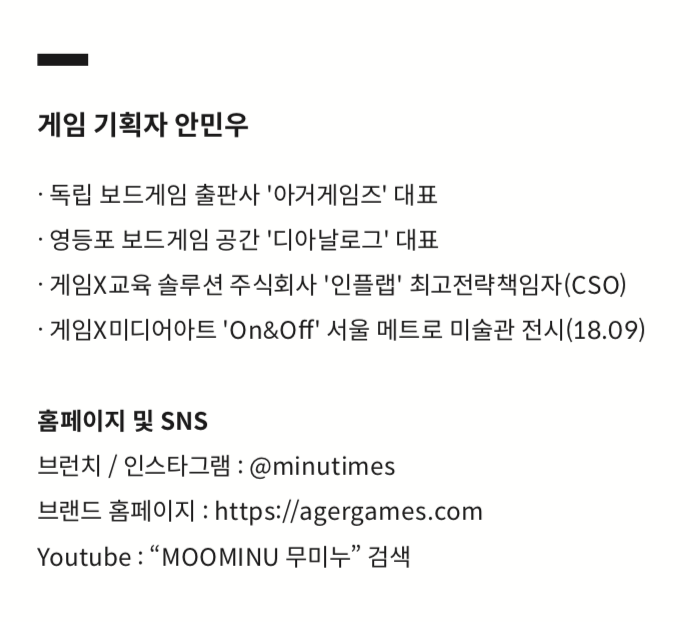
Hello. I'm Ahn Min-woo, founder of indie board game publisher Arger Games and operator of The Analog, a board game space in Yeongdeungpo. It might sound out of nowhere, but my dream is to connect people. I make games and write poetry in service of that dream. I've always lived a life of trying new things — big and small — and now I'm tying up loose ends while preparing for the next challenge. The process makes life richer, and I'm working to contribute something useful to society along the way.
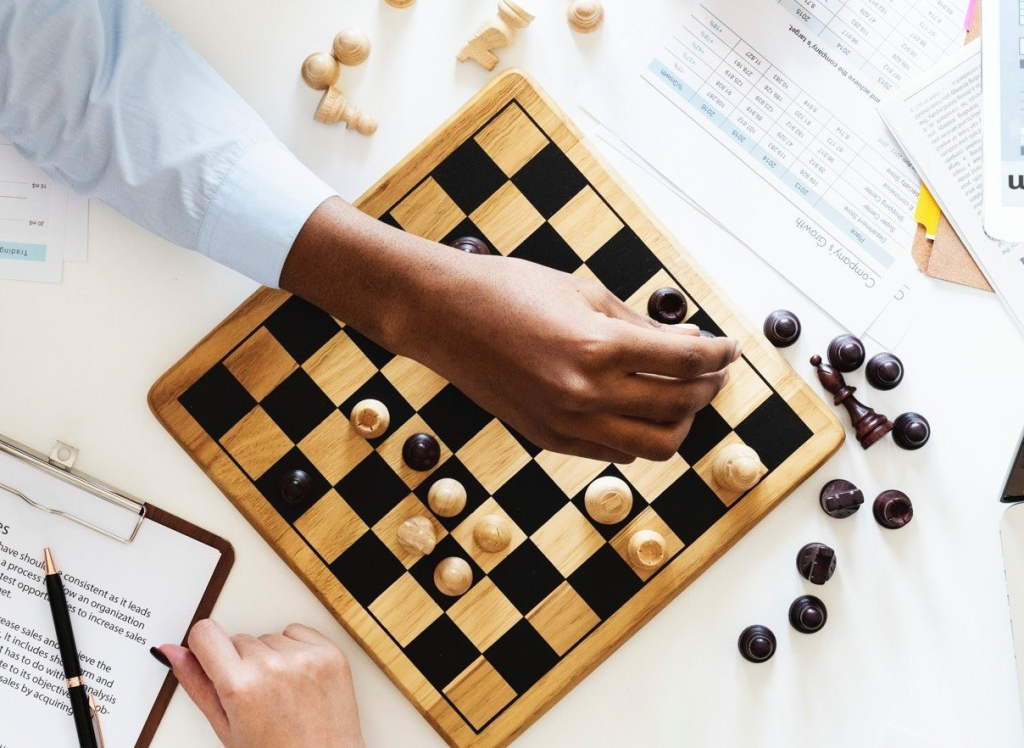
Photo by Rawpixel on Unsplash
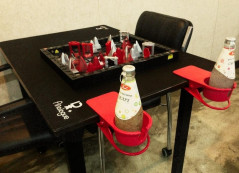
Board games are more than aesthetic objects — they deliver actual joy to guests. They're perfect for guesthouses, cafés, party rooms, and other hospitality spaces. People burned out on digital life are rediscovering offline play. More property owners are stocking board games, and guest interest is surging.
But which games should you buy? What fits your property? Which ones are actually fun? If you're curious about this world you haven't explored yet, this essay series is for you.
Over the next year, I'll use Magazine ON to introduce not just the familiar classics, but a colorful spectrum of lesser-known games — ones that fit the character of your space.
Today, in this first installment, I'll give you a simple introduction (紹介) to what's coming.
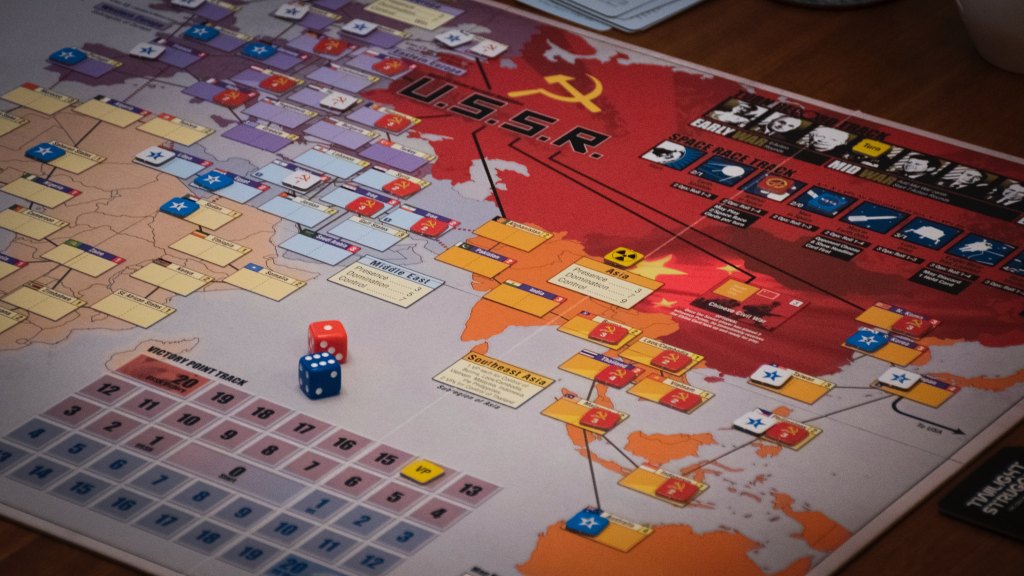
Photo by Sheldon Nunes on Unsplash
Act 1 — Content
First, we'll explore board games worth stocking for your guests, and the stories behind them. Filling the interior of a space — once you've built the exterior — is an act of art and creation. We can go beyond interior design to fill space with something intangible: mood, feeling, atmosphere.
Games are the most accessible form of content that brings a space to life — more than decor alone. Board games go further: they're aesthetic and interactive. Guests can actually play with them. Not a bad amenity.
We'll dig deeper into this topic, but if it sounds too abstract, start simple: stock classic, elegant games like Go, chess, playing cards, or mahjong.
I spend my days thinking about how to fill places with people and joy. I dream of spaces rich with human presence. Under the premise that unused space is dead space, we'll explore games as content.
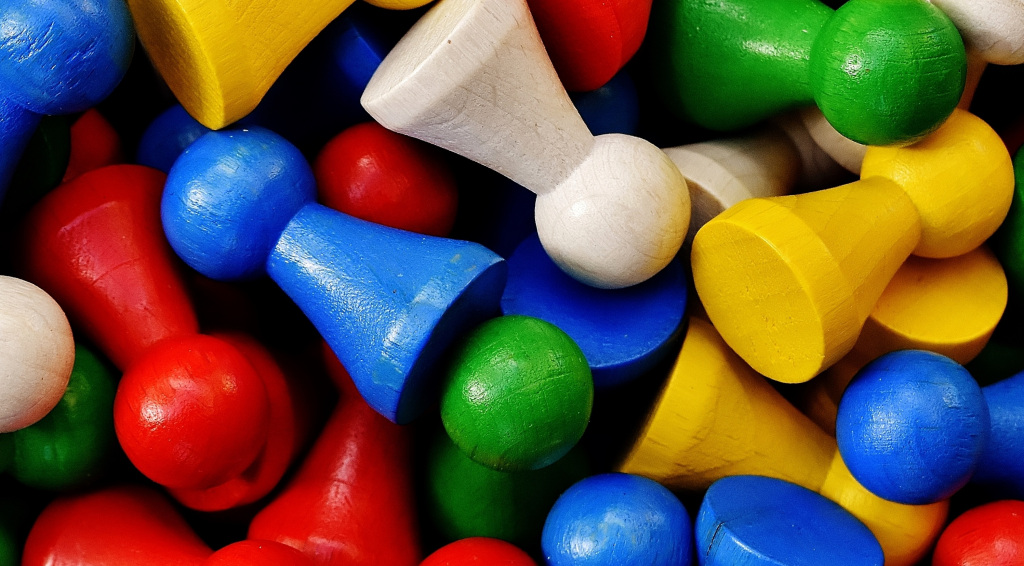
Games are the most accessible form of content that brings a space to life — more than decor alone.
Act 2 — Board Games
Board games are, by definition, "games played with a board and simple physical components." That's what first captivated me.
Unlike digital games, board games have a physical form. They must exist somewhere. You can touch them. Lose them. They're just like any other object in the world.
I make board games for a living. I work with designers to research, playtest, and refine their prototypes. We layer on art, manufacture the final product, and release it in Korea and abroad. We sidestep traditional commercial structures — collaborating with artists, focusing on branding and quality. We embrace indie publishing and keep pushing the boundaries of what games can be.
In the process, I've discovered a new role for games. Because they interact with players and shape atmosphere, the more people play, the more alive the game becomes — and the more it takes over the space. From a single table to an entire room.
That's why matching a game to a space and its visitors is such a fascinating challenge. In each installment, I'll highlight a few well-made games, explore what makes them special, and imagine where and with whom they belong.
Act 3 — The Relationship Between Art and Games
To me, games are art.
Maybe this is shallow, but I define art as "something that makes you see the everyday anew."
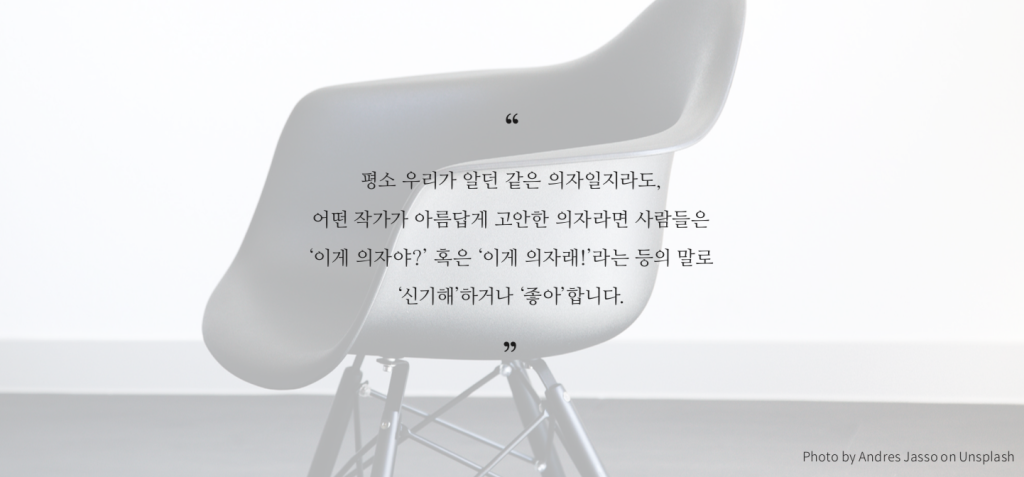
Here's an example. Imagine a beautiful chair. Even if it's fundamentally the same as any chair, if an artist designed it thoughtfully, people react: "That's a chair?" or "Apparently that's a chair!" They're surprised. Delighted.
That's art: making the obvious unfamiliar. Appreciating art is the act of noticing and enjoying that shift.
Games are art that lets you use a carefully crafted world. That world has a goal. To reach it, you must compete and survive. And that competition and survival echo real life. So games must be intricately sculpted within a coherent universe to resonate with our experience. A good game immerses the player. Inside the game, they have new experiences.
In this way, art and games are alike yet different. Both offer new ways to see the world. Art makes you realize difference. Games use audiovisual design and logic to let you experience difference.
Board games require physical space. People gather in one place and spend time together. Space plays a crucial role here: it connects people. Sharing the same time and place, people get to know each other. A physical location anchors imaginary worlds in reality.
We curate our spaces to offer visitors novelty and connection. I run a board game venue to connect people. You cultivate your property to deliver travel satisfaction and meaning to guests. And travelers, inspired by their stay, make changes in their lives — changes that ripple outward and spark more journeys. I believe this is the greatest impact art and games can have on our lives through space. And an impact we need.
fine.
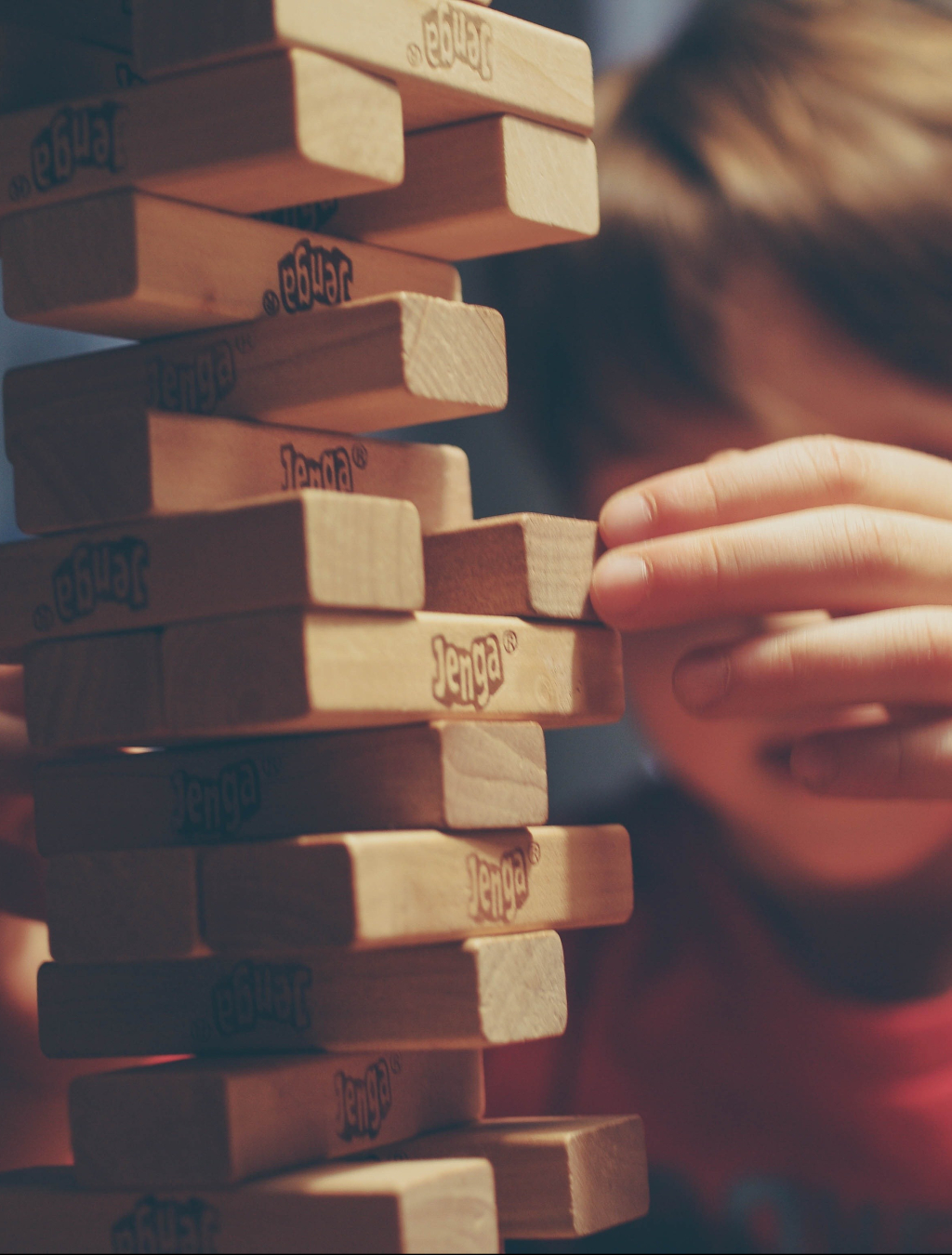
Through this series, I want to explore how board games — as an art form — can quietly infuse joy into a space. Beyond Jenga and Monopoly, I'll introduce you to the rich subculture of true board gaming.
In upcoming columns, we'll hunt down excellent games worth keeping at your property. Looking forward to conversation and exchange. That's it for the first installment.
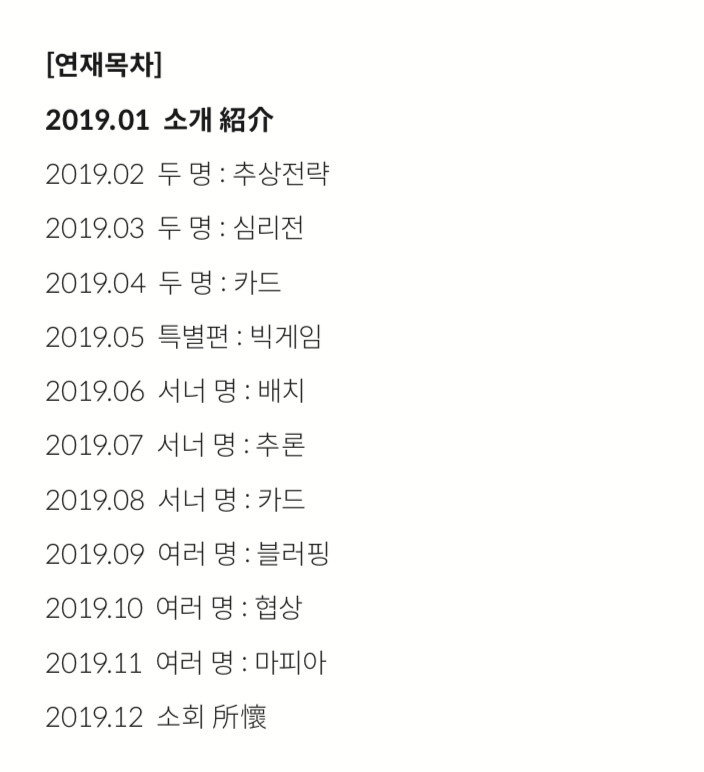
[Series Outline]
2019.01 Introduction 紹介 2019.02 Two Players: Abstract Strategy 2019.03 Two Players: Psychological Warfare 2019.04 Two Players: Card Games 2019.05 Special Edition: Big Games 2019.06 Three to Four Players: Placement 2019.07 Three to Four Players: Deduction 2019.08 Three to Four Players: Card Games 2019.09 Larger Groups: Bluffing 2019.10 Larger Groups: Negotiation 2019.11 Larger Groups: Mafia 2019.12 Reflection 所懷