A Seoul guesthouse founder discovers that prime location means nothing when zoning laws block your hospitality license. The gap between vision and regulatory reality, told from the trenches.
Writer: Seung-ho Jung, Seoul Dalbit Guesthouse
Editor: Somora, ONDA Manager
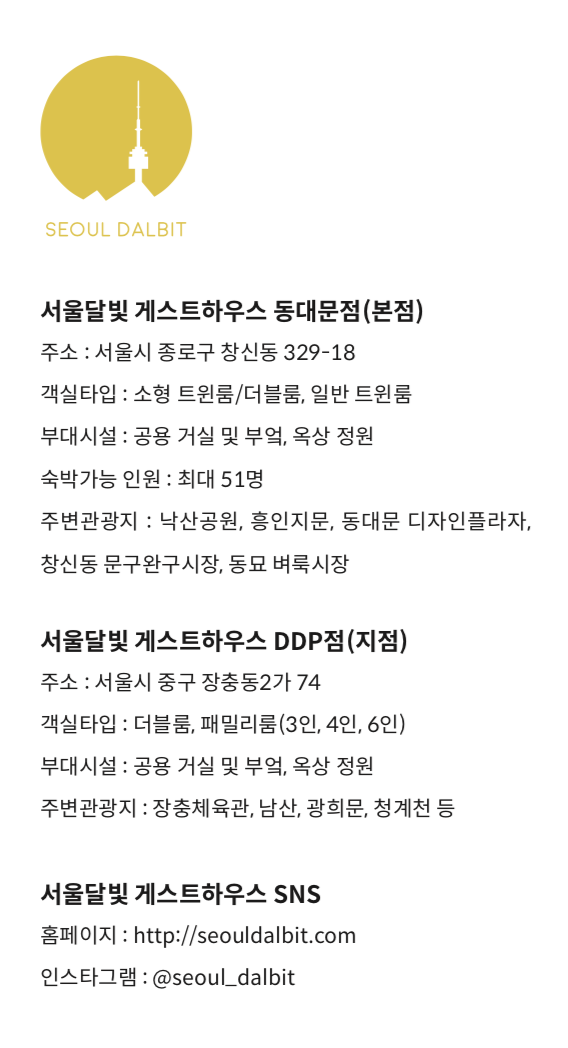
Seoul Dalbit Guesthouse Dongdaemun (Flagship) Address: 329-18 Changsin-dong, Jongno-gu, Seoul Room Types: Small twin, small double, standard twin Facilities: Shared living room and kitchen, rooftop garden Nearby: Naksan Park, Heunginjimun Gate, DDP, Changsin-dong stationery market, Dongmyo flea market
Seoul Dalbit Guesthouse DDP (Branch) Address: 74 Jangchung-dong 2-ga, Jung-gu, Seoul Room Types: Double, family (3-, 4-, 6-person) Facilities: Shared living room and kitchen, rooftop garden Nearby: Jangchung Gymnasium, Namsan, Gwanghuimun Gate, Cheonggyecheon Stream
Seoul Dalbit Guesthouse SNS Website: http://seouldalbit.com Instagram: @seoul_dalbit
08. Catching Our Breath
—Pausing to survey the terrain

Photo by Javier Allegue Barros on Unsplash
The five-story building we found in Dongdaemun was irresistible. Prime location right in front of the subway station. Four floors (2F through 5F) all ours. A jaw-dropping night view from the rooftop.
But we'd overlooked one critical thing:
This building would be nearly impossible to license for hospitality use.
I'm no expert in other industries, so take this with a grain of salt—but restaurants and bars (legitimate ones, not shady nightlife venues) can generally open after passing a health inspection and filing a business notification in a neighborhood commercial building.
Hospitality is different. People sleep here—sometimes for weeks. Life safety is at stake. So you need two things: the building itself must be zoned for lodging, and you need a separate operating permit. It's not a notification system. It's a permit system.
And because motels and inns once had ties to unsavory industries, the standards are strict. No new permits in residential zones. Must be 50–200 meters from schools. Room sizes, wall thickness—everything is regulated down to the centimeter.
If we'd signed a lease without knowing this, we'd have been stuck running some other business we never wanted. Luckily, we'd already consulted an architect about zoning conversions and learned the basics of hospitality permitting in time to dodge a bullet.
If you're reading this and planning to open any kind of business, check whether your building is zoned for your intended use before you sign anything. Hiring an architect for this kind of consultation costs tens of thousands to hundreds of thousands of won—not cheap—but they know the labyrinthine building codes and can handle the permits and admin work you'd struggle with.
This is especially true for hospitality. Permits go through district/city officials, so you want an architect who knows your specific district inside and out. (Try asking a Jung-gu architect about Jongno-gu permits, and they'll tell you to go ask someone else.)
Our Dongdaemun building had no fatal compliance issues, but the floors were too small. Difficult to carve out rooms. Low guest capacity meant low projected revenue. Not viable as a guesthouse.
We moved on without hesitation.
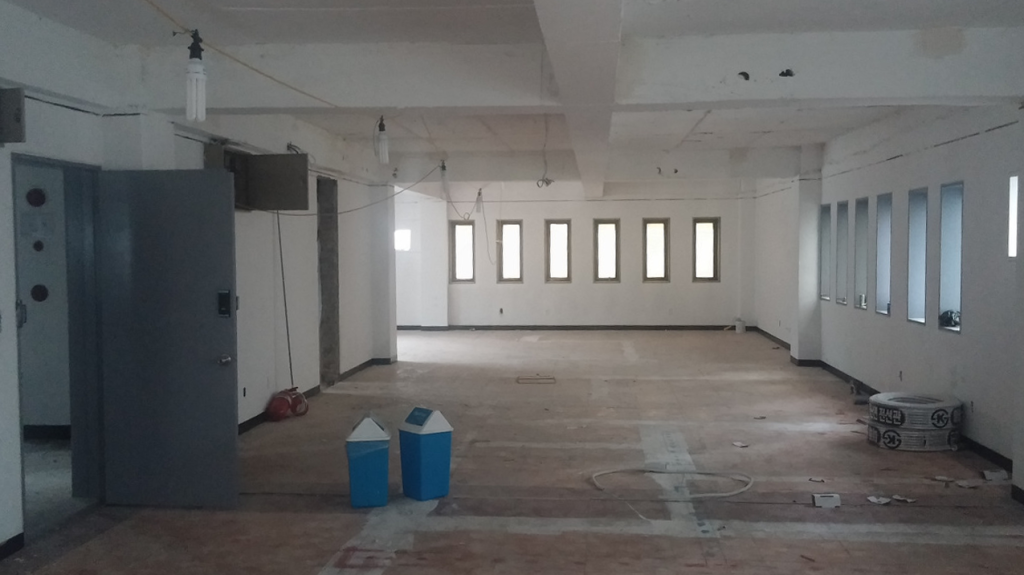
The Dongdaemun space we stumbled upon. It would later become our first guesthouse.
From 2015 to now, here's what I've learned about hunting for commercial real estate:
1) Pound the pavement
Residential properties have standardized pricing by neighborhood or apartment complex, so online searches work. There are plenty of X-bang-style platforms these days.
But commercial properties? All over the map. Same neighborhood, wildly different prices depending on age and condition. Services like NeX exist, but listings are sparse.
The most reliable method: search every real estate office in your target area, call them one by one, and tell them your size, use case, deposit, and rent requirements. Call ten offices, maybe two or three will get back to you—and most of those leads will disappoint. But direct calls beat scrolling online every time.
2) Play the long game
Finding commercial real estate that checks all your boxes—anywhere from three to six months is realistic.
Good properties aren't sitting on the market when you call. They appear when current leases expire. Real estate agents will pitch you random properties in the meantime to close deals, but finding your match takes patience.
If six months go by and nothing surfaces, either your criteria are unrealistic or that area isn't competitive enough. Time to revise your plan.
And remember: deals fall through all the time. Don't get too attached to any one space. There's always another opportunity around the corner.
3) Know exactly what you want
When you contact an agent, be crystal clear: location, square footage, deposit, rent, and key money. Agents juggle dozens of property types. If you're vague, they'll waste your time showing you the wrong stuff.
Tell them what you're opening—office, restaurant, guesthouse. Set a budget for deposit and rent. Specify details like number of bathrooms, whether you need rooms, etc. And factor in key money—unique to Korea's commercial market, non-refundable, and highly variable depending on market conditions and business performance. Be strategic about it.
After that first Dongdaemun building, we toured properties in Sinchon, Myeongdong, Dongdaemun, Euljiro, Chungmuro. Most viewings happened on weekday afternoons. I was stuck at the office, so I joined on evenings and weekends.
We wanted open, blank-canvas spaces—not turnkey guesthouses with existing rooms. Existing operations came with hefty key money, and more importantly, we couldn't customize the layout or design to match our vision.
We wanted to paint our own picture from scratch.
But wide-open spaces were rare. And even when we found them, landlords willing to approve zoning changes and hospitality permits? Rarer still.
Two months. Dozens of agencies. A dozen or so properties.
Then we got the call. A commercial building in the Dongdaemun market alley. Two floors—2F and 3F—about 1,000 square feet of open space.
That place would become our first home.
[Series Index]
2019.01 Prologue 2019.02 Eyes Open 2019.03 Daydreaming 2019.04 Observing 2019.05 Conceiving 2019.06 Meeting 2019.07 Heart Racing 2019.08 Catching Our Breath 2019.09 Crunching Numbers 2019.10 Lost 2019.11 Breaking Ground 2019.12 Taking Shape 2020.01 Grand Opening 2020.02 Epilogue – Quitting the Job