A Seoul salaryman quits corporate life to run a guesthouse full-time. The final chapter of one founder's journey from side investor to full-time hospitality operator.
14. Epilogue
— Opening the guesthouse, leaving the company,
and committing full-time
Writer Jung Seung-ho, Seoul Dalbit Guesthouse
Editor Somora, ONDA Manager
Seoul Dalbit Guesthouse Dongdaemun (Main Branch) Address: 329-18 Changsin-dong, Jongno-gu, Seoul Room types: Small twin, small double, standard twin Facilities: Shared living room and kitchen, rooftop garden Nearby attractions: Naksan Park, Heunginjimun, DDP, Changsin-dong stationery/toy market, Dongmyo flea market
Seoul Dalbit Guesthouse DDP (Branch) Address: 74 Jangchung-dong 2-ga, Jung-gu, Seoul Room types: Double, family (3, 4, 6-person) Facilities: Shared living room and kitchen, rooftop garden Nearby attractions: Jangchung Gymnasium, Namsan, Gwanghuimun, Cheonggyecheon
Seoul Dalbit Guesthouse SNS Website: http://seouldalbit.com Instagram: @seoul_dalbit

After the long-awaited opening, the guesthouse started operating smoothly. And I began thinking about my next move.
As mentioned earlier, I'd been involved in this guesthouse project as an investor while holding down my day job. During the project phase, I attended evening meetings after work, shared ideas, and got updates on progress. On weekends, I participated only when my schedule allowed—mostly looking over people's shoulders.
Before the guesthouse opened, my physical constraints didn't stop the project from moving forward, thanks to my co-founders. Truth is, most of what I contributed during the process—as described in previous posts—was ideas and opinions. The real time and sweat came from my partners. I'm grateful.
But after we opened in January 2016, two of my co-founders got full-time jobs. Suddenly, out of the four of us, three were office workers (including me), with only one person—our relentless driver from Part 6—running the place full-time. And even he was juggling his existing Airbnb listings plus some long-term personal matters. Ironically, we had fewer people managing the guesthouse after opening than we'd had building it.
Still, business got off to a good start. But since this was our first rodeo running a guesthouse—no franchise HQ to call—the first two months were pure chaos. Fortunately, the staff we'd hired were sharp and diligent. They helped us establish early operating systems: dividing cleaning duties, streamlining check-in procedures, drafting facility management manuals. The basic principles and systems we still use today? All forged through trial-and-error with those early employees and operators.
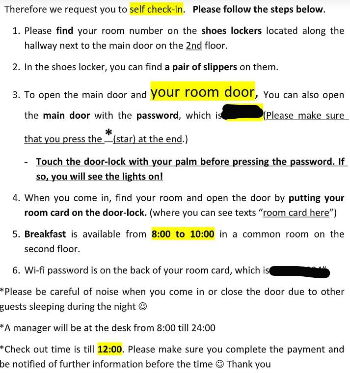
As I mentioned in Part 3, I'd wanted to run a tangible, old-school business—a real shop—and experiencing it firsthand felt new. At my corporate job handling tech/overseas sales, I sent invoices back and forth with foreign clients and closed deals. But it was all spreadsheets and monitor pixels. I never felt like I was actually "doing business."
The guesthouse was different. Transaction sizes were smaller than at the company, but actual guests showed up at our place, used our facilities, paid us money, and left reviews.
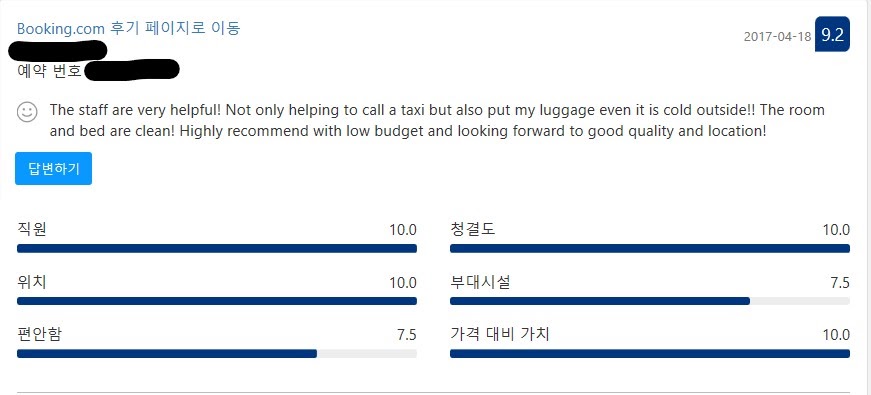
Customer demand stretched and contracted based on our marketing. Guest flow and reactions shifted based on our facility layouts. Payment dates varied depending on the OTA platform or credit card settlement schedules, but the amounts hit our business account like clockwork.
This was commerce you could see and touch.
But personally, I still hit my physical limits. I could drop by after work or on weekends, puff my chest, and say "I'm OO, one of the investors here," but I barely participated in actual operations. The guesthouse's operating system gradually took shape, but day-to-day facility management still needed an operator's eye and care. Even when ideas popped into my head during evening or weekend visits, I couldn't execute them myself—and it felt unfair to burden part-time staff with realizing them.
In an era where labor income alone can barely support one person, let alone build wealth, more office workers are taking on side hustles. Common side gigs for salary workers include unmanned operations like coin karaoke or claw machine arcades—businesses with minimal constraints. Some, like me, open more substantial operations. Franchise brands especially appeal here: provide enough capital, and they handle everything from planning to construction to operations (though royalties eat into profits...).
Starting a side business while keeping your day job—testing viability and profitability before taking the full leap—is an effective way to reduce risk. But watch out for one thing: whether your employer prohibits moonlighting.
Under current Korean law, employers can't completely ban employees from holding multiple jobs. Since moonlighting falls under personal capability and private life, blanket bans on side work that doesn't interfere with company order or work performance are considered unfair—per existing case law (Seoul Administrative Court ruling 2001.07.24., 2001Gu 7465). Still, if you're employed, scrutinize your company's internal regulations. Getting caught moonlighting can lead to termination in severe cases. Moonlighting is typically prohibited when:
[content continues, but cuts off in original—this appears to be the end of the visible text]
So I kept living as an office worker, getting guesthouse updates as an investor on the sidelines. My interest in directly interacting with customers and running a business grew stronger. Watching customers respond to what we'd built felt genuinely fun. I started seriously contemplating my life. Wouldn't it be better to stop juggling two things and commit fully to the guesthouse business?
I'd turned to business in the first place because I didn't want my life dictated by external decisions,
I wanted an autonomous life where I created my own success and failure with my own hands,
And what I sought from business wasn't immediate profit—it was the self-respect of owning my life.
So I seriously considered quitting. It took months to decide, then more months to actually execute. This wasn't a heat-of-the-moment choice. For thoughts on the worries and considerations you must address when resigning, see my earlier piece "Be a Coward When You Quit".
After nearly half a year of deliberation, decision, and execution, I resigned.
Three years since quitting in March 2017, I now run two guesthouses and one capsule hotel. My pockets still aren't exactly deep—that's the self-employed life.
This concludes <Escape from Hahoetal: Diary of a Nobody Salaryman>, also known as <Guesthouse Startup Diary>. Writing in bits and pieces while running the business, it took me nearly a year and a half to finish fifteen posts. If my stumbling startup story helps anyone dreaming of self-employment, even a little, I couldn't ask for more.
To all the agonizing office workers and struggling self-employed hustlers out there—hang in there.
[Series Index]
2020.02 Epilogue — The Resignation, Summarized