Korea's rising status and the growing importance of tech partners
ONDA recently earned recognition from two of the world's top four OTAs: Booking.com named us an "Advanced Connectivity Partner 2024," and Trip.com awarded us "Preferred Partner 2024."
That means ONDA now has official partnerships — and passed rigorous technical certification — with all four major global OTAs: Expedia, Airbnb, Booking.com, and Trip.com.
In May, we attended both Booking.com's CLICK.2024 and Trip.com's ENVISION.2024 partner conferences, exchanging ideas with travel companies from around the world.
We wanted to share what we learned.
Korea's rising importance — and why tech partners matter
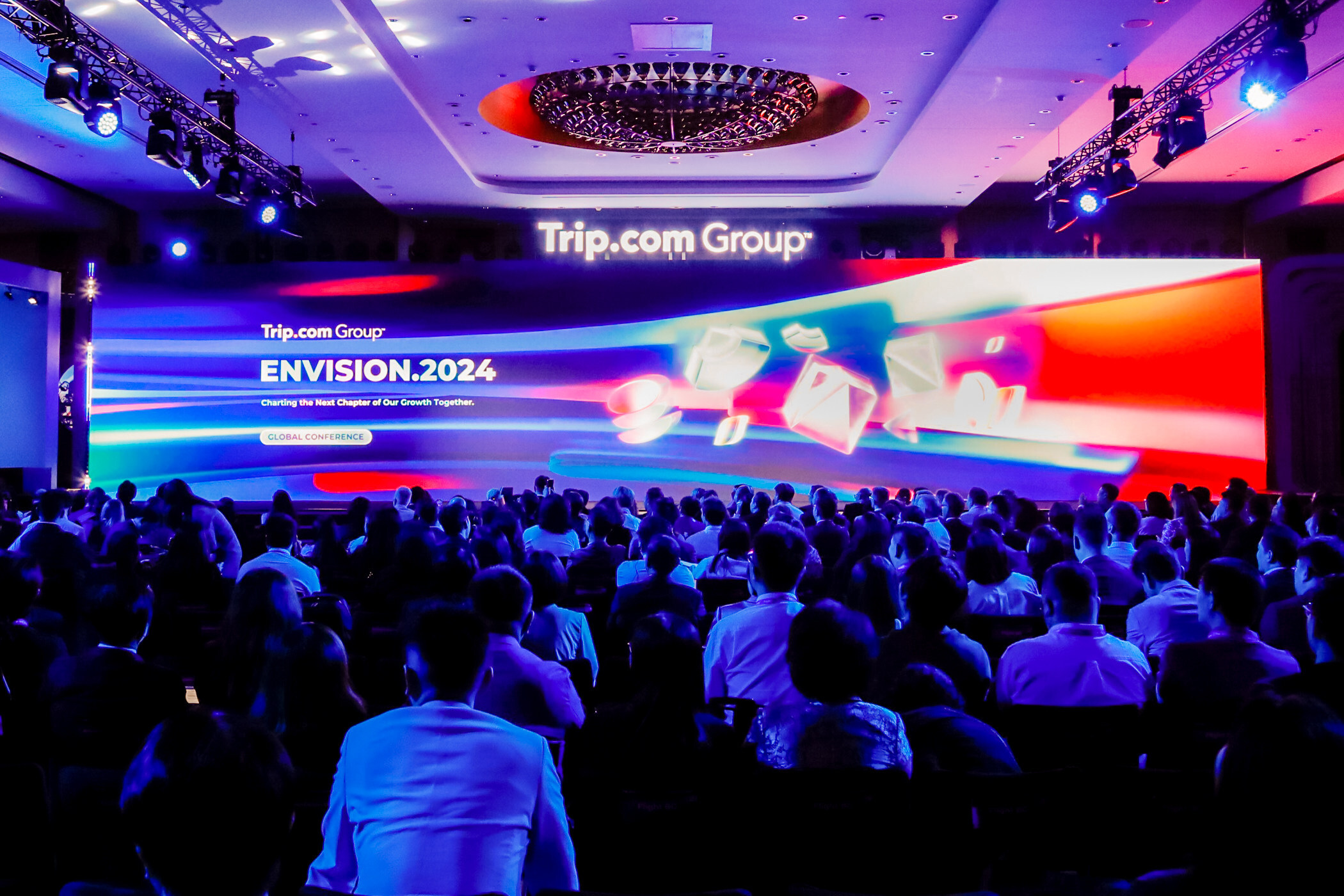
We attended both events. Both companies welcomed us warmly — not just courtesy, but a clear signal: Korea matters now.
They see ONDA as a key partner. They see Korea as a critical market. The consensus? Korea's tourism infrastructure won't be able to keep up with inbound demand much longer.
At networking sessions, several global leaders signaled interest in investing in Korean tech. They emphasized how important it is to work with technology partners who can bring inventory online. That's why both OTAs are paying attention to ONDA.
Korea's status as a travel destination is rising fast. We need to find more foreigner-friendly properties and make stays in Korea better for international guests.
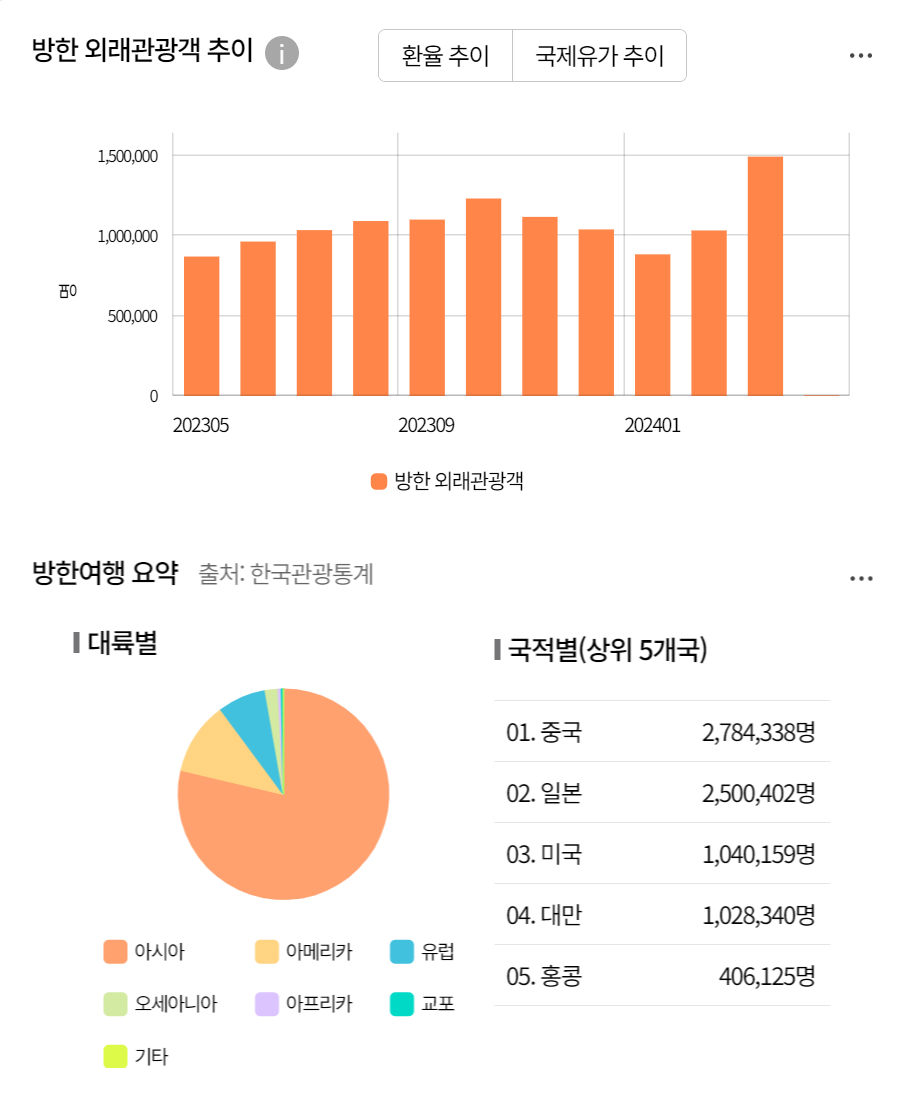
Trip.com ranks Korea as the 4th most popular destination globally on its platform. Data from the Korea Tourism Data Lab shows consistent growth in arrivals over the past year. Between K-pop's global reach and favorable exchange rates, this is the moment to capture inbound travelers.
But there's a problem. Foreign visitors who come to Korea often hesitate to return because of friction points. For sustainable growth, you need people bringing back friends and family — not just one-time curiosity visits.
One industry expert told us: "Google Maps, easy taxi payments — things that just work in other major travel markets still don't work smoothly in Korea. That hesitation when recommending Korea to a friend? That's real."
Hospitality tech is going all-in on LLMs
The standout theme at both events? Aggressive investment in large language models (LLMs) and AI innovation.
OTAs used to win on price. Find the cheapest room, drive traffic. That playbook is shifting.
One customer service demo floored us: an AI answered complex guest questions accurately in under 30 seconds. This isn't a prototype — it's nearly ready for production.
The new competitive edge? Delivering a great product — from destination discovery to travel advice to unique hotel stays that enhance the entire guest experience.
And AI is at the center of it all.
The hospitality industry is already moving from labor-intensive to tech-driven. Now, with ChatGPT and the AI revolution happening at the same time, change is accelerating even faster.
Meeting partners at Trip.com and Booking.com reminded us: the world is big. And yes, technology matters — but in hospitality, what still matters most is genuine care for the craft and the professionalism of the people behind it.