Everything hotel managers need to know about D2C Google Hotel Ads
Hi, ONDA here — the B2B platform digitizing Korea's accommodation industry. Last time, we introduced metasearch. Inside metasearch, hotels fight for homepage traffic against dozens of OTAs. To win, you need two things: competitive pricing and top-of-page visibility. And visibility requires ads.
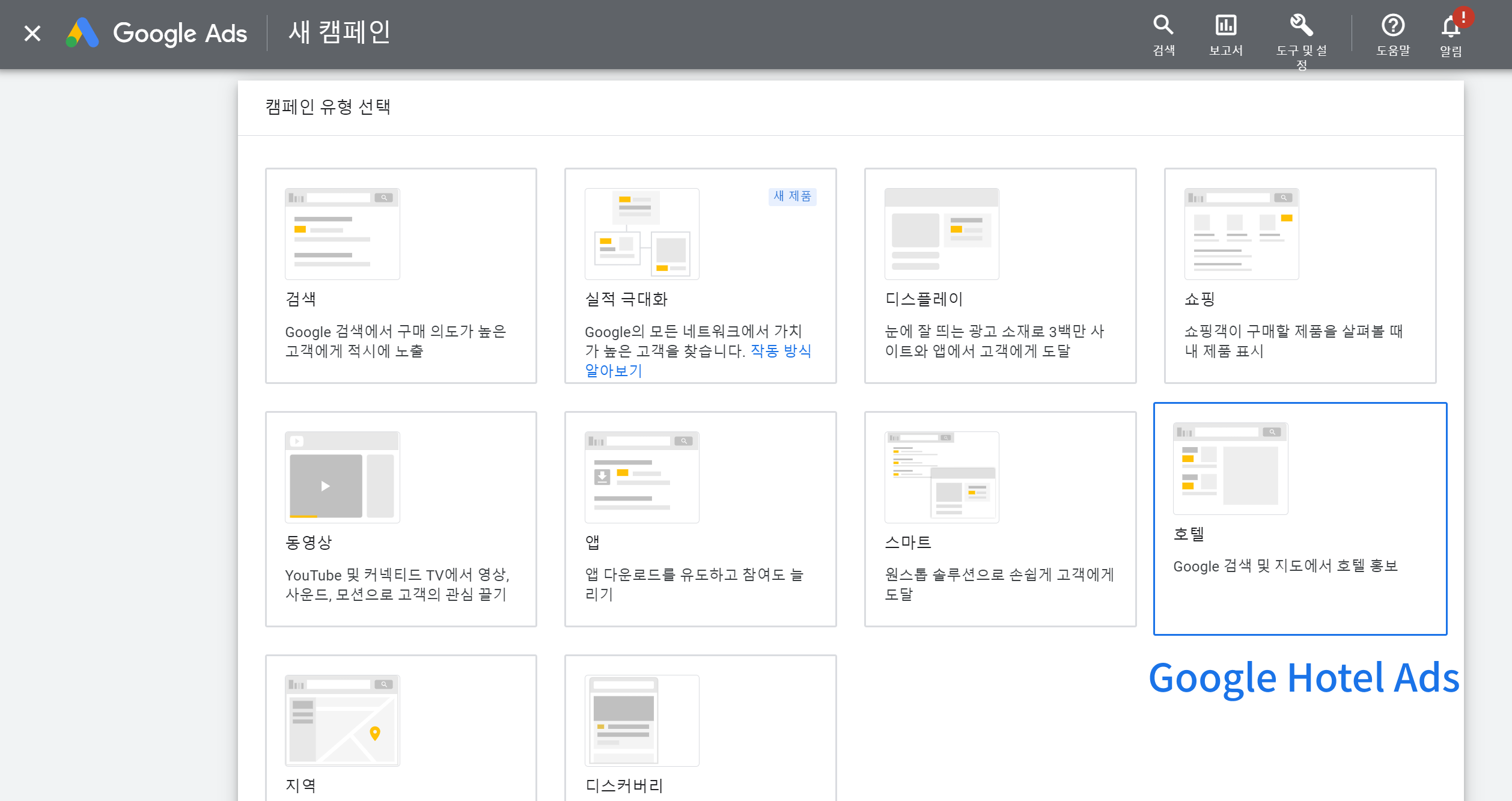
But running ads yourself? Not easy. Even if you don't manage campaigns in-house, understanding the process makes working with partners way smoother. This post covers Google Hotel Ads — the essentials every hotel manager should know.
Where do these ads show up?
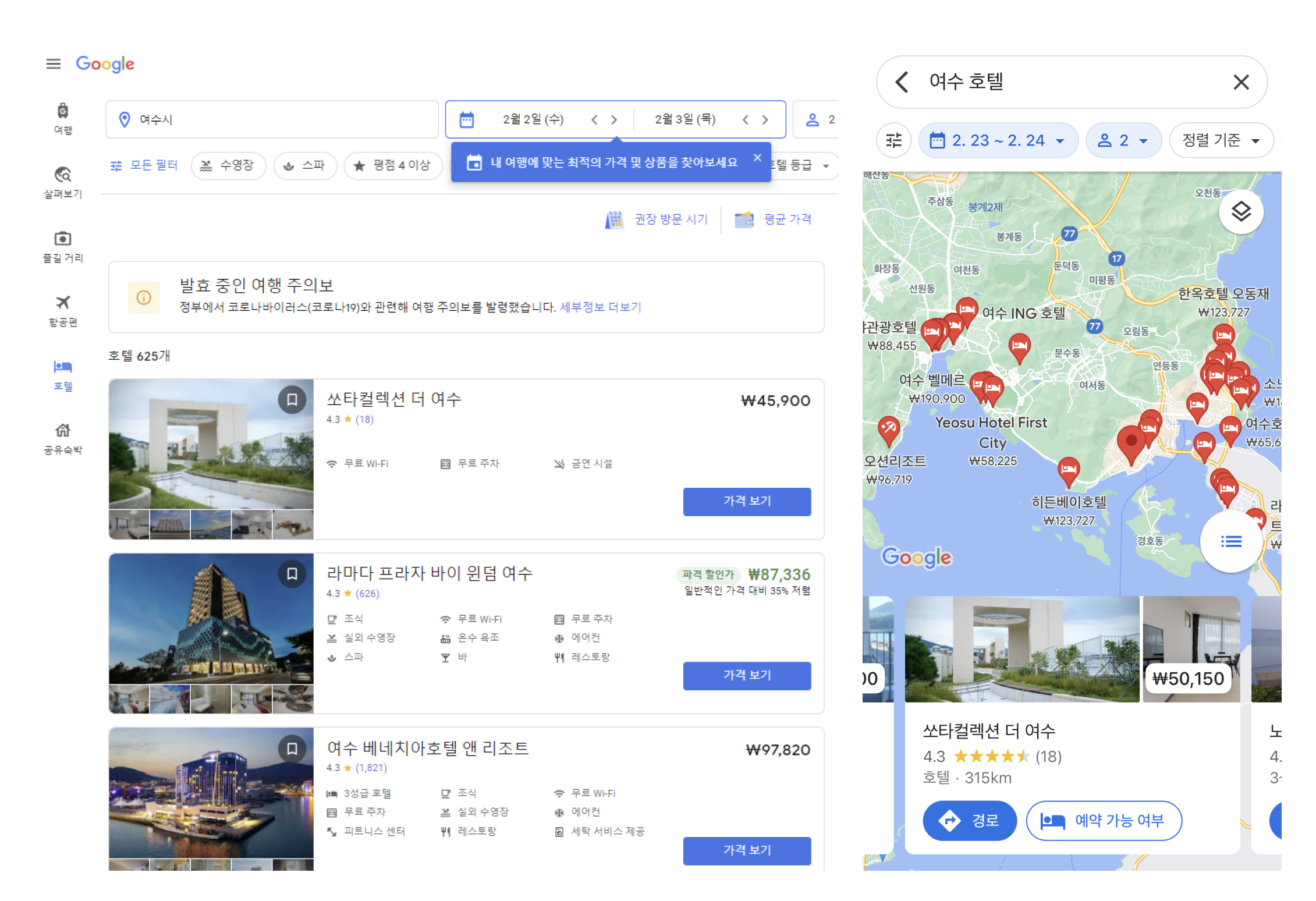
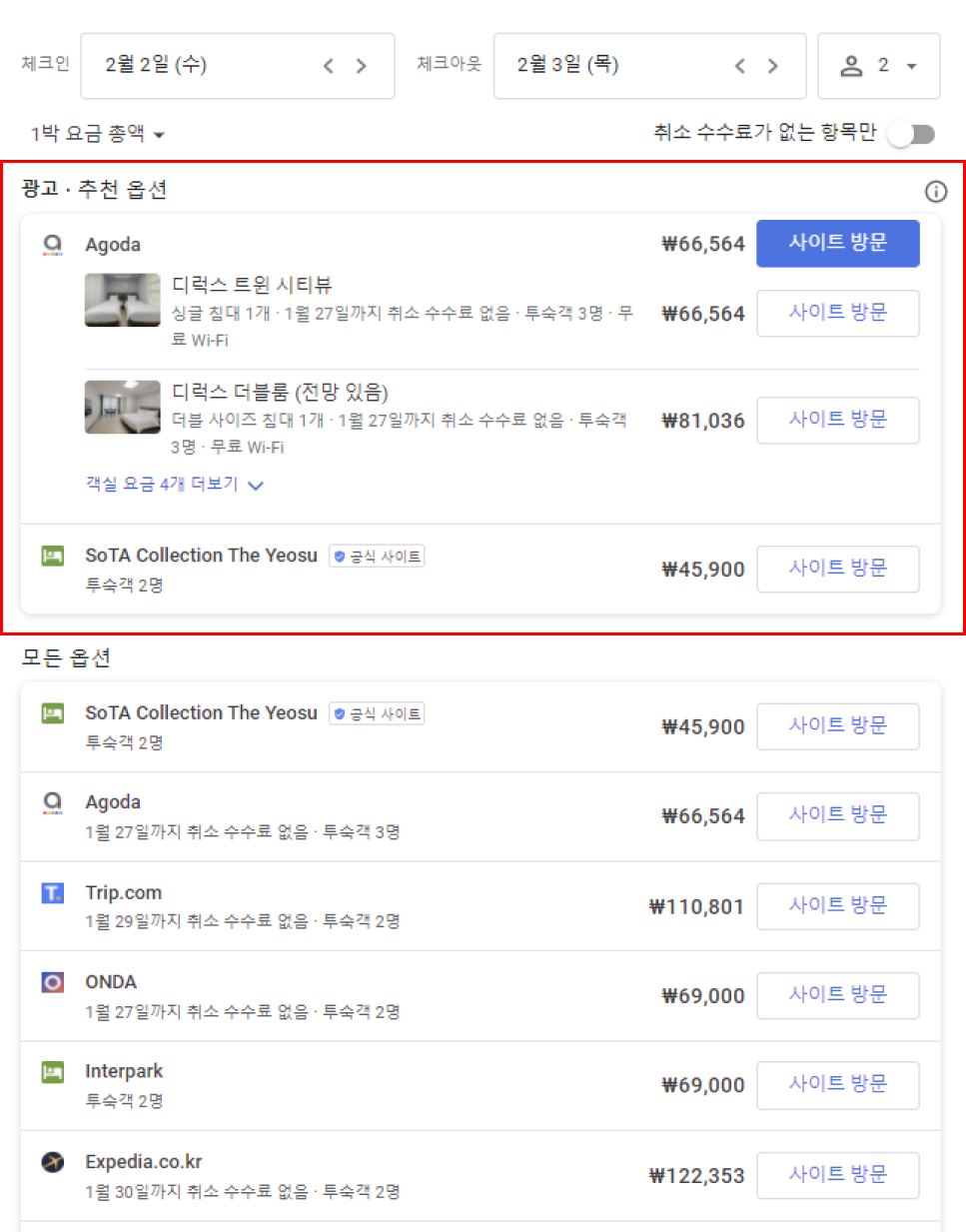
When someone searches for hotels on Google Search or Google Maps, they see a hotel module — hotel names, photos, prices, and a map. Click a hotel, and you get booking links with live pricing.
What do you need to get started?
Three things: a Google My Business account, a Google Ads account, and a Connectivity Partner.
Google My Business is your business profile — think of it as your ID card in Google's ecosystem. Google Ads is the ad engine. But the critical piece? The Connectivity Partner. They send your ARI (Availability, Rates, Inventory) to Google. Without accurate ARI, customers see outdated info. This requires developer work — not something most hotels can do alone. That's where Connectivity Partners come in: they handle the technical integration between your hotel and Google Hotel Ads.
Check Google's official partner list here. (ONDA is on it.)
How does the process work?
[1] Register Your Google Business Profile
Hotels need to give Google accurate property info — so guests can find you, locate you, and reach you. Google also needs to verify ownership. All this happens through Google Business Profile, a free tool. Step-by-step guide here.
[2] Send ARI (Availability, Rates, Inventory)
A Business Profile shows up on Google Search and Maps — but without pricing. If the profile helps guests find you, pricing and booking links help them book you. Sharing rates and availability boosts conversion.
To send ARI to Google, you need a Connectivity Partner — the company behind your booking engine, channel manager, or PMS. If they're a Google official partner, reach out directly. If not, fill out this form. Google will contact them.
(ONDA was Korea's first official Google Hotel partner. Even if you're not using ONDA services, we can help with the entire process — from system integration to ARI transmission.)
[3] Launch Your Campaigns
Once ARI is flowing through your Connectivity Partner, they can also run your ads. The partner links your Google Hotel Center account to your Google Ads account and launches campaigns. What hotel managers should focus on: bidding strategy. Three main options:
Commission Bidding (Per Stay / Per Conversion)
- Commission (per stay): Pay only for completed stays, not clicks. Canceled bookings don't incur charges.
- Commission (per conversion): Pay when a booking is made, regardless of cancellation.
- Downside: Google sets bid amounts automatically. You can't control min/max limits.
CPC % Bidding
- Pay per click based on a % of room rate. Set bids by keyword, location, group, etc.
- Example: If a room costs ₩100,000 and you set CPC % at 1%, your max CPC is ₩1,000.
- Downside: You pay even if the click doesn't convert.
Manual CPC & Enhanced CPC
- Manual CPC: Pay per click. You set max CPC yourself.
- Enhanced CPC: Auto-adjusts manual bids up or down based on conversion likelihood (used alongside Manual CPC).
- Downside: You pay even if the click doesn't convert.
We've covered what Google Hotel Ads is, what hotels need to prepare, and real bidding strategies. Unlike standard Google Ads, Google Hotel Ads requires ARI integration — which makes it more complex. Hotels can do it themselves, but it's genuinely hard.
That's why official Connectivity Partners like ONDA exist. ONDA runs Google Hotel Ads for partner properties and drives real bookings. If Google Hotel Ads feels daunting, talk to ONDA.