43% of Koreans now travel with grandparents and grandkids to build family memories. Hotels and resorts are winning big, but coordinating across generations brings real friction.
Hope everyone's made it back to work after the long Chuseok holiday without too much jet lag. I'm still dragging a little. Wishing you all a smooth transition back to the daily grind.
Chuseok used to mean heading home to visit relatives. These days, it also means multigenerational family trips are exploding. Booking.com just released research on trips spanning grandparents to grandkids — what they call "generational voyage travel." Let's dig in.
Why travel together? Because we're family
According to the study, 43% of Korean respondents say the biggest perk of multigenerational travel is "building lasting memories and deepening family bonds." Another 40% cite "reconnecting with relatives we rarely see."
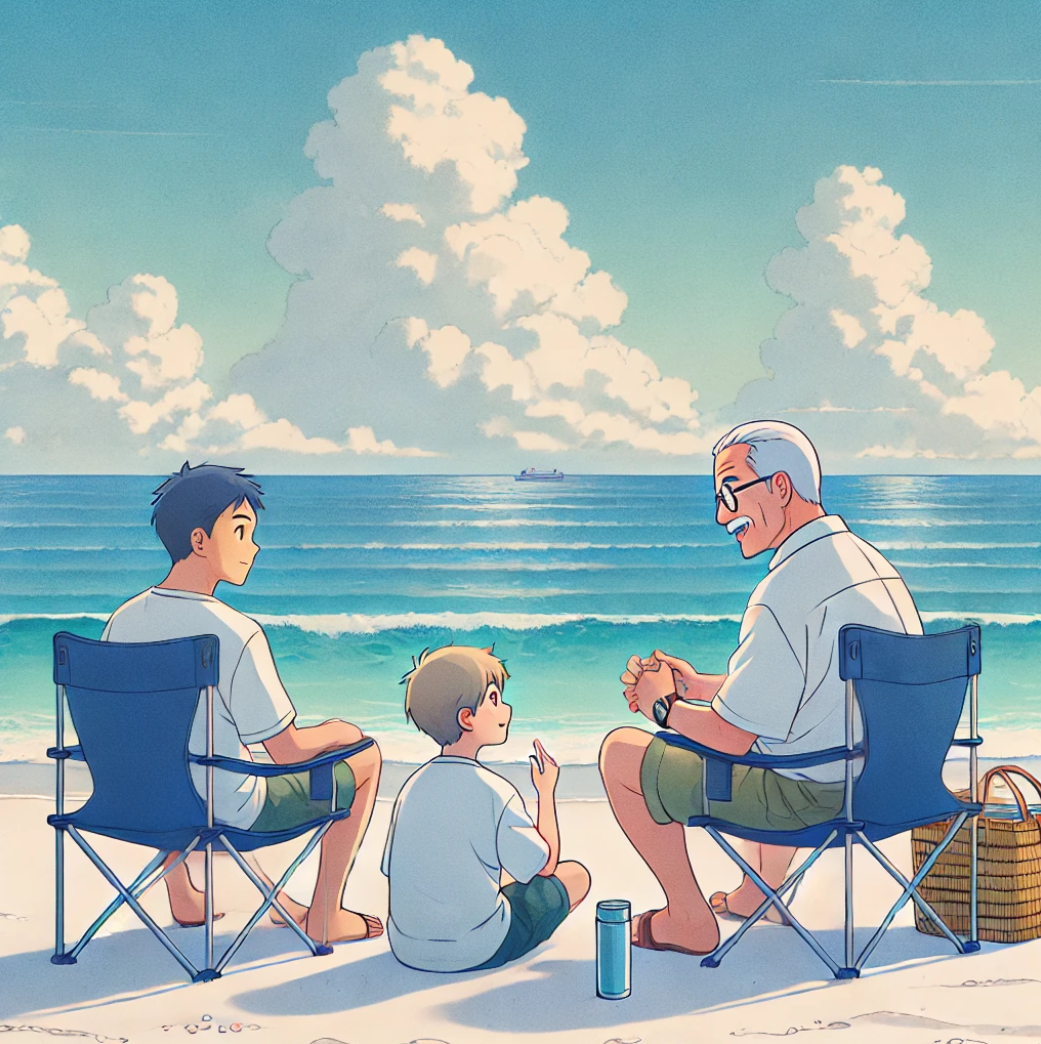
The sweet spot for trip length? Four to six days. As for lodging, 56% prefer hotels and 44% prefer resorts — both figures higher than the Asia-Pacific average.
Makes sense. When you've got a big group moving together, you want seamless hospitality: easy meals, low logistics friction. Hotels and resorts deliver that.
But it's not all smooth sailing. The survey also surfaced pain points: "health and safety concerns" (22%), "varied dietary needs" (20%), and "conflicting expectations" (16%).
Anyone who's played mediator on a family trip knows the drill. I have thoughts. I'll keep them to myself. 😅
So is this trend actually growing in Korea? Data from the Korea Tourism Organization shows that between April–May 2022 and 2023, social media mentions of "3-generation travel" jumped 35.5%. Mentions of "filial piety trips" surged 53.5%.
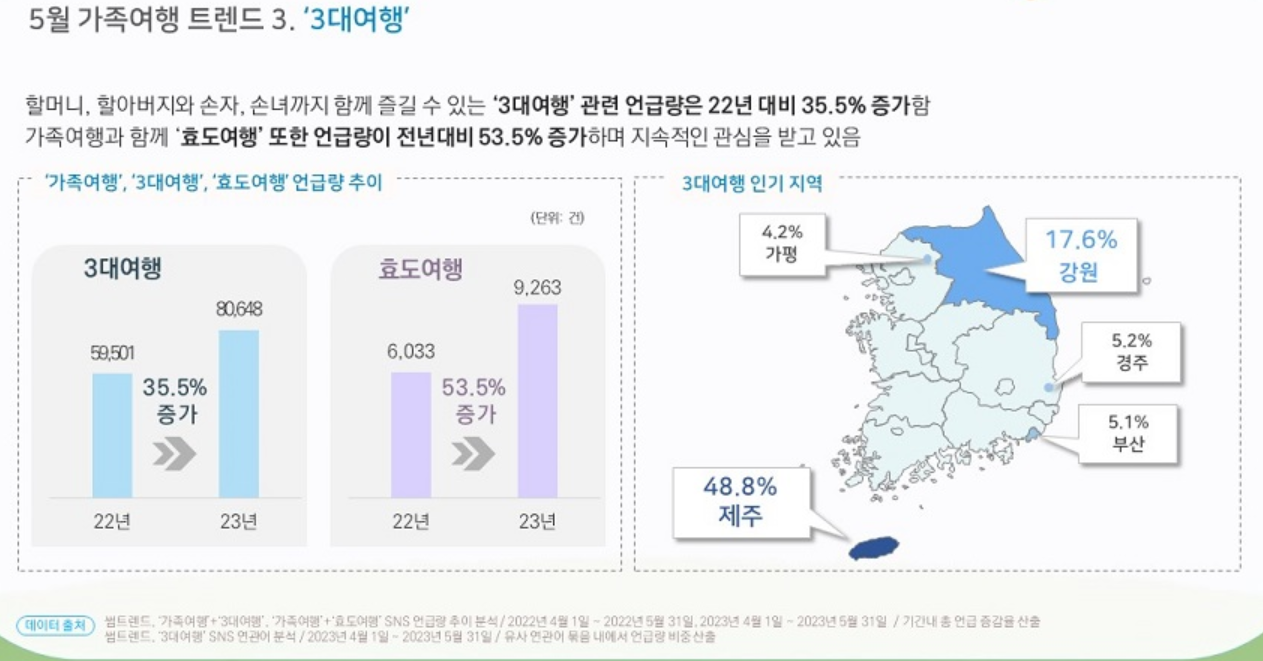
And where are these families going? Booking.com data shows the domestic destinations with the biggest year-over-year search spikes (2023 vs. 2024) include Suncheon, Ulsan, Changwon, Goyang, Jeju Sehwa-ri, Gunsan, Suwon, Bucheon, Uljin, and Sokcho. Most are coastal. Beaches still reign supreme for family getaways.
I almost wrapped here, but then wondered: what about the opposite trend — solo travel? Turns out one in ten Korean travelers now books solo trips.
Solo travel skips the coordination headaches. No compromising on dates. No guilt about pivoting plans mid-trip. New terms are cropping up: hon-camping (solo camping), hon-hiking, hon-cation (solo staycation).
Family trips are growing. Solo trips are growing. The hospitality industry has to serve both — and everything in between. That's the challenge.