Of all five senses, smell is the only one that can trigger both memories and emotions tied to a specific scent. That's why leading hotels treat signature fragrances as a core part of the guest experience — and why smaller properties should, too.
Of all five senses, smell is the only one that can trigger both memories and emotions tied to a specific scent. That's why leading hotels treat signature fragrances as a core part of the guest experience — and why smaller properties should, too.
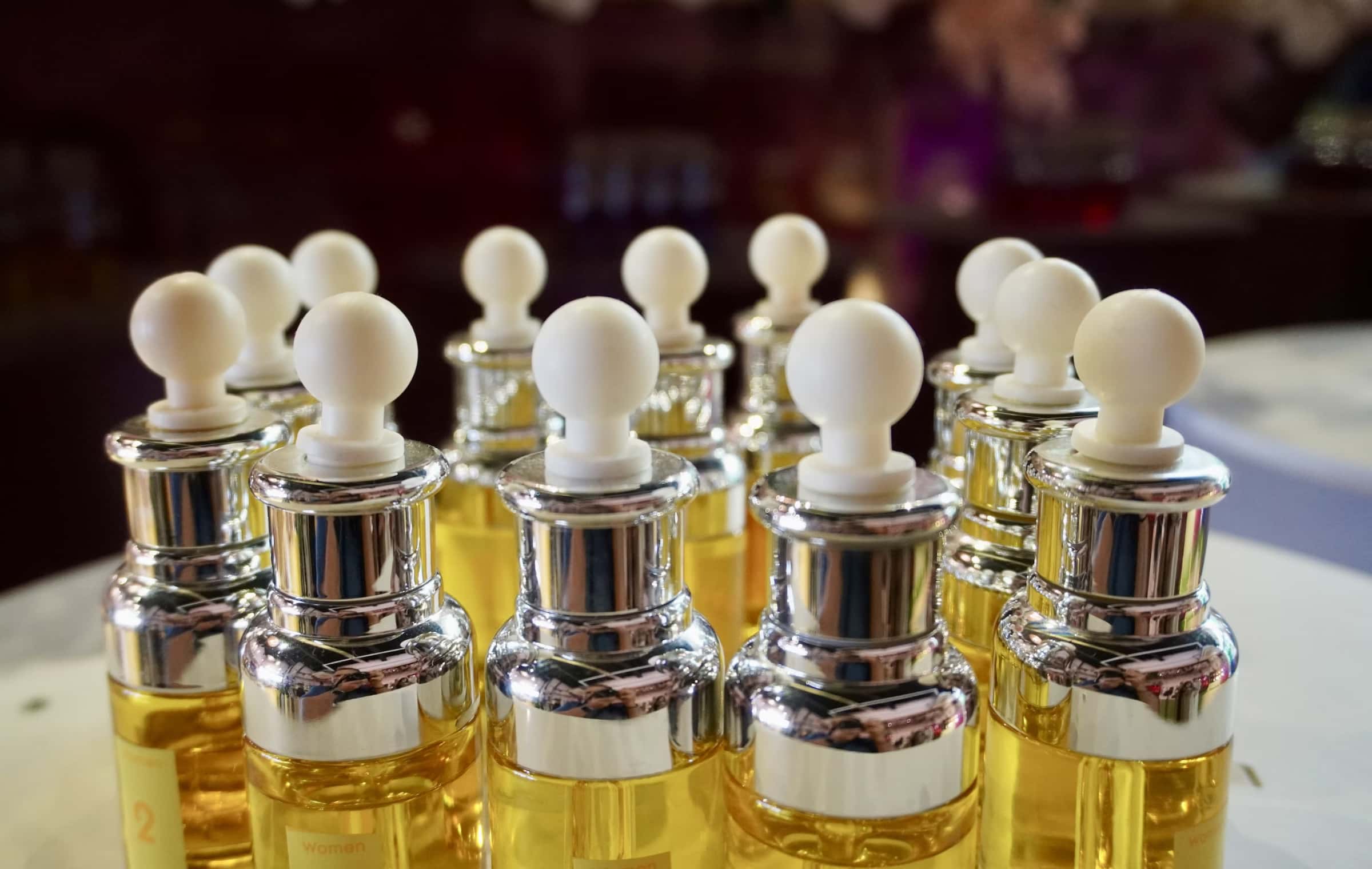
Whether it's a collaboration with a perfume house or an in-house blend, a hotel's scent becomes part of its brand. The idea: link a distinctive fragrance to the stay so that guests recall that experience every time they return. But is scent branding really exclusive to hotels?
Not anymore. As standalone villas and premium pension properties gain traction, smaller operators are starting to think like brands. Beautiful interiors and clean linens are table stakes — scent can be the differentiator.
Why Smell Matters
A survey of 300 Korean consumers found that over 80% consider a pleasant scent important during their stay. Even more striking: 88% said they'd revisit a destination where the property smelled good. For Korean travelers, olfactory experience isn't a nice-to-have — it's a driver of loyalty.

Create a Consistent Scent Signature
You don't need to commission a custom fragrance. Use off-the-shelf diffusers or room sprays — just keep it consistent. Stock the same brand and scent in every room, or rotate seasonally and market it ("This spring, we're featuring lavender in all guest rooms"). Turn your scent into a content hook.
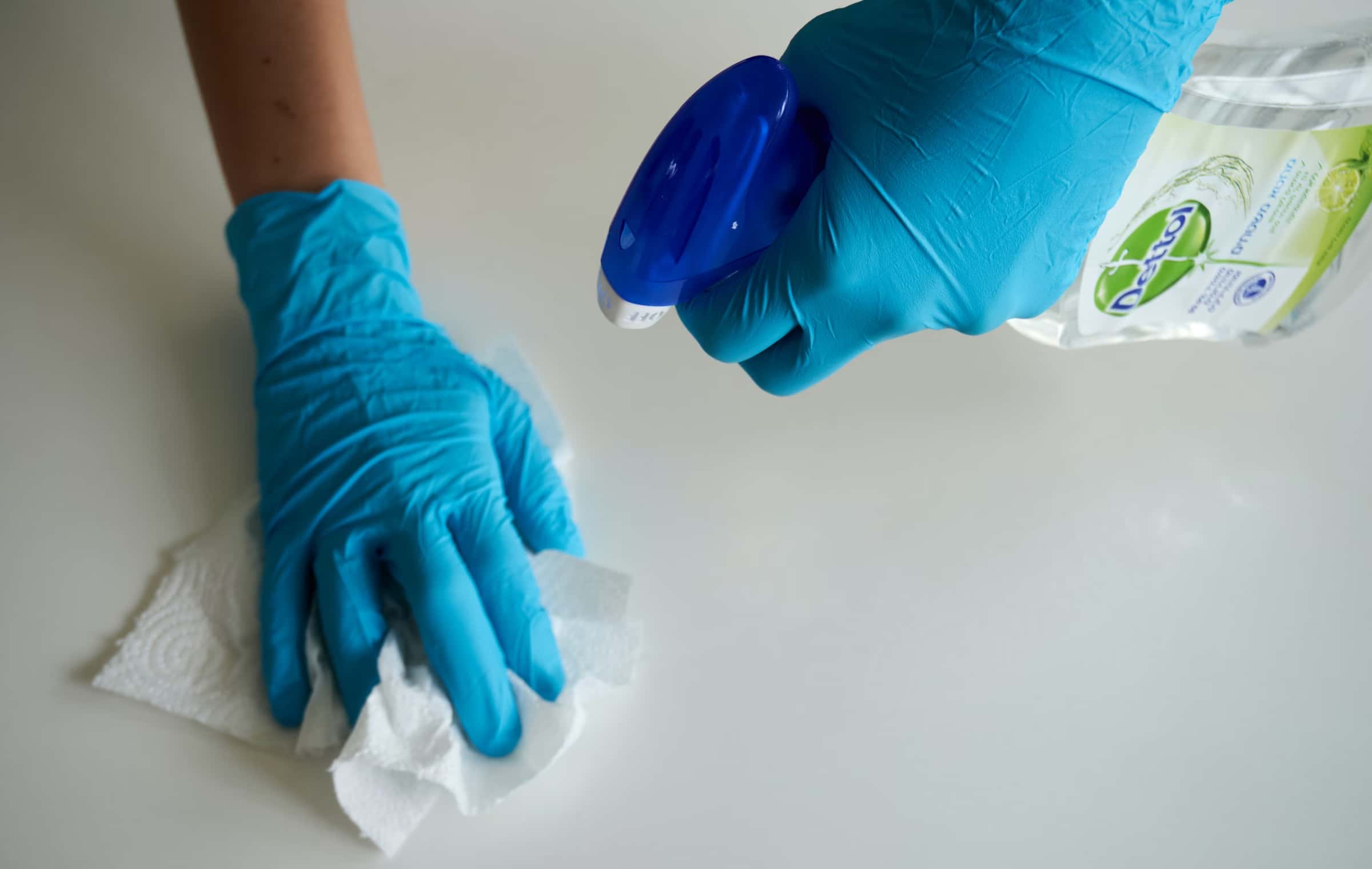
Eliminate Bad Smells First
A good scent can't mask a bad one. If you're using fragrance to cover up cigarette smoke, bathroom odors, or kitchen smells, guests will notice — and they won't come back. Ventilate regularly. Use coffee grounds for odor absorption. Pour baking soda and boiling water down drains to neutralize sink smells. Fix the source before you layer on fragrance.
Don't Overdo It
What smells subtle to you might trigger a headache for someone else. Personal tolerance for scent varies widely. In enclosed spaces, fragrance intensity compounds fast. Use sparingly — one diffuser per room is usually enough.