As key infrastructure for the MICE industry, what should hotels be preparing?
The Hotel & Travel Industry Through the Eyes of an 18-Year MICE Expert
07. 3 Things Hotels Must Consider to Win MICE Business
Writer: Shin Seong-cheol, CEO, Moment Studio
Editor: ONDA Manager Lee Chae-eun
MICE events that went dormant during COVID are now coming back to life across the country. By 2030, Seoul is set to complete 'three major MICE clusters' in Jamsil, Seoul Station, and Magok. With all eyes on MICE as a catalyst for tourism and regional economic growth, what should hotels—the backbone of MICE infrastructure—be doing to prepare?
Hotels: Core Infrastructure for MICE
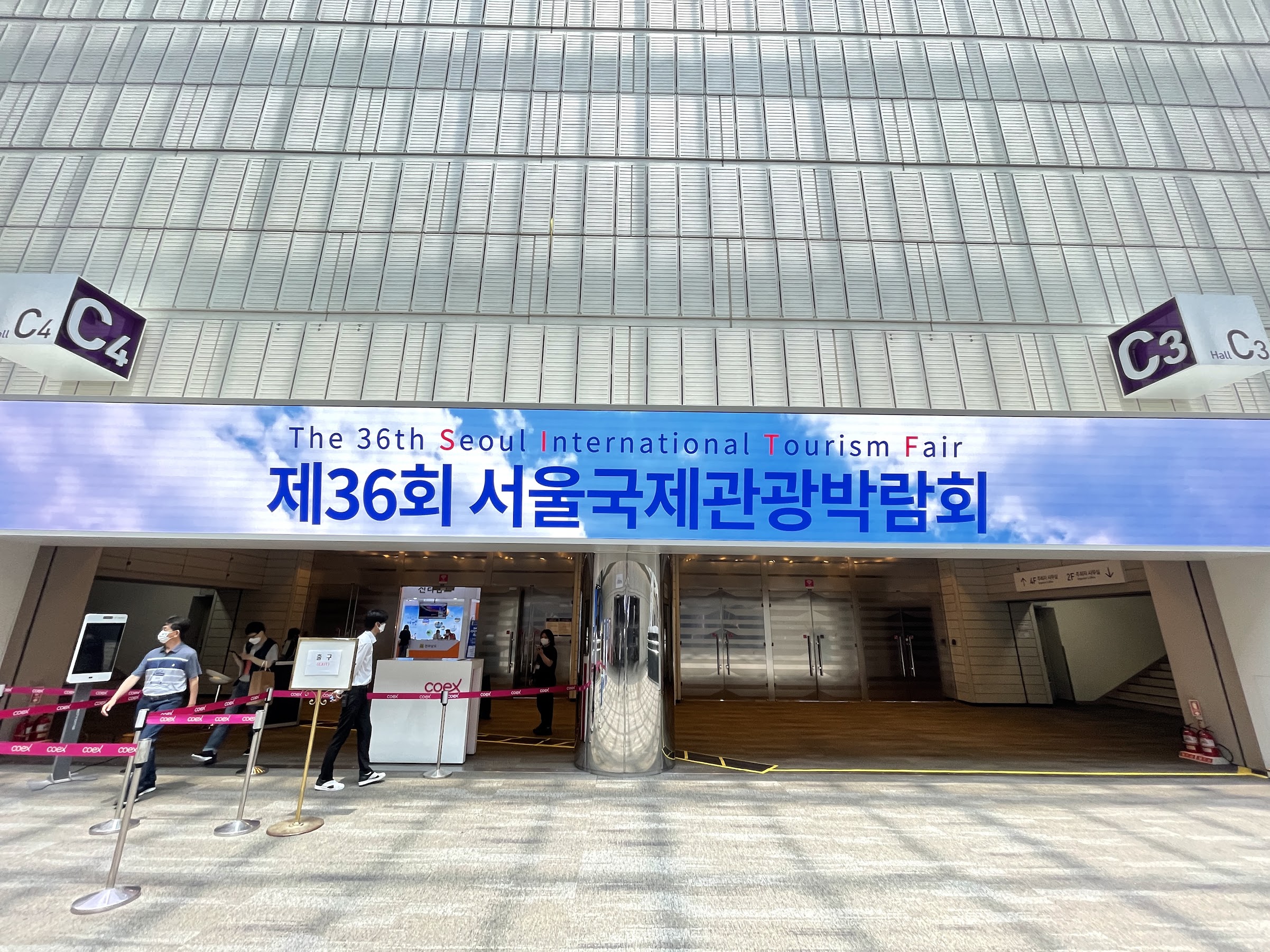
The MICE industry used to go by names like "convention" or "international exhibition." Once the government realized how much international exhibitions could drive foreign tourism, it started building large-scale exhibition centers in major cities and actively courting events.
The spin-off activities from these exhibitions were grouped under the acronym MICE: Meeting, Incentive Tour, Convention, Exhibition. Through interconnected value chains, MICE became a high-value-add tourism sector for nations, regions, and businesses.
The MICE ecosystem has three main players: suppliers, organizers, and intermediaries. Hotels sit on the supplier side—providing ballrooms (event facilities), guest rooms for attendees, F&B services, and more. They can also step in to support organizers.
In other words, hotels with the right infrastructure directly shape the growth of MICE—and tourism more broadly.
Three Factors That Make or Break MICE Events

The three factors above are top priorities when planning MICE events. How do they impact outcomes? Let's walk through what hotels need to deliver as MICE infrastructure—with real examples.
1. Facilities
There's a global chain hotel in Gangnam, Seoul—five minutes from a subway station, convenient access, multiple ballroom sizes. It used to be a client favorite.
The dealbreaker? The projector. This basic piece of equipment was ancient and had never had its lamp replaced. Presentations and video playback were barely visible. The image was hazy from poor maintenance.
We had to rent additional projectors with 12,000 ANSI lumens or higher. This gap in basic equipment didn't just inconvenience the event—it added unnecessary costs.
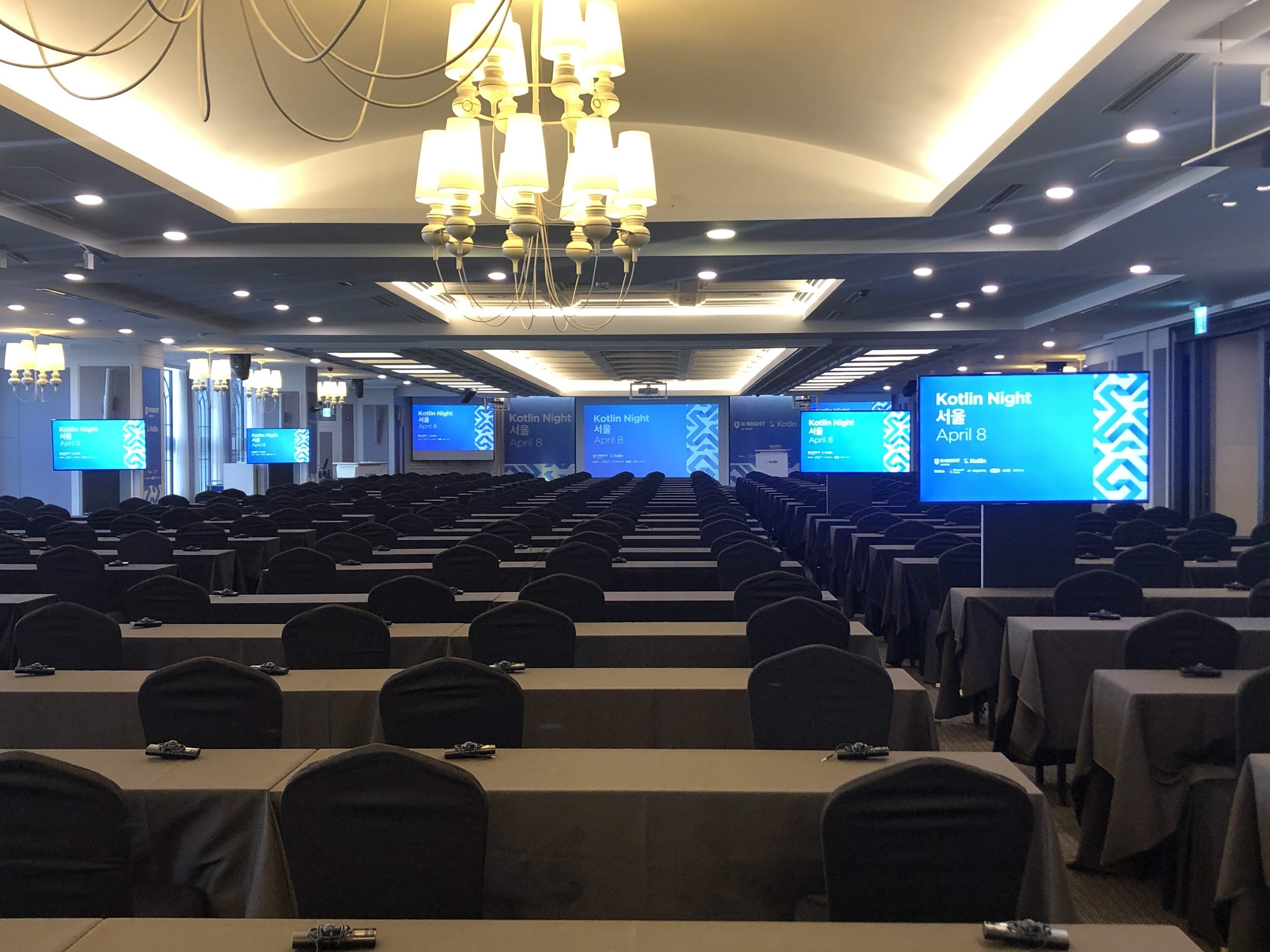
Another example: a convention center that only operates ballrooms. Beautiful interiors, solid systems—agencies and clients loved it. But because it hosted seminars on weekdays and weddings on weekends, maintenance fell by the wayside. The space gradually deteriorated.
Both venues had been top choices. But without upkeep, they eventually dropped off the list.
2. Price
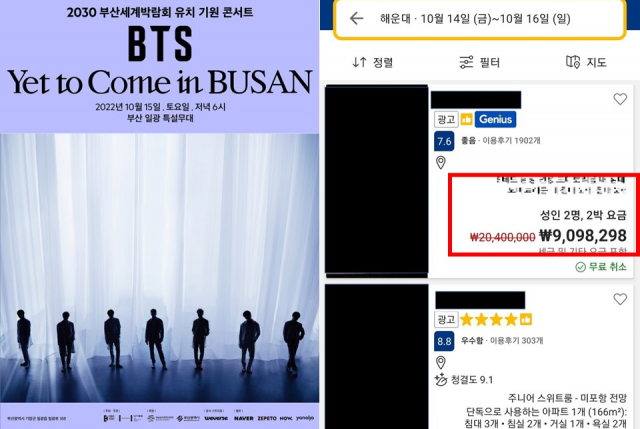
When BTS held a free concert in Busan recently, nearby hotels jacked up room rates to absurd levels. Supply and demand at work, sure—but charging sky-high prices for subpar conditions is short-sighted from a MICE perspective. It kills any chance of return visits.
Another case: the 2002 World Cup. Chinese and Japanese tourist arrivals in Korea dropped to one-third of 2001 levels. Why? Travel costs during the World Cup period had spiked 4–5x compared to the previous year.
"Strike while the iron is hot" is good advice—adjusting prices during major events makes sense. But from a MICE lens, aggressive price hikes tank repeat business.
When there's no special event, most planners prioritize value for money. Think of conference rooms at COEX or BEXCO—publicly owned convention centers with competitive pricing.
Does that mean mid-sized hotels have no shot? Actually, the opposite. Even a single ballroom for 30–50 people can attract seminar and workshop bookings. Package it—say, "book 15+ rooms, get the ballroom free"—and word spreads fast. If you're in the city center, you can compete on price against 4- or 5-star hotels.
3. Location
Big cities like Seoul and Busan with solid transit—especially near subway stations—are preferred by both organizers and attendees. COEX is a prime example: central location, ample parking, easy access for everyone.
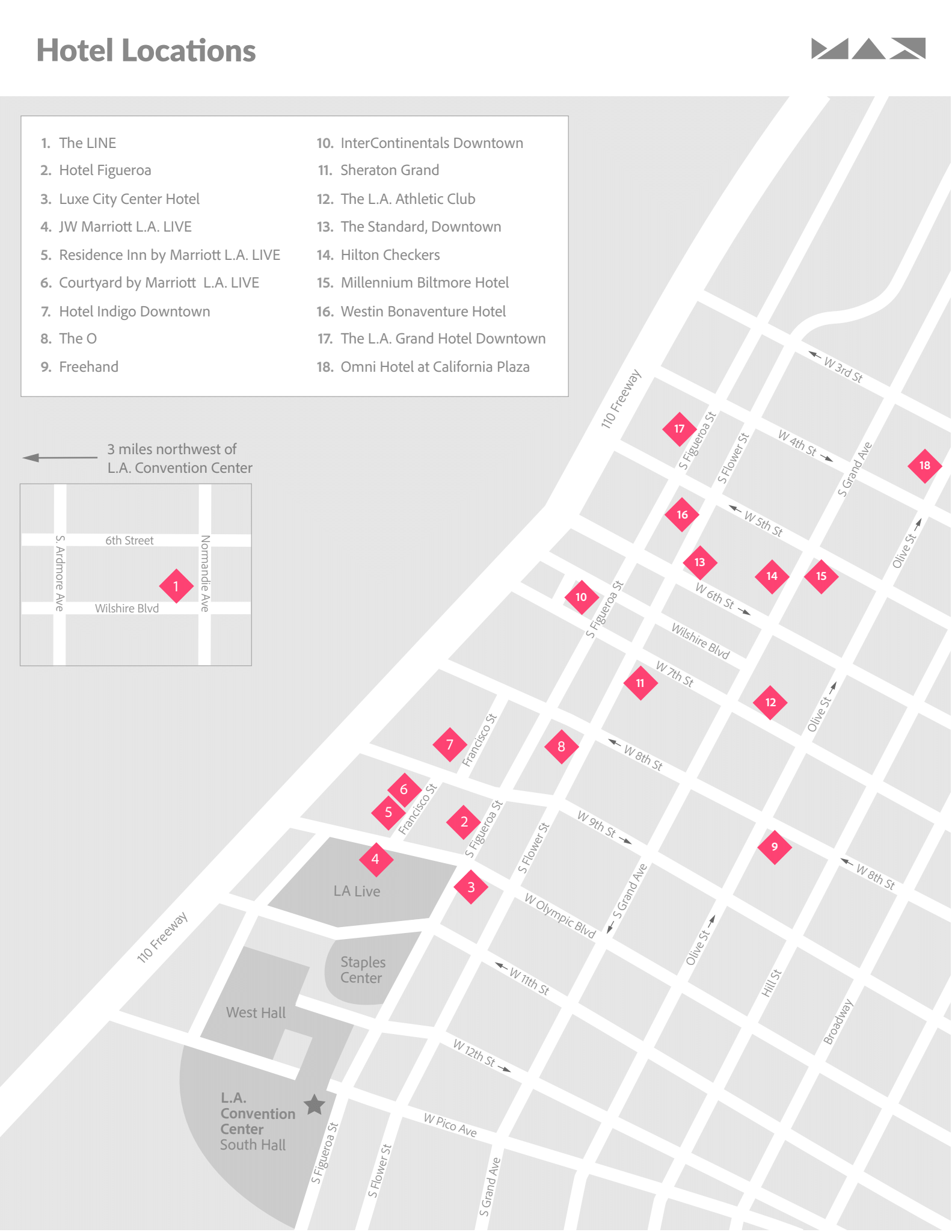
San Francisco's Moscone Center has ~100 hotels within walking distance. Most attendees can get around on foot. That's why SF hosts so many conventions and conferences.
Compare that to KINTEX in Ilsan. No nearby subway, no nearby hotels. International buyers and out-of-town attendees have to stay 10–15 minutes away by car—adding friction to event participation.
Accessibility is a huge deal for attendees. At minimum, MICE events need to address this.
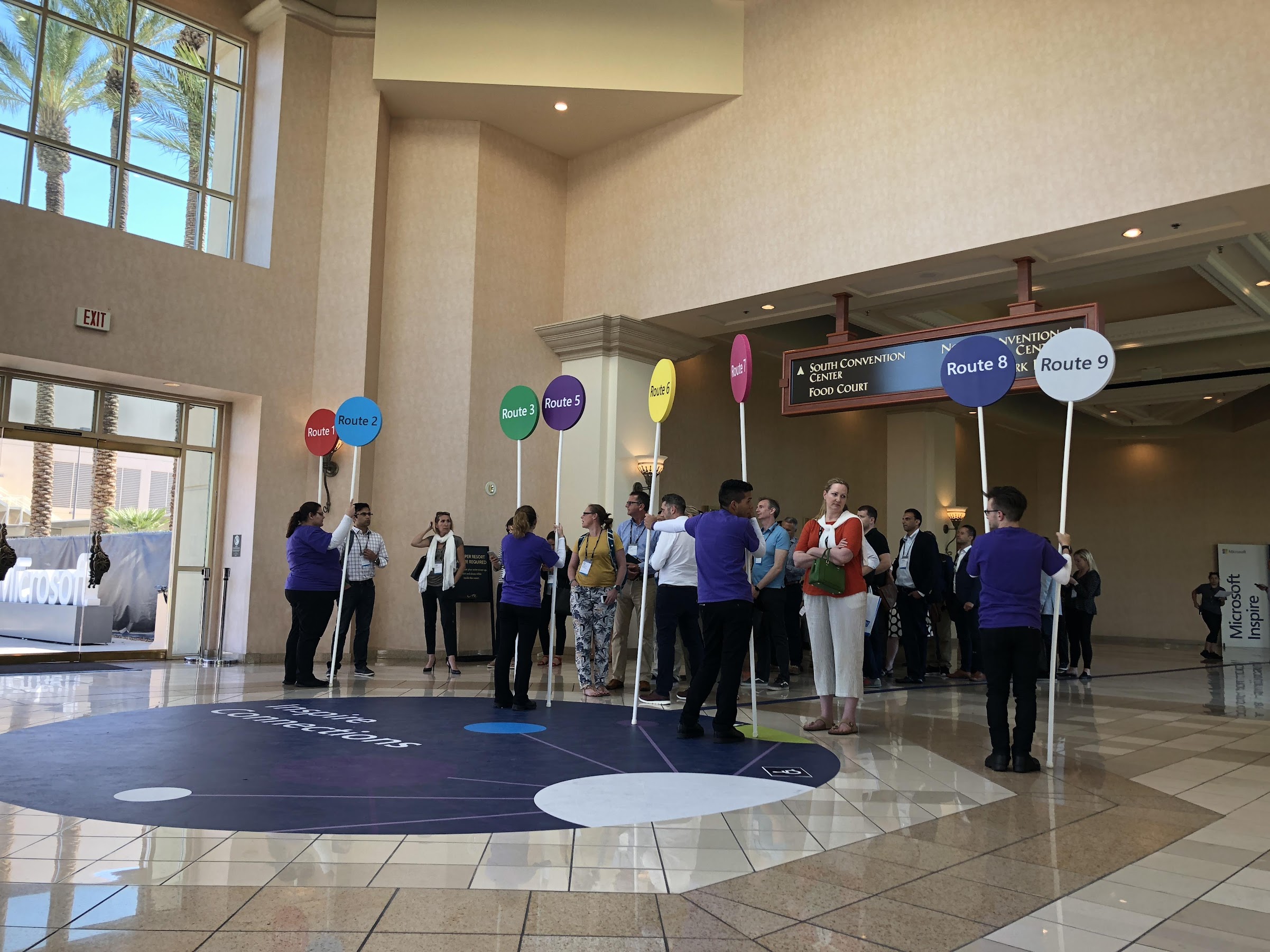
Those are the three critical factors for MICE success.
Host an event in a place with weak infrastructure, and attendance suffers. Poor attendance means the event flops. That's why infrastructure matters—and hotels are at the center of it. At minimum, hotels should account for these three factors. If you can't build out infrastructure, offer shuttles or new services to bridge the gap.
As I've mentioned before, maximizing occupancy drives baseline revenue. But MICE events unlock incremental revenue through ancillary facilities and F&B—making a real impact on top-line growth. Instead of chasing one-off gains, take a long-term view of MICE. It's not just repeat hotel bookings—it's a lift for the entire tourism ecosystem.
📖 Series Index
01. How Do You Define Your Property?
02. How COVID-19 Changed Travel Trends
03. The Endemic Era: From Value-for-Money to Value-for-Heart Travel
04. Revenue Booster for Hotels: MICE Programs
05. MICE Trends in the Post-COVID Era
06. Why Your Property Needs Its Own Content
07. 3 Things Hotels Must Consider to Win MICE Business