ONDA tested live commerce for a year to replace COVID-hit sales channels. Single broadcasts moved ₩30-100 million in hotel inventory. Here's what worked, what didn't, and why negotiation beats slick production.
Live commerce has exploded over the last couple of years as a new way to sell online.
It looks like TV home shopping — but the seller (show host) acts more like a solo YouTuber. They do mukbangs, try things out, and weave in product pitches naturally. Meanwhile, viewers chat with each other in real time. Before you know it, impulse purchases happen.
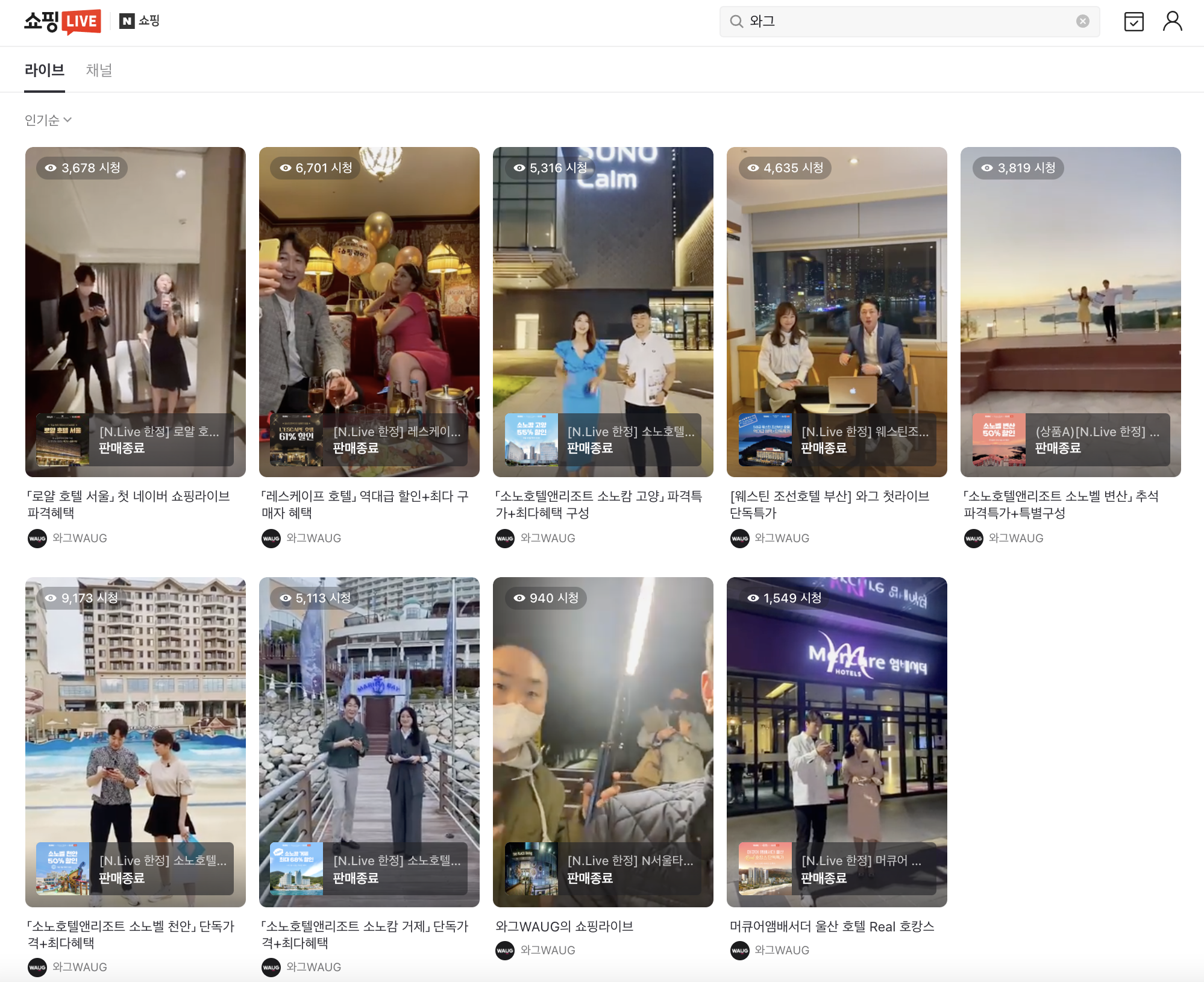
Major e-commerce platforms like Naver Shopping and TMON run live streams, and pure-play live shopping apps are winning big audiences. ONDA ran about ten live commerce campaigns last year with our partners. Since connecting partners to good sales channels is core to what we do, we wanted to test this ourselves. (Learn more about ONDA's sales agency service here.)
We've gotten properties featured on major platforms and generated strong sales. We've also gone scrappy — one of our partner company managers broadcast live straight from their smartphone. Here's what we learned from a year of live commerce experiments.
Live commerce is no longer a novelty
"ONDA's RG (Revenue Growth) team is always studying new channels and staying open to them."
"We've been watching live commerce since 2020. Once we learned that a single broadcast on a major platform could move ₩100 million in hotel and resort products, we went all in on testing it." (Aaron, ONDA RG team)
Last year was the perfect time for experiments. Hotels and resorts with lots of inventory needed 'something' to replace the sales channels COVID had wiped out. Online platforms needed fresh products to meet surging domestic travel demand.
In our experience, a properly executed live stream generates at least ₩30–50 million in sales. The best cases topped ₩100 million. Commission rates hover around 5–10%, but since the market is young, you can often negotiate. Live commerce isn't just a vanity channel — it's a real revenue lever.
Also, whereas TV home shopping used to be about clearing inventory, today's format is more of a marketing channel — introducing new products, giving consumers a great experience. Live commerce does that job, but it's lighter and more accessible than TV home shopping. Plus you get real-time interaction with viewers.
How does a live commerce campaign actually work?
So what does the process look like?
Hotels usually face two big decisions: Do we go with Naver, or pick another platform? And if we go with Naver, do we run our own channel, or partner with an established seller?
ONDA chose to collaborate with partners who already run successful Naver Shopping channels. Working with specialists reduces risk.
But picking a platform isn't just about brand name. There's more to consider. For example:
"Some live commerce platforms look great from the consumer side, but the backend — registration, settlement — is a nightmare for sellers. We have to step in and do a lot of heavy lifting. Other platforms are super seller-friendly, but the sales just don't materialize." (Logan, ONDA Hotel biz team)
You also need to check: Does the platform handle post-sale follow-up calls? Do they have double-booking safeguards? How's customer service handled? Dig into all of this before committing.
Timing and prep are critical. Generally you need to start planning a month ahead. Coordinate the schedule with the platform. Build out the product you'll sell.
But just going live won't sell rooms.
In a world where you can look up any price with one search, you need to give viewers a reason to wait for the broadcast. There has to be a unique incentive — a special package available only during the stream, a welcome drink upgrade, something to make it worth tuning in.
Then there's the production question. Who films? Who hosts? If you've got a standout property, the platform might handle everything — filming, talent booking, even multiple rehearsals (think broadcast-level production).
Or you can go lean: shoot on a smartphone, hire a freelance show host (they run ₩400,000–₩1 million), and keep it simple.
What's the market like right now?
We've covered the basics. So what's the state of play as of January 2022?
"To be honest, seller interest has cooled a bit compared to last year. But platforms are still reaching out, asking us to bring them name-brand chains and properties — consumer demand is steady." (Aaron, ONDA RG team)
It's good news that platforms still want quality hospitality products. But the fact that some operators have lost interest suggests the reality — workload, results — fell short of the hype.
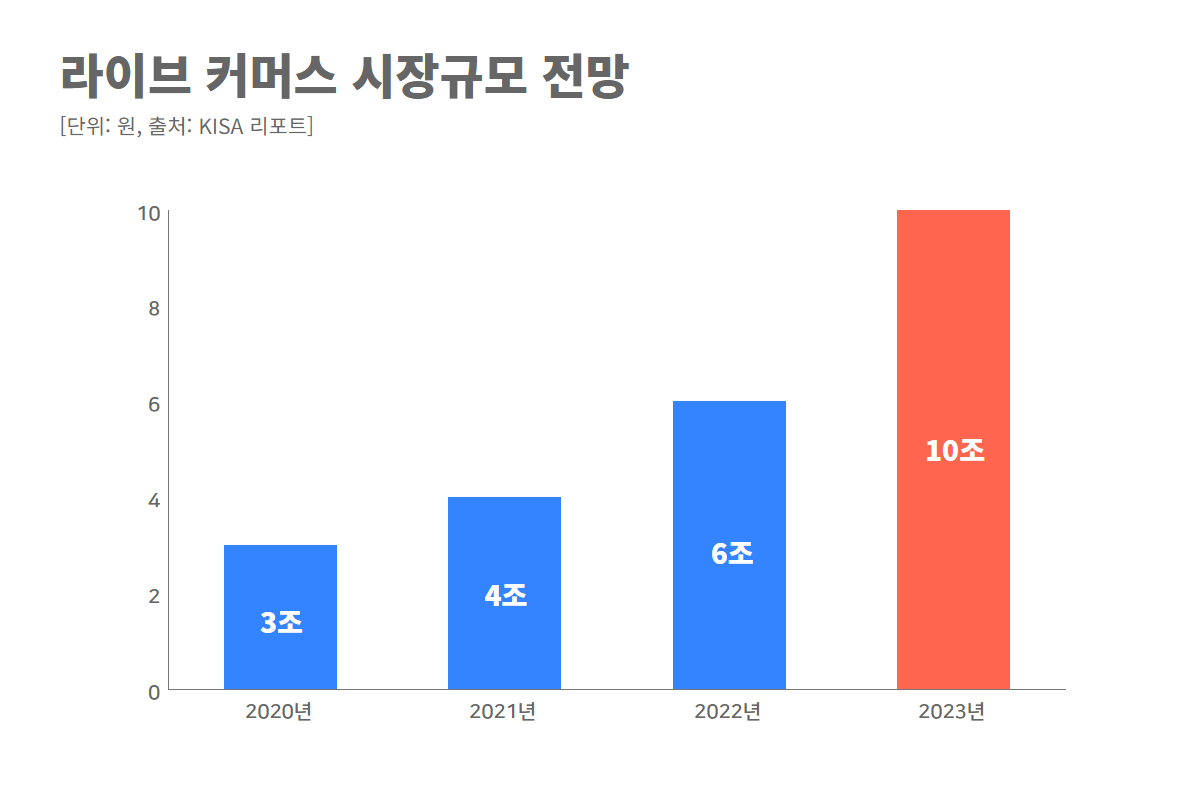
But the live commerce market itself is growing fast, year over year. ONDA will keep monitoring and finding ways to improve our approach and drive more sales.
"When you're heads-down running operations, it's hard to spot emerging opportunities like live commerce. We sit between properties and sales channels, so we usually see what's coming a step or two ahead."
"In any market, there's an information gap between suppliers (hotels) and platforms (OTAs, commerce sites). Our job as a B2B company is to bridge that smoothly. If you're thinking about this, reach out anytime." (Aaron & Logan)
👉 Want to try live commerce for your property?