How did the MICE industry pivot from offline to online?
An 18-year MICE veteran's view of the hotel & travel industry
05. How MICE Changed in the Post-COVID Era
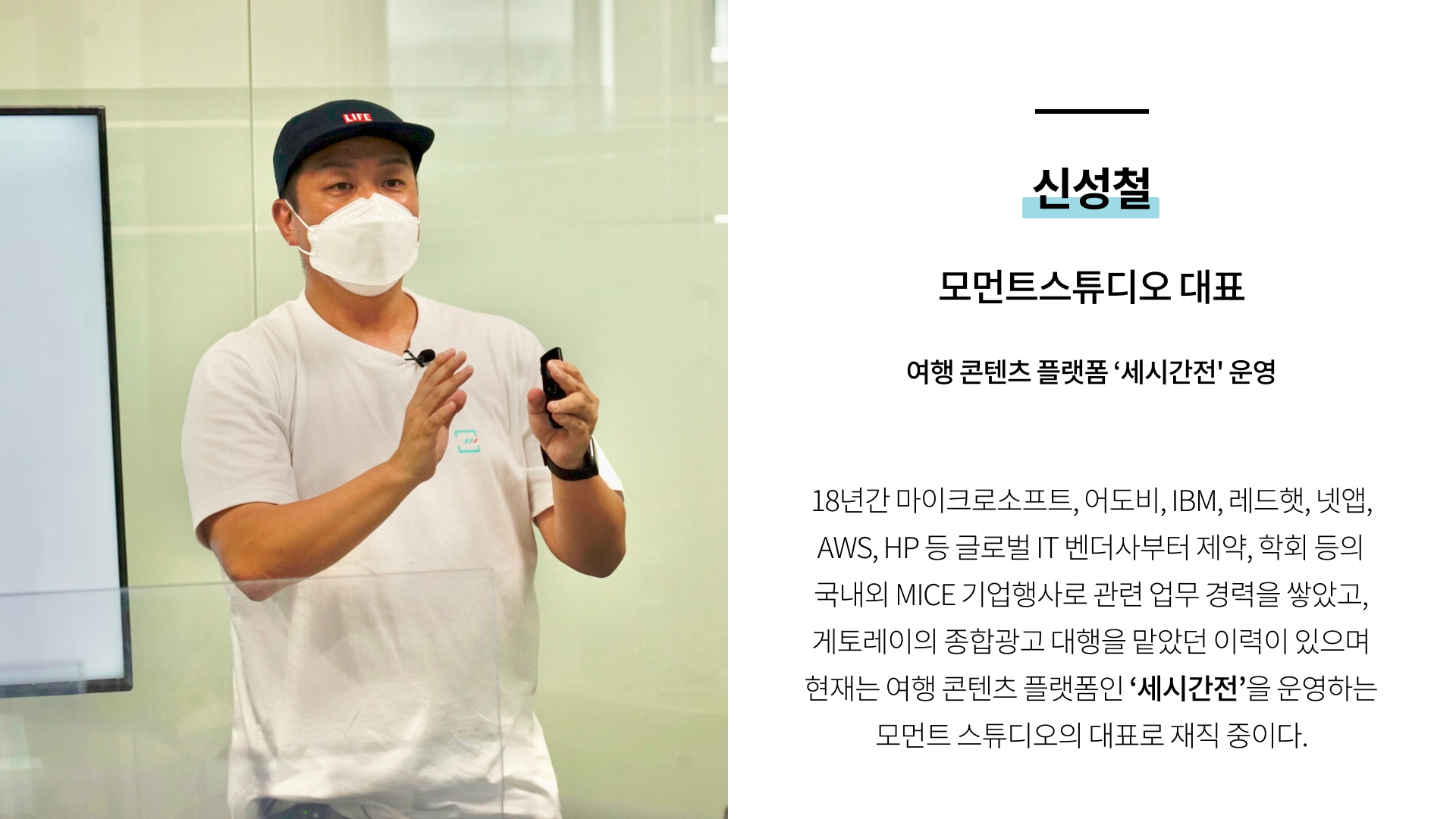
Writer: Shin Seong-cheol, CEO, Moment Studio
Editor: Lee Chae-eun, ONDA Manager
Over the two years since COVID-19 hit, the MICE industry took a beating — just like everything else. Offline players, who'd built thriving businesses around in-person events, struggled the most. But some companies actually grew during the pandemic. The winners? Those who led the digital transformation — moving offline events online.
A few even saw 10x revenue growth. Turns out, companies were hungry for lower-cost, faster ways to reach customers — and online fit that bill perfectly.
So how did MICE shift from offline to online? And what's trending now? Let's dive in.
Online MICE During COVID
In 2020 and 2021 — peak pandemic years — in-person gatherings dried up. Everything moved online. The go-to solution? Video calls. Google Meet, Zoom, Slack Huddles — companies replaced face-to-face meetings with screens.

Events that had been offline-only mostly got canceled at first. But as time went on, organizers pivoted to live streaming. Offline went online.
That's when metaverse platforms exploded. ZEPETO, Gather.town, Decentraland, Roblox — suddenly, brands were building virtual spaces and hosting events inside them.
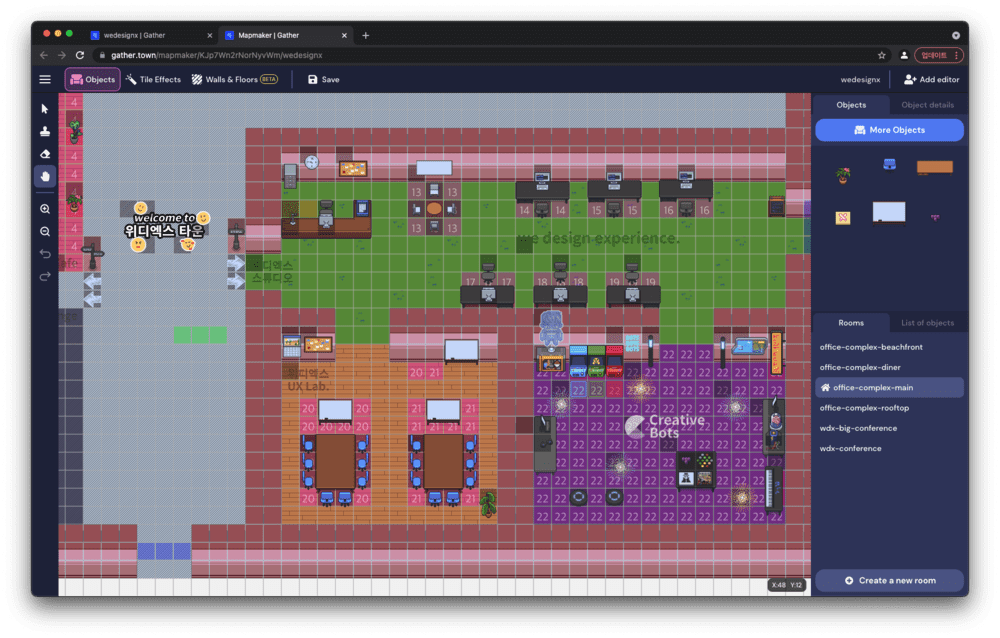

Event organizers tried to recreate offline experiences online. They set up virtual booths, ran mini-events at each one, showed product demos and promo videos — all inside these platforms.
Streaming and metaverse platforms had one big edge over Meet or Zoom: scale. You could host way more people. That made them perfect for MICE — where mass communication is the whole point.
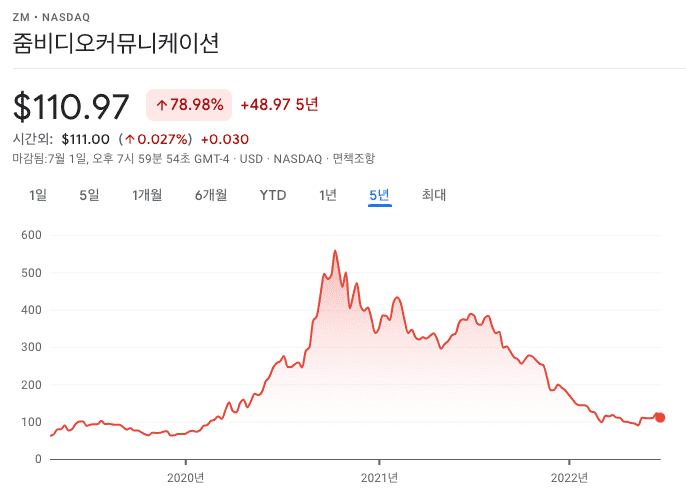
Result? Zoom's stock went from $67 in early 2020 to a peak of $559 during the pandemic. Even now, post-peak, it's still trading near double its pre-COVID price.
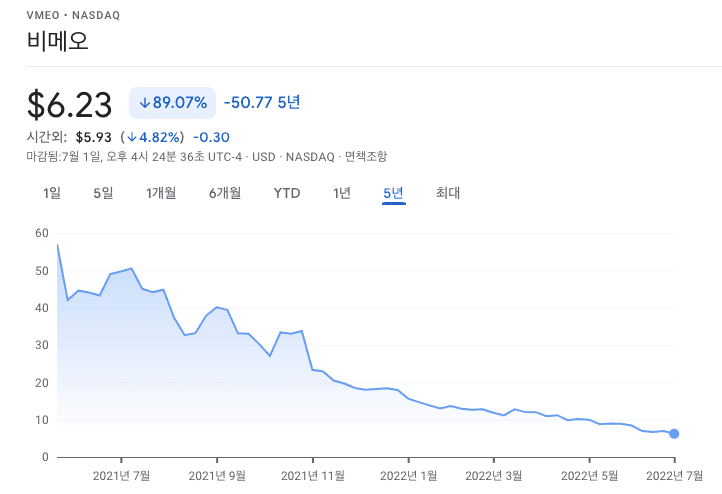
Vimeo, the video and streaming platform, went public on Nasdaq in May 2021 at $58 — right in the middle of the online event boom.
Back to offline — but the trend is hybrid
Here's the thing: online didn't fully replace offline.
As we shifted from pandemic to endemic, events started coming back in person. CES 2022 (the world's biggest consumer electronics show) went offline after being virtual in 2021. MWC (one of the biggest mobile conferences) did the same — back in person in 2021, and announced it'd stay that way this year too.

If online could fully replace offline, we'd have kept doing virtual events. But in industries where sales relationships matter — where you need face-to-face contact — offline still wins.
But here's what's new. Pre-COVID offline events had online registration, then handed out physical brochures and materials onsite. Now, offline events are going hybrid — blending digital into the physical experience.
Instead of unnecessary contact, attendees scan QR codes to access event content on web pages. Gamification is showing up more. Apps are becoming standard.
Platforms like Eventus and Onoffmix used to just handle online registration and make offline events easier to manage. Now they're adding features for online participation — helping event organizers and attendees communicate better, whether they're there in person or not.
This is what digital transformation looks like in events.
Events without content
As MICE returned offline, a few problems surfaced:
- The content developed for online engagement doesn't exist offline
- Most exhibitions and events look the same — no differentiation
- There aren't enough programs designed for Gen Z and Millennials
When events were online, organizers had to fight for attention on a limited screen — so they created engaging content. But offline? Most events lack clear guidelines on tone, format, or content direction. Each organization just does its own thing — and the result is... bland.
Not enough content means lower satisfaction. Simple as that.
What's next for offline events?
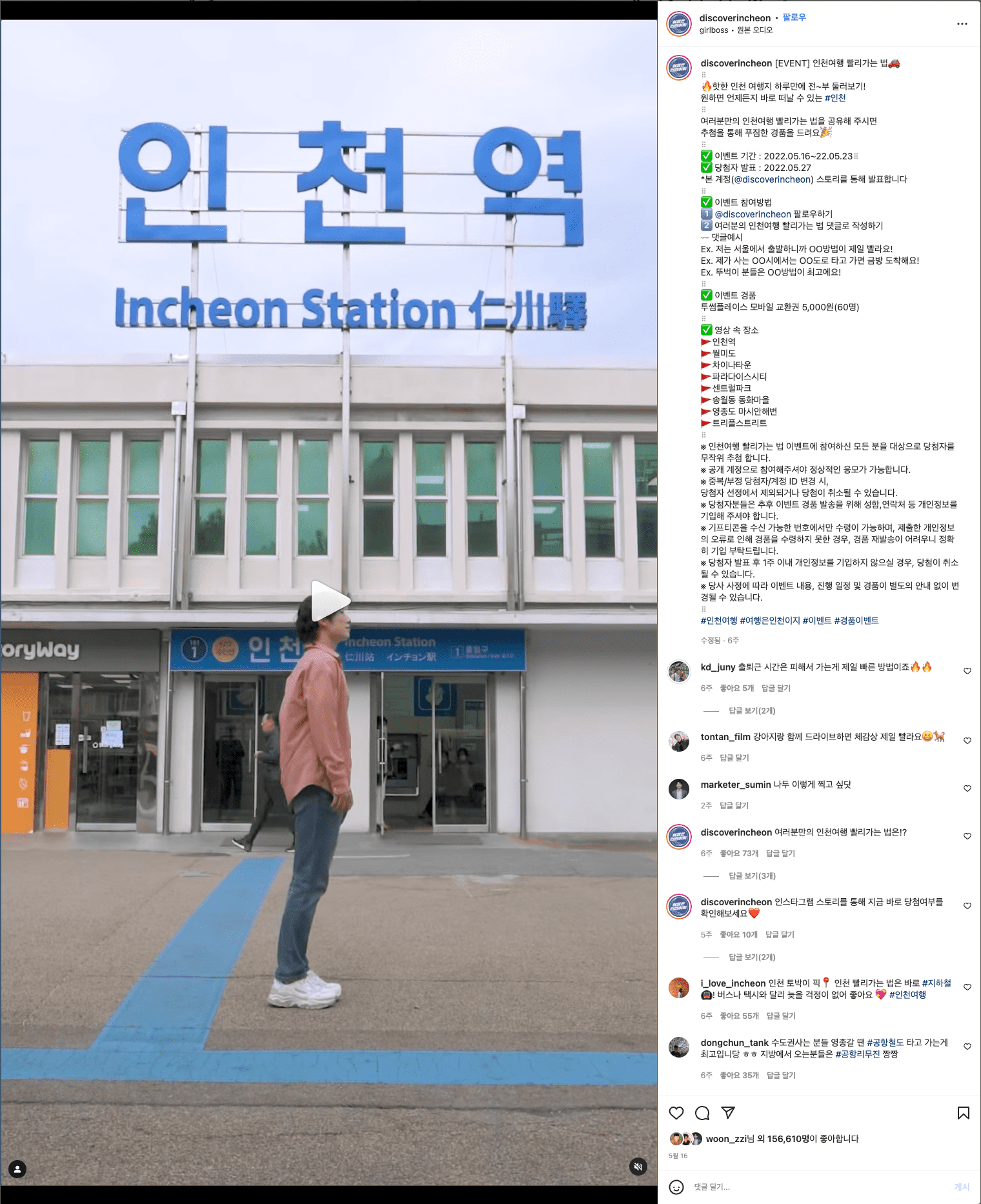
So how should MICE events be planned going forward?
To revitalize MICE programs, organizers need to stop focusing only on execution. They need to design offline events and programs the way they'd create online content — giving attendees something worth experiencing. With oversupply in most MICE markets, competition is cutthroat. You need to stand out with local flavor and compelling content.
Like we said in earlier pieces: venues need distinctive programs to attract business. That distinctiveness becomes the content — and content is what drives event bookings.
The key question for offline events? How do you make people want to stay longer? That's where content comes in. And developing it needs to be a priority.
📖 Series index
01. How do you define your property?
02. How COVID-19 changed travel trends
03. The endemic shift: from value-for-money to emotional value travel
04. MICE programs: a solution for boosting hotel revenue
05. How MICE changed in the post-COVID era