A Korean tea sommelier heads to Shenzhen expecting tech chaos, finds a café and tea scene that flips every stereotype. First-hand look at China's booming beverage market.
07. Black Tea by Origin: Characteristics, History, and Culture (2) — China ①
By Tea Sommelier Lim Eun-hye (Brand Manager, Tea Grace)
About the Author Lim Eun-hye
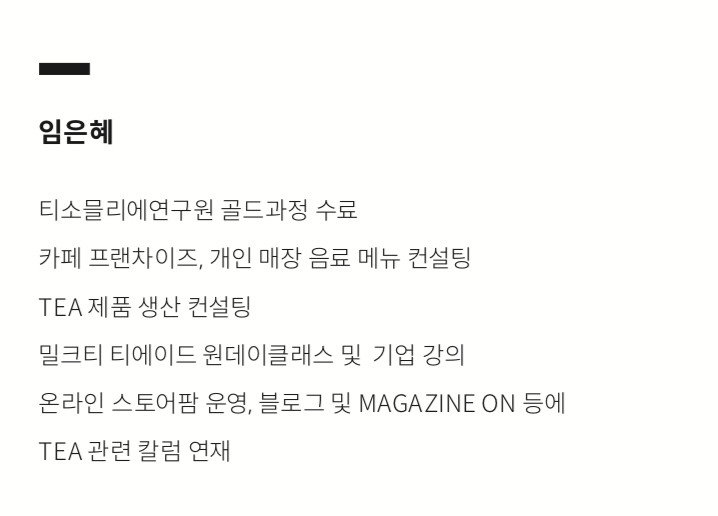
- Certified Tea Sommelier (Gold Level)
- Beverage menu consultant for franchise and independent cafés
- TEA product development consultant
- Milk tea & tea-ade workshop instructor and corporate educator
- Online store operator and columnist for blogs and MAGAZINE ON
China's Café and Tea Market
Hello — Tea Grace here. April's arrived, and the weather's finally warm. Have you made your cherry blossom viewing plans? The early bloom has me busy developing cherry blossom tea-ade and milk tea recipes. I took last month off to handle an office move and new product launch. Thanks to everyone who waited — your patience means the world.
Today we're diving into China's café and tea market. China — so near, yet so far. Most people think: knockoff bags, dirty food, smelly streets. I had the same biases before I visited. Working in tea, though, I always knew I'd end up there someday. When an IT business tour came up, I grabbed the chance. Tea meets IT? Sure, sounds random — but I get my best ideas from totally unrelated fields. So off I went to Shenzhen, half for rest, half for inspiration.
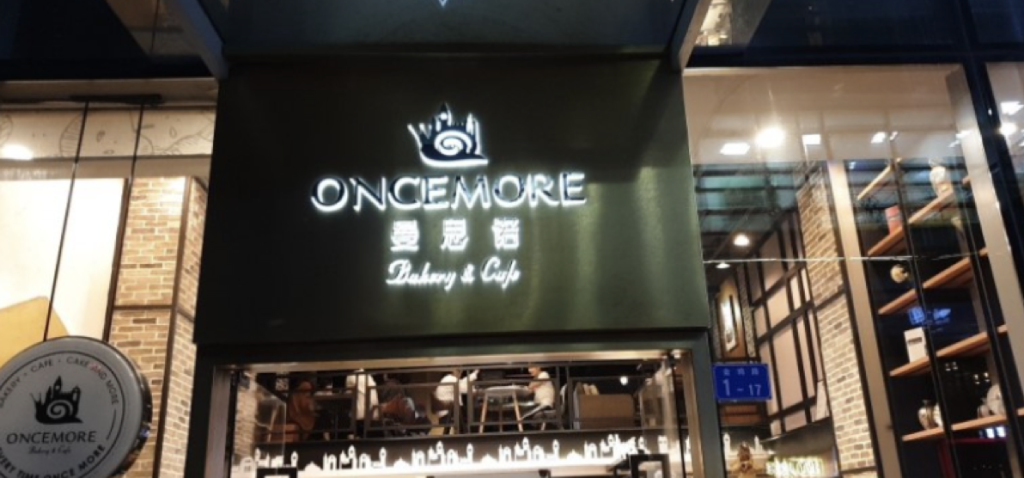
Arriving in Shenzhen
October 2018: I set foot in China for the first time. Shenzhen is a tech powerhouse — and it left me with incredible memories. I'd planned to relax, not work. When I'm burned out, I pick up a hobby in a completely different field. Somehow, that's where I stumble onto new ideas for tea. And since tea is my job, it's the first thing I notice anywhere. Light-hearted trip, sure — but Shenzhen made me fall in love with China. (And yes, my "vacation" turned into a full-on café beverage market study.)
What I Learned About China's Beverage Culture
1) Bubble milk tea is everywhere
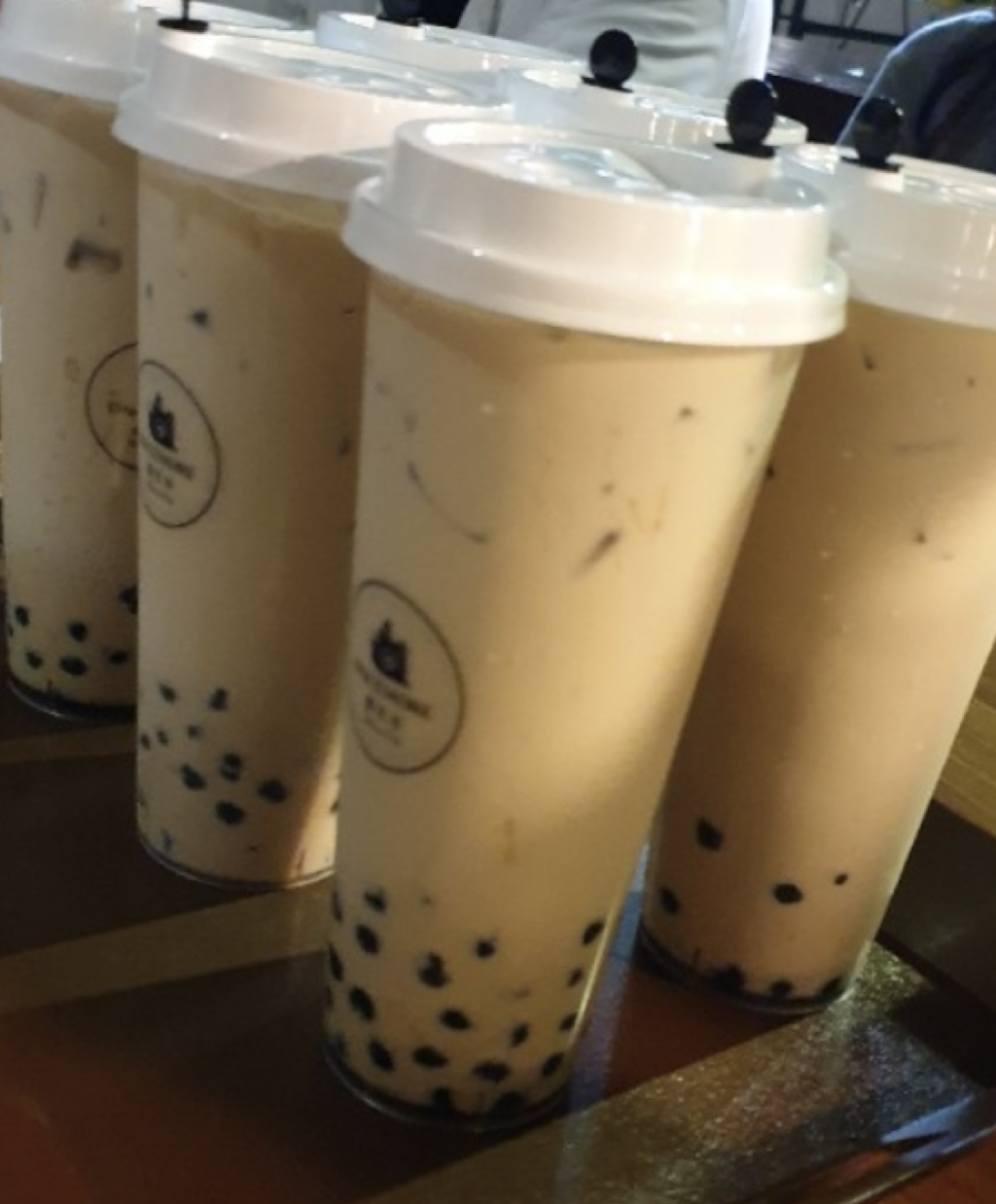
In Korea, Gong Cha (the Singaporean chain) popularized boba milk tea. When it launched, the tapioca pearls were a sensation — people lined up for hours. In China, I realized boba milk tea is standard. Every café serves it.
Korea's caught on since Gong Cha. Boba shops are everywhere now, and new combos keep popping up. One trend I'm watching: brown sugar bubble milk tea (黑糖波霸奶茶) from Taiwan, now hitting Korea. It's all about rich brown sugar syrup, chewy tapioca pearls, and brewed tea mixed with milk.
Not every shop uses real tea — but the fact that milk tea and tea-ades are mainstream in Korea shows tea beverages have arrived.
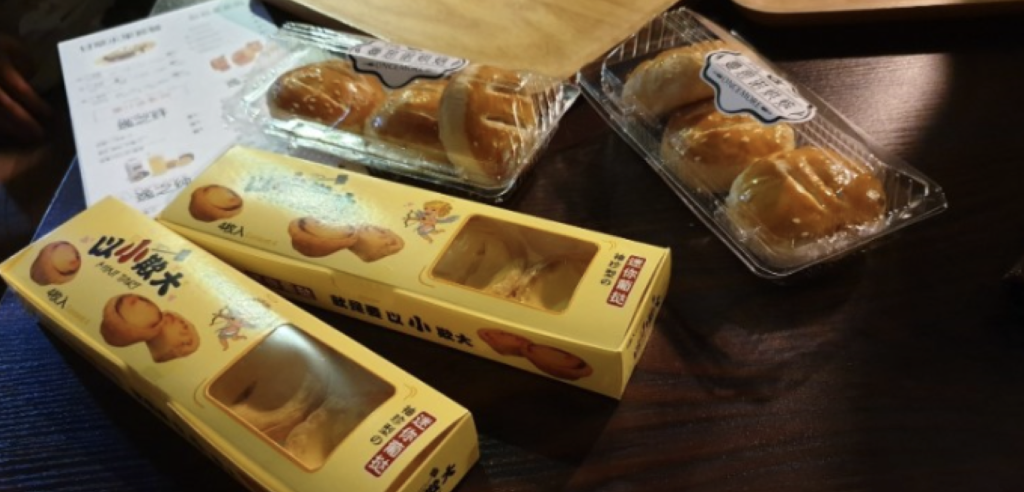
2) Egg tarts and manju, not cookies
Korean cafés serve cookies and cake slices. Chinese cafés serve manju (steamed buns) and egg tarts. Unusual, right?
And here's the thing: the egg tarts blew my mind. Better than anything I'd had in Korea. Even at the hotel breakfast buffet, they were the highlight. I still can't figure out why they tasted so much better.
TANING (挞柠) — The Jam-Infused Tea Drink That Stuck With Me
Of all the cafés I visited in Shenzhen, TANING left the biggest impression. I walked in to a menu entirely in Chinese. No idea what anything was — but luckily, they had photos at the counter. One new drink caught my eye: a gorgeous pink beverage with a lime perched on top.
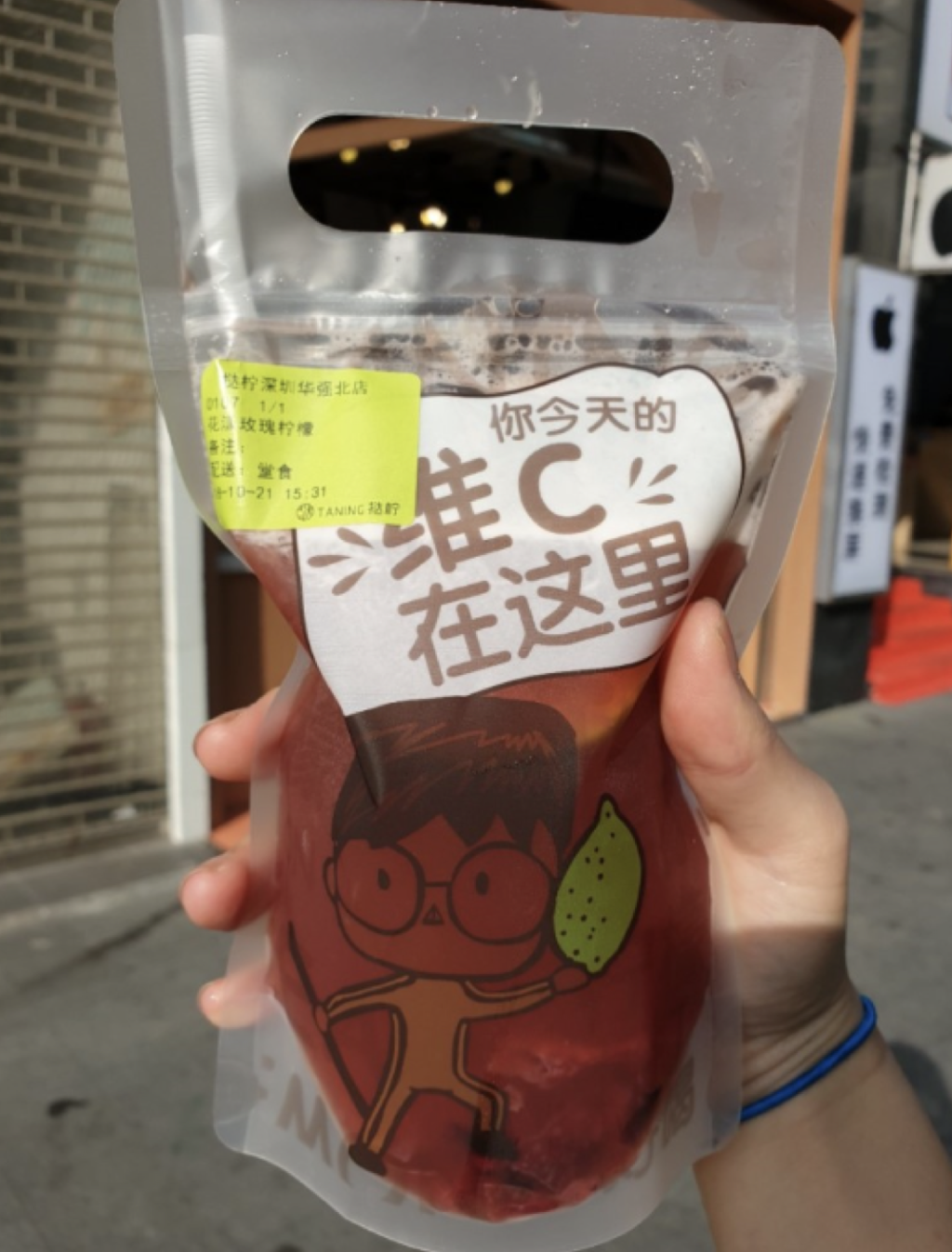
I pointed. Ordered. Watched them make it. The drink? Black tea base, fruit jam, and rose petals. Fragrant. Sweet. Stunning. I filmed the whole process, zoomed in on the drink, thinking: Would this work in Korea? Could I recreate this with local ingredients? Could I teach this in my tea-ade workshops?
That one drink sparked hours of thought.
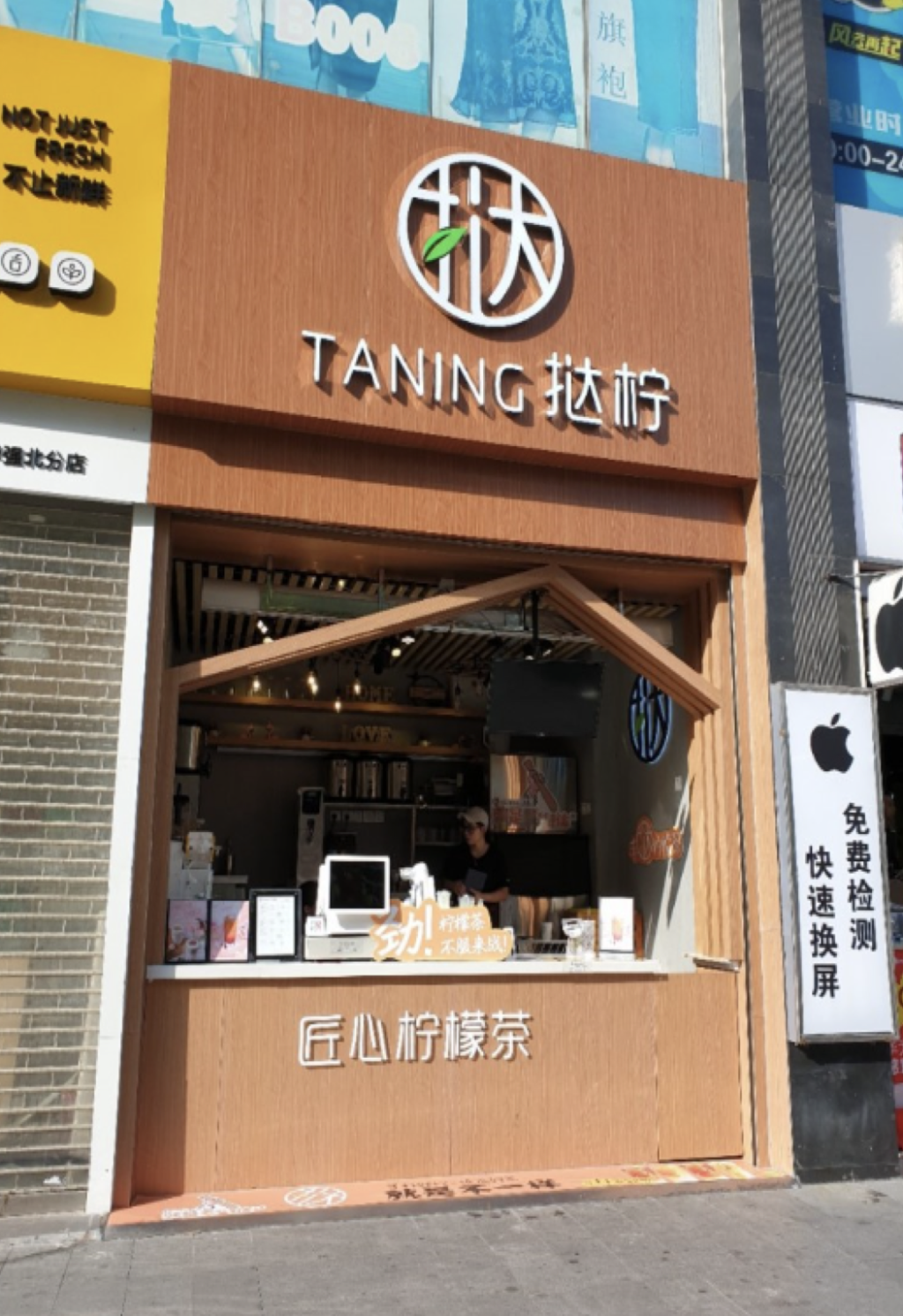
No Cup Sleeves? No Problem
Korean cafés use cup sleeves to keep your hands from getting cold or burned. Chinese cafés? No sleeves. Instead, they use super-sturdy reusable plastic cups (basically tumblers) or plastic pouches with handles for takeout. The pouches were fascinating — I'd never seen anything like them in Korea. I suspect we'll start importing them soon.
Despite the language barrier (I used WeChat's auto-translate), everyone was kind and patient. Those interactions still warm my heart.
BAMA TEA — Tasting and Buying Tea in Shenzhen
I stumbled into BAMA TEA, a Chinese tea shop. In Korea, it's hard to buy loose-leaf tea, and tastings are rare. In China, tasting is standard. Most tea shops let you try before you buy — sample the flavor, the aroma, then choose.
For me, that moment at BAMA TEA was the highlight of the entire trip. Sitting with the staff, sampling teas, communicating through gestures and smiles. I introduced myself: "I teach tea in Korea." Turns out they were all tea instructors too.
I was in a rush to get back to my hotel, but they insisted on delivering my purchase that evening. Even though I didn't buy much, they made me feel like an honored guest. That warmth stayed with me long after I left.
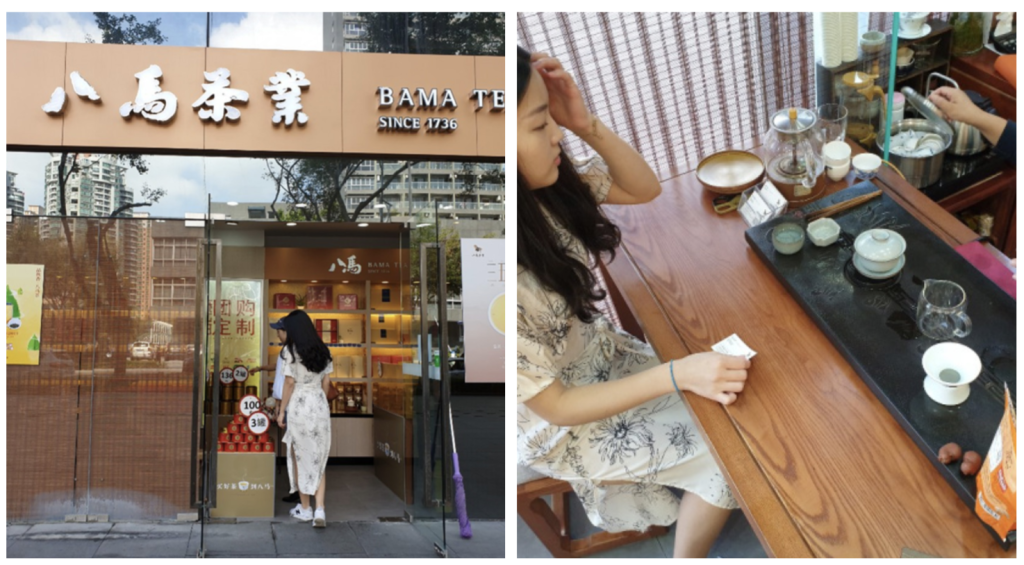
Tasting and buying tea at BAMA TEA in Shenzhen
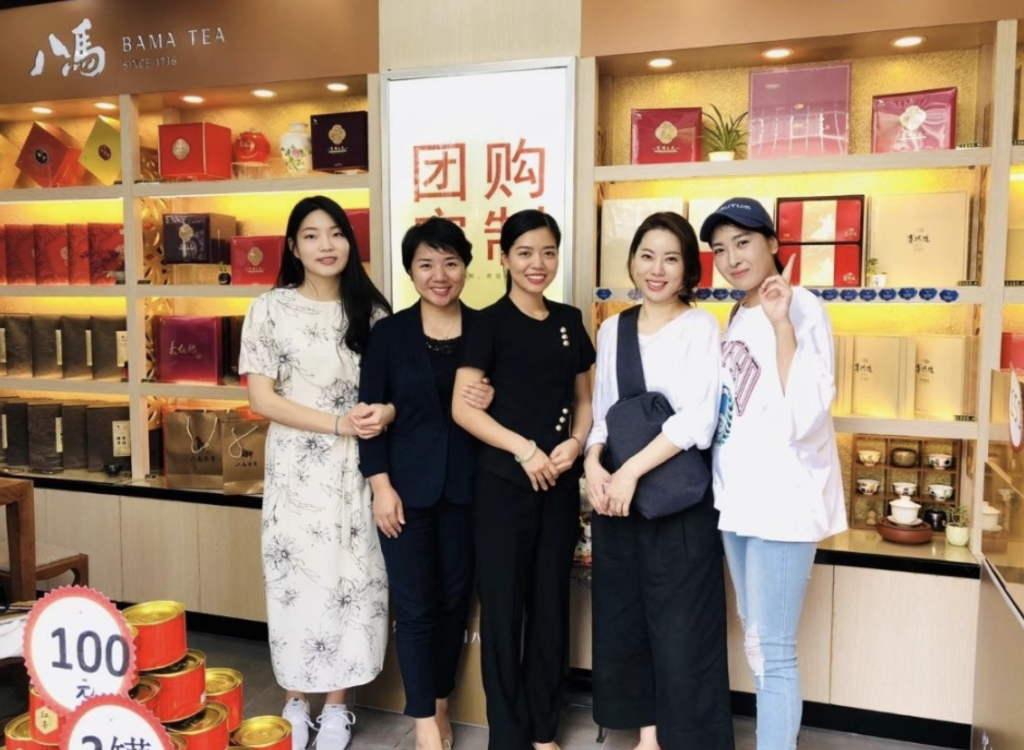
With the wonderful staff at BAMA TEA
Planning a Tea Tour Program
That trip inspired me to create a Tea Tour program. Imagine traveling to explore tea culture firsthand. Here's what I'm planning:
Wuyi Mountains (武夷山, near Xiamen): The birthplace of tea. Dramatic cliffs, perfect climate for growing tea. You can buy high-quality tea at the source, enjoy afternoon tea sets with stunning views, and immerse yourself in tea history.
Shanghai: Less scenic, but luxury hotels offer afternoon tea with live performances. You'll find gorgeous tea cafés with traditional Chinese décor and tea ceremonies. Plus, it's a goldmine for café beverage research — just like my Shenzhen trip.
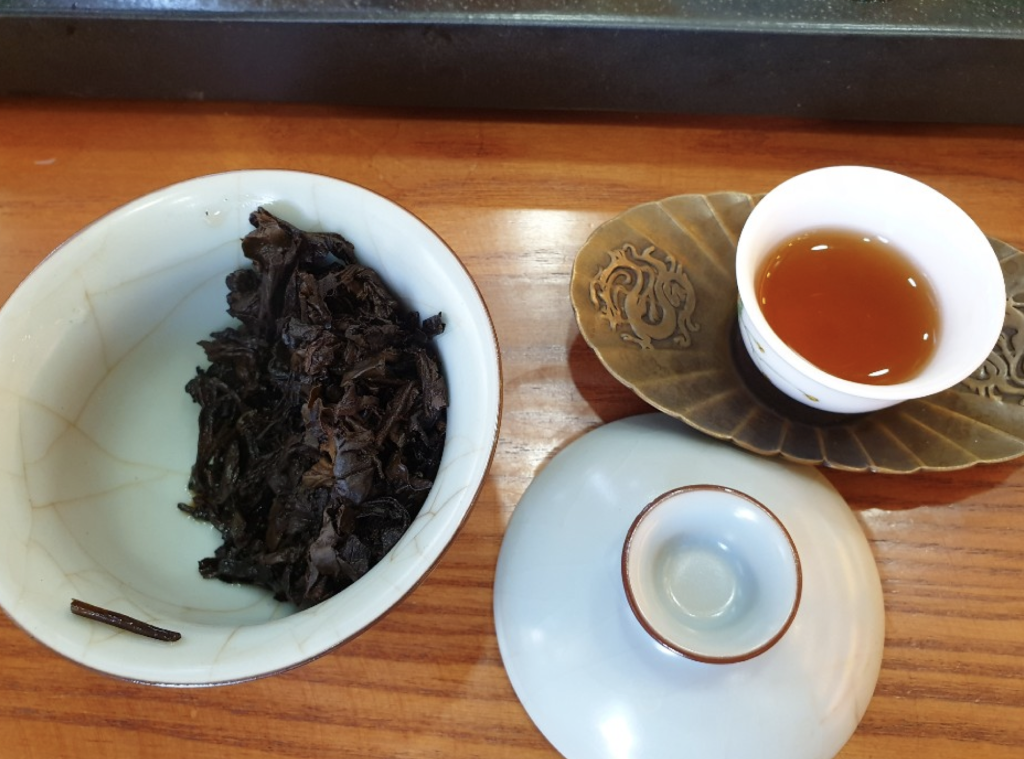
China opened my eyes. Tea became the thread connecting travel, culture, and business. I'm grateful I can do work I love in a way that feels this alive.
Today we explored China's café and tea market. Next time, we'll dig deeper into Chinese tea varieties and their origins. Stay warm, drink tea, and beat that fine dust. Have a great day.
[Series Index]
2018.09 Understanding Tea and Differentiating Your Property
2018.10 Blended Teas and Why You Should Drink Tea
2019.03 On break
2019.04 Black Tea Stories (4) – 2
2019.05 Black Tea Stories (4) – 3
2019.06 Black Tea Stories (5)
2019.07 Black Tea Stories (6)
2019.08~ Green Tea Stories