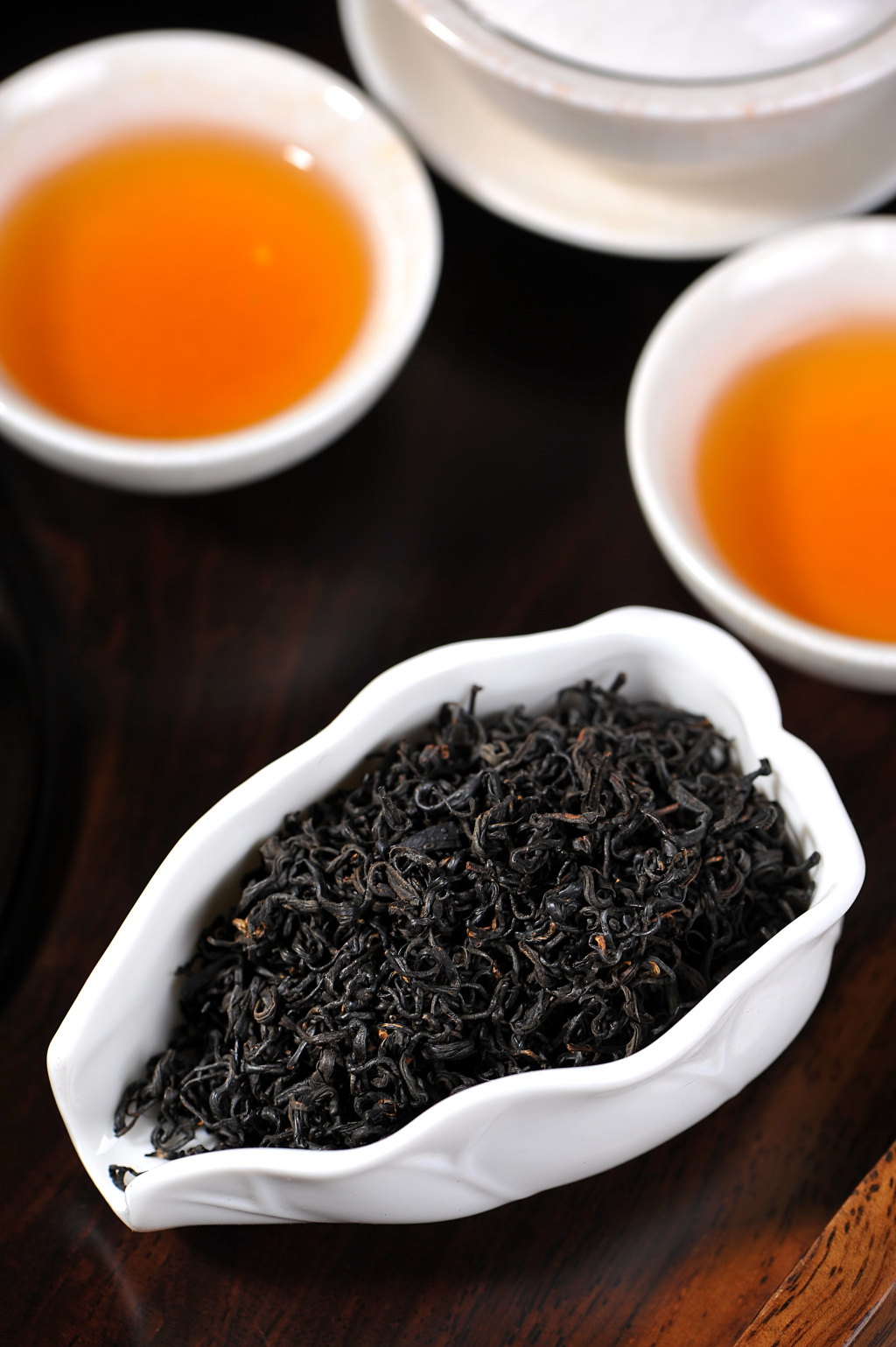
Chinese tea's diversity comes from terroir—climate and soil shaping flavor. This guide walks through regional black teas worth knowing, from smoky Lapsang to floral Keemun, with tasting notes and service tips.
08. Black Tea by Origin: History, Characteristics, and Culture (3) — China ②
By Im Eun-hye, Tea Sommelier (Brand Manager, TeaGrace)
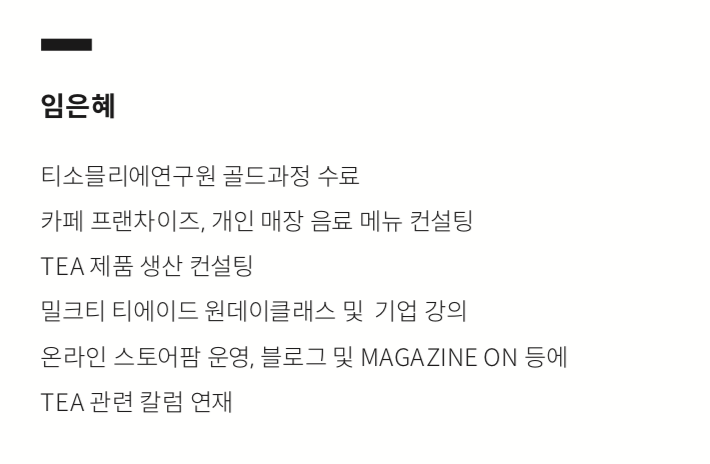
About the writer: Im Eun-hye
- Tea Sommelier Institute, Gold Course graduate
- Beverage menu consultant for cafe franchises and independent shops
- Tea product development consultant
- Milk tea and tea-ade one-day classes and corporate training
- Runs an online store, writes tea columns for blogs and MAGAZINE ON
Hello, MAGAZINE ON readers — TeaGrace here. How've you been? Cherry blossoms came and went in a flash, and suddenly it feels like summer arrived early. A bit disorienting, to be honest. Did you enjoy the blossoms this year? These days I'm teaching tea classes at my studio from morning till evening, so sadly I missed the daytime blooms and only caught the night-time scenes. Oh well — I'll skip cherry blossoms this year and wait for May roses instead.
Last month I introduced China's tea market and explained how I got interested in China in the first place. I'd love to cover every Chinese tea under the sun, but China has more tea varieties than anywhere else — calling it the birthplace of tea wouldn't be an exaggeration — so the topic is vast. Today I'll narrow it down and introduce a few Chinese teas I personally recommend.
What makes Chinese tea unique: Terroir
Generally speaking, tea absorbs the weather, temperature, climate, and humidity of where it grows. We call this influence "terroir." Terroir is a French word meaning "soil or climate," and it's used to describe how tea embodies its region. Chinese tea, shaped by China's diverse terroirs, carries distinct regional characteristics.
1. Zhengshan Xiaozhong Black Tea
First up: Zhengshan Xiaozhong from Fujian Province. It's one of China's Big Three black teas (alongside Keemun and Dianhong) and the world's first black tea. People often ask if Zhengshan Xiaozhong is the same as Lapsang Souchong. Strictly speaking, Lapsang Souchong is artificially smoked, while Zhengshan Xiaozhong develops its smoky aroma naturally — so they're different. Zhengshan Xiaozhong has a bright, crisp aroma and a smooth black tea flavor. Most black teas turn bitter and astringent when steeped too long, but Zhengshan Xiaozhong is remarkably forgiving — less harsh, less tannic.
Now, a quick detour into Earl Grey's origin story. In the 19th century, British Prime Minister Earl Grey received a gift of Zhengshan Xiaozhong. At the time, this tea was wildly popular across Europe and traded at premium prices. Earl Grey loved it so much he asked a tea company to replicate it.
The company didn't know what gave Zhengshan Xiaozhong its signature aroma. They heard a rumor it came from longan, a tropical Chinese fruit, so they searched for something similar. They landed on bergamot — a lime-like citrus — and infused black tea with it. Earl Grey loved the result, and the tea took his name. That's why we associate Earl Grey with bergamot.
Zhengshan Xiaozhong is beloved enough to have inspired Earl Grey. That tells you everything.
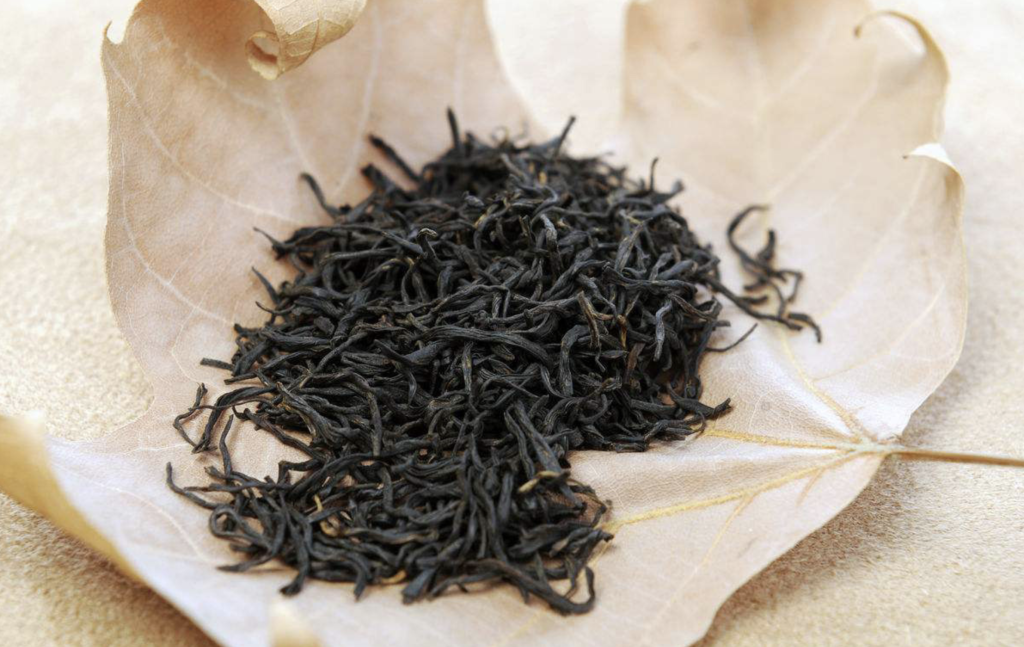
Zhengshan Xiaozhong (Source: https://zhuanlan.zhihu.com/p/33127479)
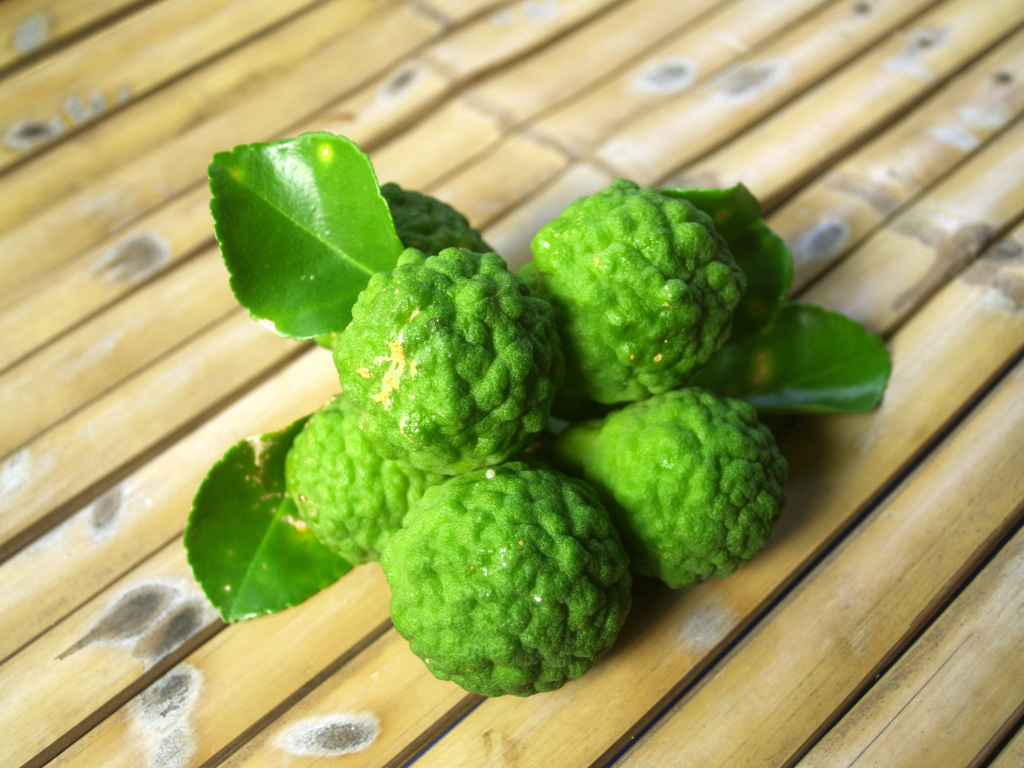
Bergamot
2. Jin Jun Mei
Next: Jin Jun Mei.
Unlike Zhengshan Xiaozhong, Jin Jun Mei is packed with golden leaves and has a wonderfully nutty, robust flavor. It's a refined black tea developed in 2005 by a Zhengshan Xiaozhong master through R&D. In a way, it's an upgraded version of Zhengshan Xiaozhong — top-tier in the black tea category. Despite its short history, its luxurious golden appearance and aroma made it famous fast.
If you look at the photo below, you'll see golden leaves mixed in — that's called "golden tips." Silver-colored leaves are "silver tips." Jin Jun Mei is loaded with golden tips, earning it the nickname "golden leaf tea" and a reputation as one of China's finest. It's also incredibly popular in Korea — a taste profile that just works for Korean palates. Personally, I reach for Jin Jun Mei more often than pu-erh.
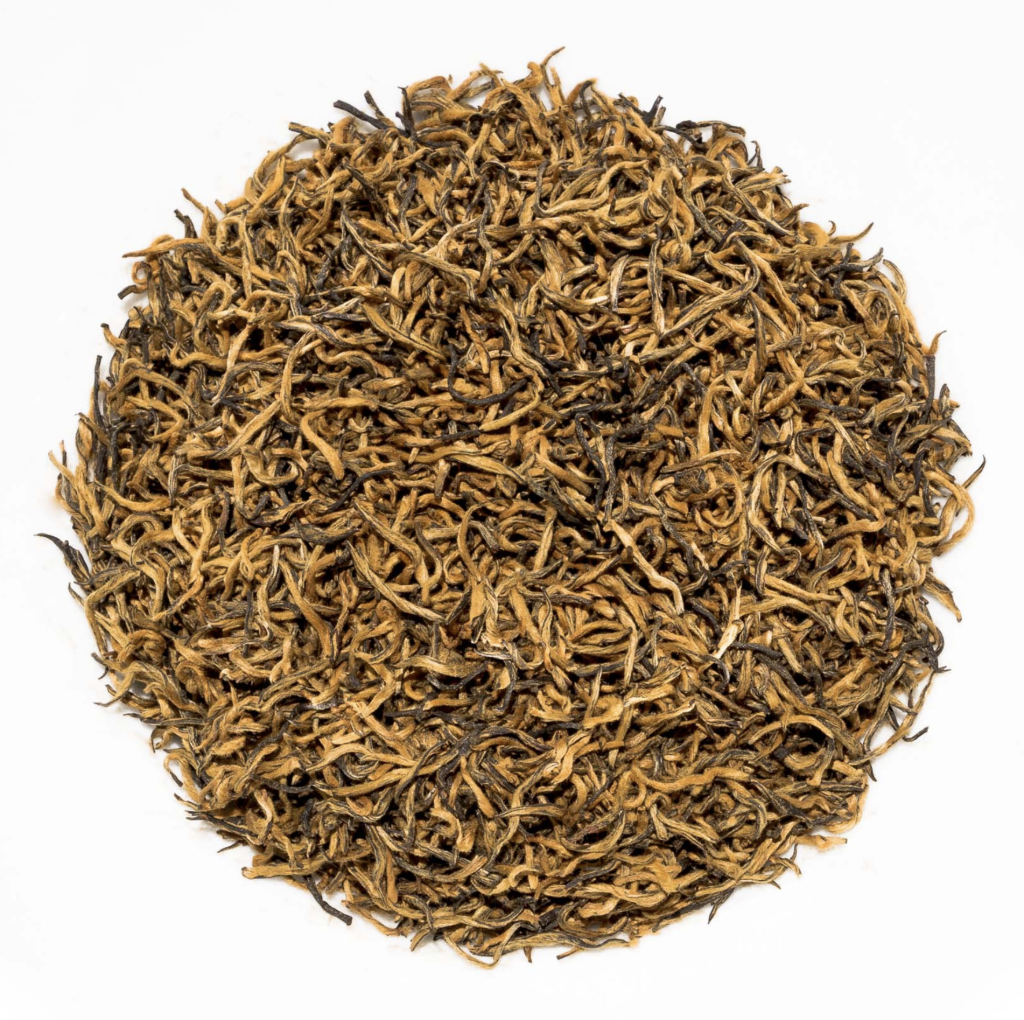
Jin Jun Mei (Source: https://www.curioustea.com)
3. Jasmine Tea
Just as Taiwanese people drink oolong like water, Chinese people drink jasmine tea like water. In Korea, pairing tea with meals isn't common yet, so even at Chinese restaurants you'll often get cheap jasmine tea steeped all day. But visit China and you'll find much more fragrant jasmine tea even at ordinary restaurants — because better jasmine tea is everywhere.
Jasmine tea comes in two types: green tea scented with jasmine and green tea blended with jasmine flowers. Most jasmine tea is green tea scented with jasmine flowers, though occasionally you'll find oolong or white tea bases.
Since jasmine tea is a type of green tea, steep it in lukewarm water (70–80°C) for just 90 seconds. Green tea steeped too long in hot water turns bitter.
Jasmine tea cuts through the richness of Chinese food and cleanses the palate — the perfect pairing with Chinese cuisine. It's like how Koreans drink barley tea or genmaicha (roasted brown rice green tea) with Korean meals.
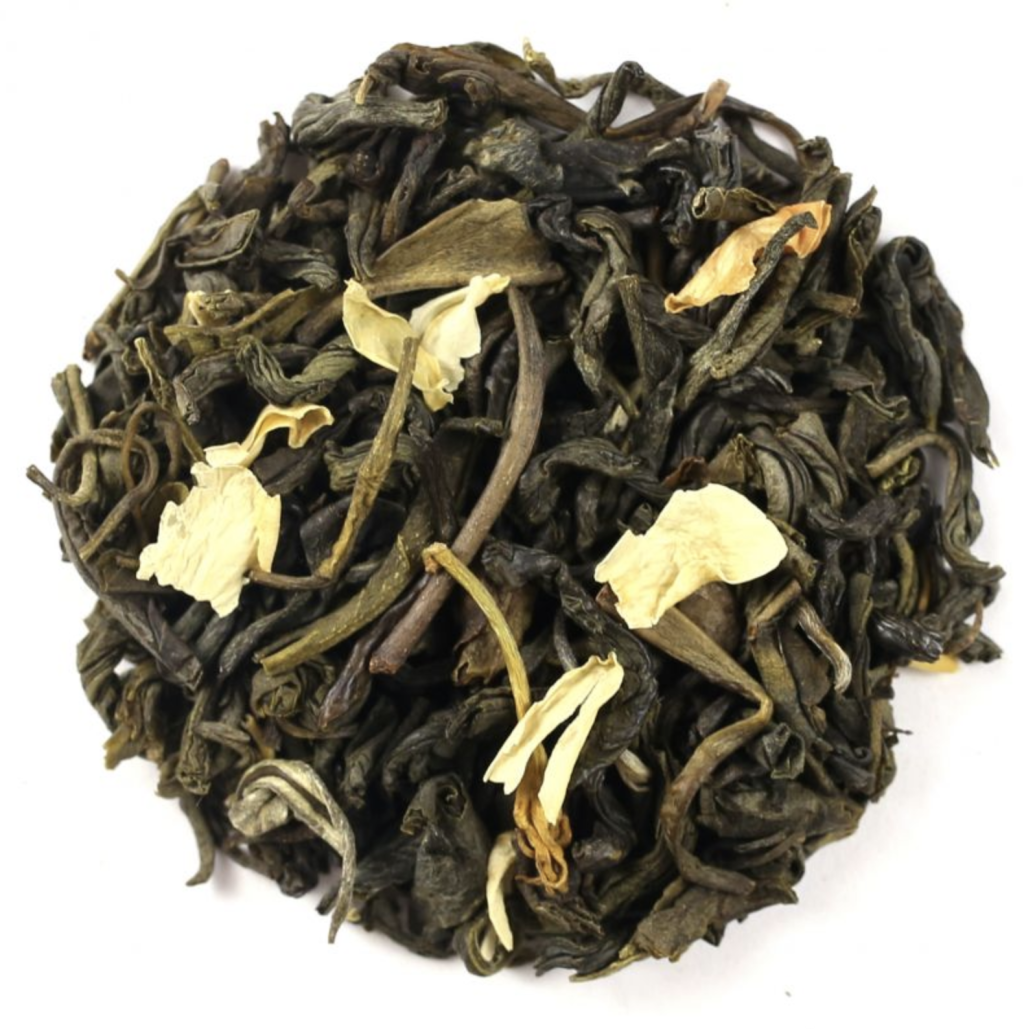
Jasmine tea (Source: https://www.tea-and-coffee.com)
Why Chinese people drink so much tea
Why do Chinese people love tea so much? In China, carrying a personal thermos is basically mandatory — people sip tea everywhere, all day long. Chinese people tote their thermoses around and fill them with tea or water constantly. So why did tea drinking become so ingrained in Chinese culture?
China is a continental country with limited freshwater. Deserts mean water often contains lime and heavy metals. To improve water quality, people had to boil it — and once you're boiling water anyway, brewing tea tastes and smells far better than plain water. Also, Chinese food is heavy on fried dishes, stir-fries, and meat. Chinese diets tend to be oily and heavily seasoned. Tea counteracts that.
Climate, environment, and diet converged to create China's massive tea culture.
Why O'sulloc in Jeju is packed with Chinese tourists
Ever been to O'sulloc in Jeju? It's a tea brand by Amorepacific with tea fields and a tea museum in Seogwipo. Visit and you'll see swarms of Chinese tourists buying tea products in bulk.
O'sulloc does advertise heavily in China, but when I asked Chinese friends why they buy O'sulloc, they said: the packaging is beautiful, and the names are beautiful.
O'sulloc's diverse product lineup was unique and caught people's attention. The tea tastes good too. But more than that, poetic names like "Moonlight Walk," "Jeju Forest Fairytale," and "Wedding Green Tea," paired with gorgeous illustrations and packaging designed around tea, won over not just Koreans but Chinese hearts too. Sure, flavor and variety matter — but for Chinese buyers, O'sulloc isn't just tea. It's a beautiful product. A souvenir from Korea.
O'sulloc's product planning and marketing is genuinely impressive — even for someone in the tea business like me.
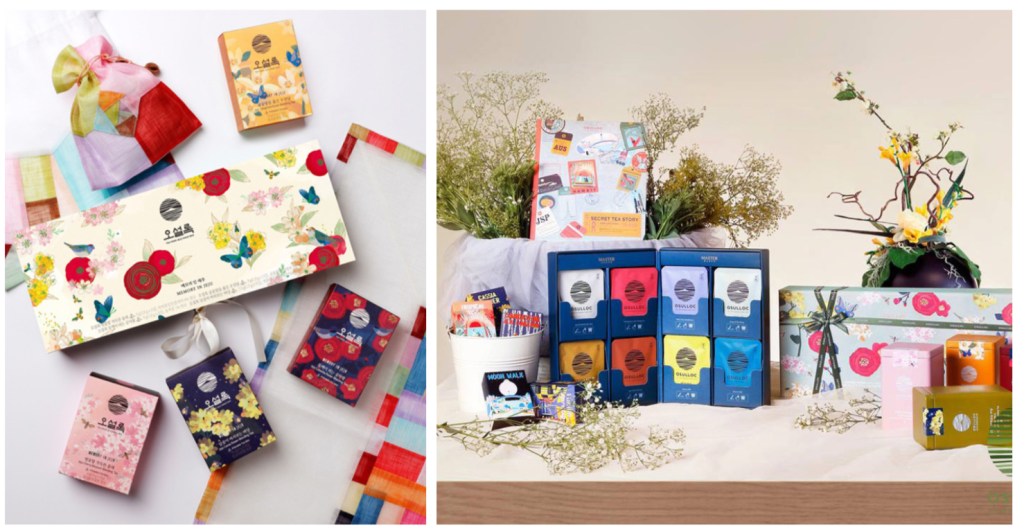
O'sulloc tea packaging
If your property targets Chinese guests, pay attention to tea
If you're running an accommodation business and your target market includes Chinese tourists, consider adding tea to your guest experience. Even if your guests aren't Chinese, tea is emerging as new content that attracts broad interest.
The success of Teavana in Korea shows tea isn't just for winter or hot drinks anymore. Iced tea, tea-ade, iced milk tea — tea is now a delicious beverage people enjoy year-round, especially in summer.
This summer, I'd like to suggest a few blended teas you could offer as welcome drinks or refreshing in-room beverages.
1. Mint Lemon Secret (Detox Tea)
Mint Lemon Secret is a caffeine-free herbal blend of mint, oolong, lemongrass, and thyme. I created this blend with detox and cleansing in mind. Naming it was tough — Korean regulations prohibit words like "detox" on infusion teas (they could be mistaken for health functional foods), so we got rejected repeatedly.
In blind tests, people gave it the nickname "toilet-destroyer tea" because it's that effective. It's become hugely popular. Since summer is diet season, I'm recommending Mint Lemon Secret.
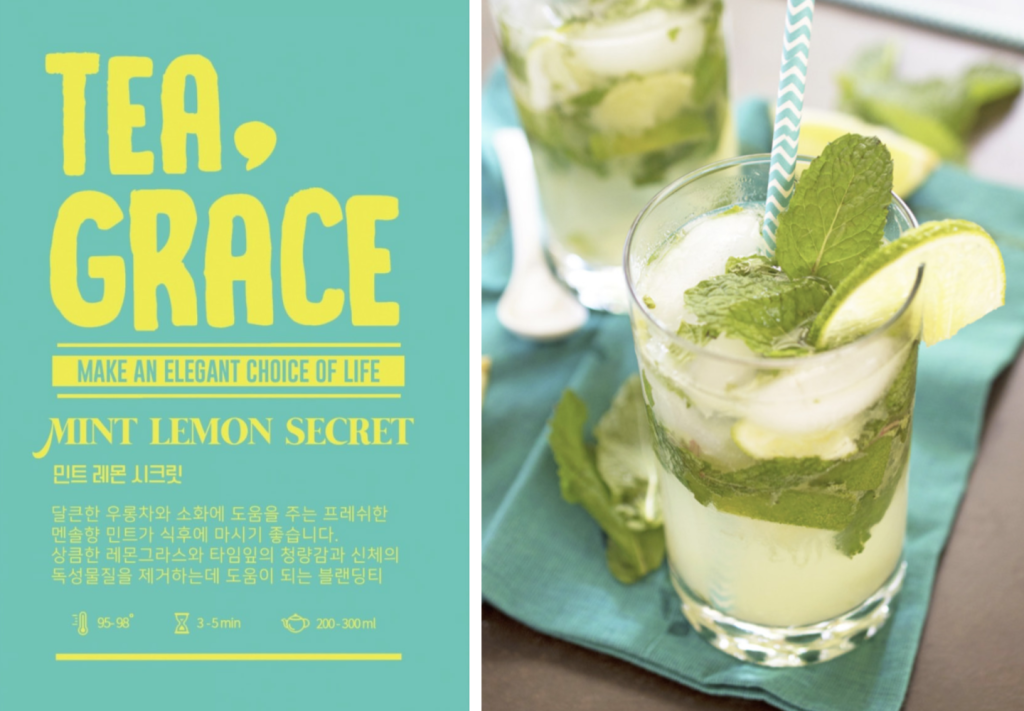
Mint Lemon Secret
2. Red Berry Apple Tea
Red Berry Apple Tea is a sweeter reboot of our original Red Apple Tea. It's a caffeine-free fruit blend with hibiscus, apple, strawberry, pineapple, rose, and more. Sweet-tart fruit flavor is the highlight. We balanced it with a touch of strawberry flavoring, so you can enjoy this blend as mulled wine (vin chaud) in winter or sangria / iced tea in summer.
The vibrant red color completes the visual appeal — it lifts your mood just looking at it.
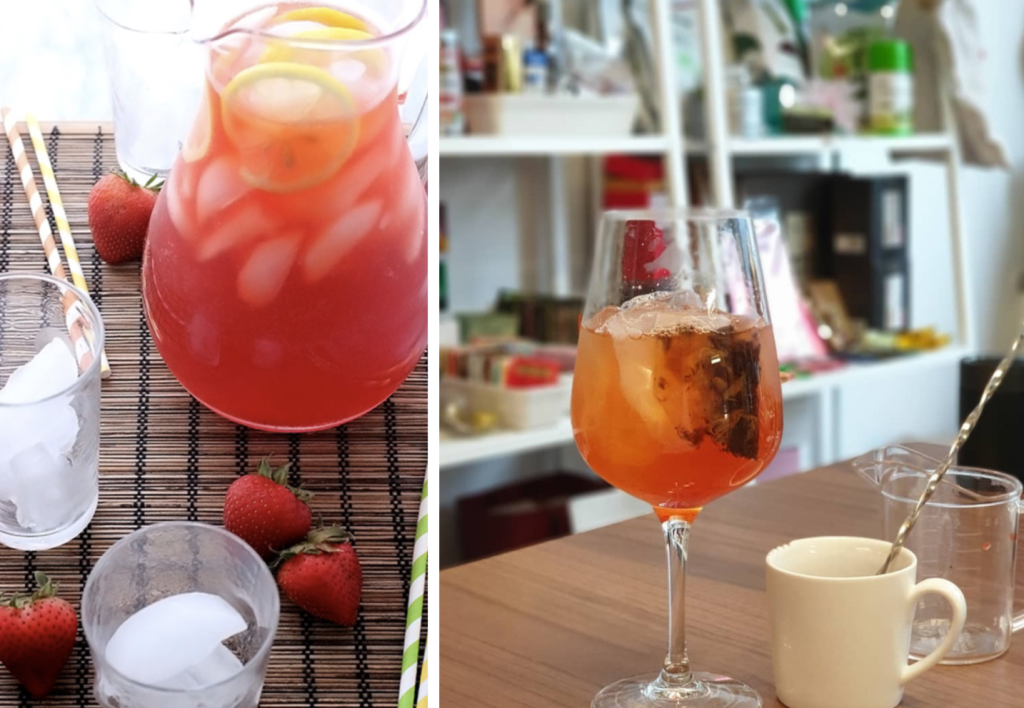
Red Berry Apple Tea (left), Flower Peach Iced Tea (right)
3. Peach Blossom Black Tea
— A tea-ade recipe inspired by market research in China
Let me introduce Peach Blossom Black Tea, a new TeaGrace product launching soon, inspired by my trip to Shenzhen. As I mentioned last issue, I saw Chinese iced tea menus mixing flower petals with jam. That inspired me to create a blend of cornflower, blue cornflower, and pineapple in black tea, scented with peach for sweetness.
To make it a tea-ade, the Chinese versions used fruit jam, but I wanted something for summer, so I used peach concentrate instead. That completed the final iced tea recipe.
Here's how to make Flower Peach Iced Tea using Peach Blossom Black Tea:
<How to Make Flower Peach Iced Tea>
1) Steep 1 teabag (2.5g) of Peach Blossom Black Tea for 2 minutes.
2) Add 30g peach concentrate and stir.
3) Pour into a cup filled with ice. Flower Peach Iced Tea — done!
My ongoing interest in China led me to pick Shanghai as this summer's vacation and research destination. Plus, I'll be in Beijing at the end of June for an external lecture, so I'll visit Beijing too. After the trip and lecture, I'll share more about China's tea market and interesting menu ideas. Thank you!
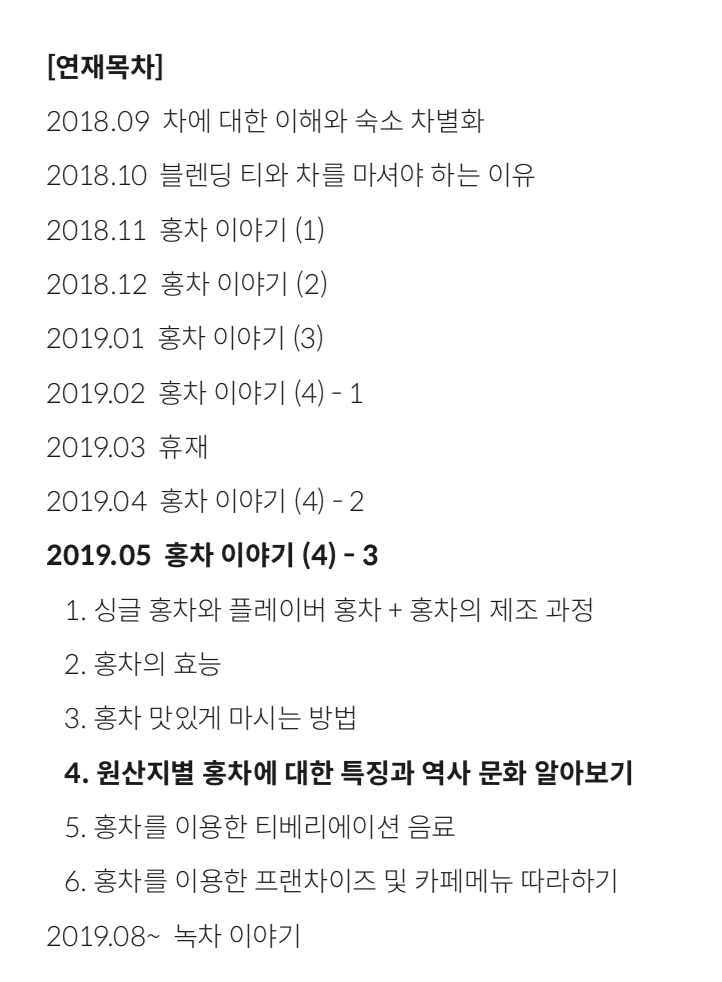
[Series Index]
2018.09 Understanding Tea and Differentiating Your Property
2018.10 Blended Tea and Why You Should Drink Tea
2019.03 Hiatus
2019.04 Black Tea Story (4) – 2
2019.05 Black Tea Story (4) – 3
2019.06 Black Tea Story (5)
2019.07 Black Tea Story (6)
2019.08~ Green Tea Story