Korean green tea—sejak, matcha, tea-ades—is showing up at boutique cafés and hotel lounges. Tea sommelier Lim Eun-hye breaks down what guests actually notice and where to serve it best.
12. Korean Green Tea and Matcha
Writer Tea Sommelier Lim Eun-hye (Brand Manager, Tea Grace)
Editor ONDA Manager Somora
About the Editor Lim Eun-hye
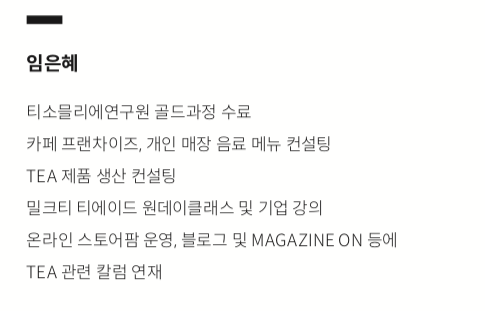
- Tea Sommelier Research Institute Gold Course graduate
- Beverage menu consultant for café franchises and independent cafés
- Tea product production consultant
- Runs one-day classes and corporate workshops on milk tea and tea-ades
- Operates online Naver SmartStore; writes tea columns for blogs and MAGAZINE ON
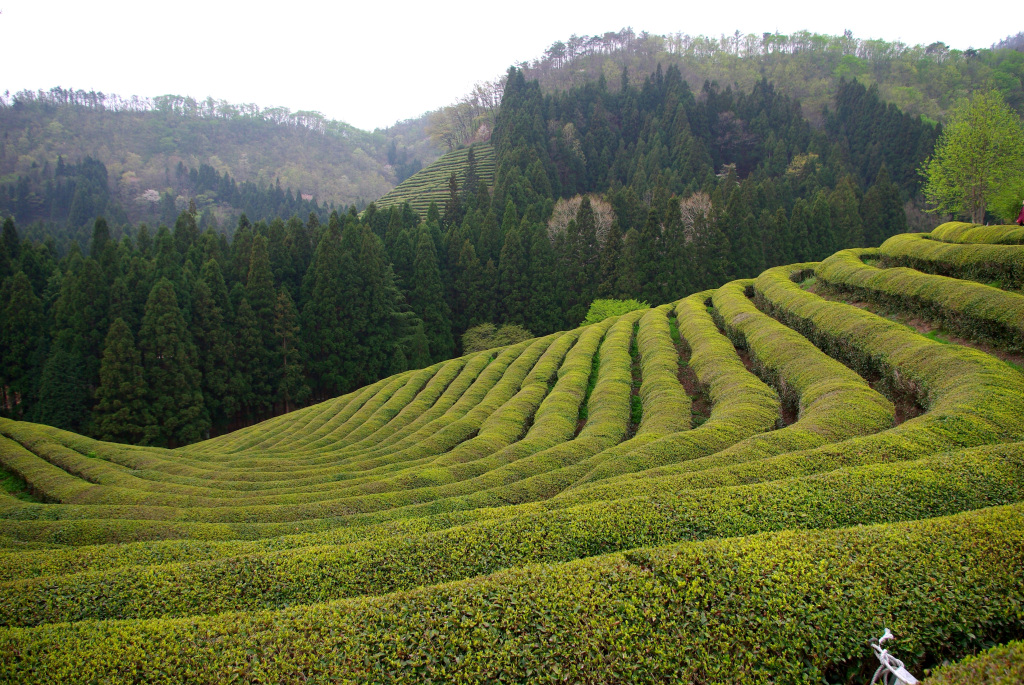
Hello, MAGAZINE ON readers—Tea Sommelier Tea Grace here. Just last month felt like a sweltering, humid sauna summer. Now there's a crisp breeze, and autumn's already knocking.
Continuing from last month's column, this issue dives into Korean green tea and matcha—and I'll share a few cafés where you can taste these beauties at their best.
Before we jump in, let's revisit the Korean green tea chart from last month:
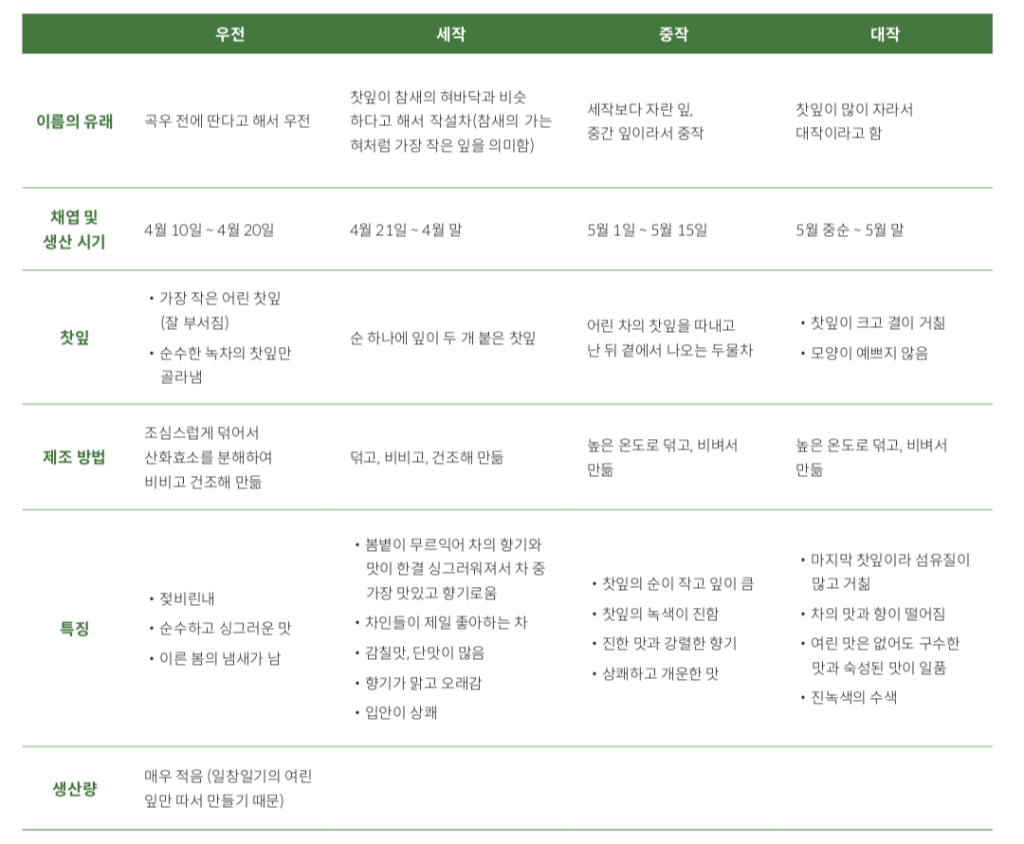
Origins and characteristics of Korean green tea
I'm partial to sejak myself. But these days, you've probably seen powdered green tea—not leaves—whisked with a bamboo whisk into water. That's what we call matcha.
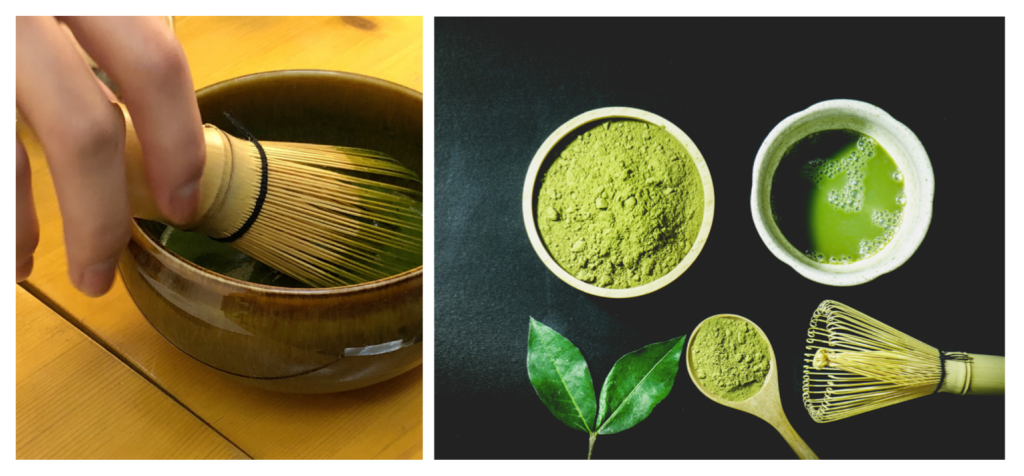
Powdered green tea, whisked with a bamboo tool, is called matcha.
What is matcha?
Matcha (末茶) is often called "powdered green tea" or "powder tea" in Korea. To put it simply: finely ground green tea leaves turned into powder. The character mal (末) means "powder" or "fine dust"—so, "tea in powdered form." There's no separate global term for it, so English just uses Matcha (also spelled matcha, maccha, macha depending on pronunciation—the latter two are Japanese variants). Below, I'll break down matcha in more detail.
Green tea vs. matcha
Unlike steeped green tea, matcha is whisked directly into water, so you consume the entire leaf. That means you ingest nutrients regular steeped tea can't deliver—vitamins A and E, minerals, beta-carotene, dietary fiber, and other fat-soluble compounds.
Standard green tea uses leaves grown in full sunlight. Matcha, by contrast, uses shade-grown tea leaves. Shade cultivation involves covering tea plants with black fabric to block sunlight. This boosts chlorophyll levels roughly fourfold, giving matcha that vivid green hue. Sun-grown tea, with more photosynthesis, has less intense color but higher catechin content.
Both green tea and matcha require heat processing. For green tea, leaves are pan-fired in high heat—think stir-frying. Matcha leaves are steamed instead, using high-temperature steam.
Preparation differs, too. Green tea: steep leaves in hot or cold water. Matcha: whisk into water to create froth, then drink straight—or blend with milk for a matcha latte.
Why drink green tea?
Green tea is rich in catechins—the astringent compounds I've mentioned before. Catechins offer detox support, anti-inflammation, cavity prevention, weight management, and blood pressure regulation.
All tea contains catechins, but oxidation (fermentation) cuts catechin levels by more than half. Since green tea is minimally oxidized, it retains the highest catechin concentration.
Tea Sommelier–approved matcha cafés
Ever tried Starbucks' Matcha Shot Latte? The tea-coffee hybrid was a hit. Here are a few spots I confidently recommend for matcha drinks and desserts—same vibe, next-level execution.
1. Grace Granny Café
▪ Address: 24 Dongtanhana 2-gil, Hwaseong-si, Gyeonggi-do ▪ Instagram: grace_granny__
First up: Grace Granny's green tea pound cake and rich matcha latte. Drinks and desserts are delicious, and the photos come out stunning. The owner is gorgeous, and the vibe is pure healing. Located in Dongtan, it's perfect for recharging, taking Instagram shots, or a date (first date included).
2. Flower Tea Café Goeun
▪ Address: 181-10 Yeonje-gil, Osong-eup, Heungdeok-gu, Cheongju-si, Chungcheongbuk-do ▪ Instagram: flowercafe_goeun
A flower tea sommelier runs this café. The matcha latte is hand-whisked, and the flower tea–blended tea-ades are fantastic. But it's not just drinks—Goeun hosts one-day classes in bojagi (traditional wrapping cloth), flower tea, and homemade syrup. Think of it as Osong's community living room. Great if you're curious about flower tea or hands-on workshops.
3. Greengreen Afternoon
▪ Address: 20-1 Myeongseo-ro 141beon-gil, Uichang-gu, Changwon-si, Gyeongsangnam-do ▪ Instagram: greengreen_p.m
Matcha seolgi (rice cake), Oreo seolgi, blueberry seolgi, black sesame roll cake, pavé chocolate rice cake—sound good? Greengreen Afternoon redefines what rice cake desserts can be. The friendly owner always greets you warmly. Their matcha latte, whisked from top-grade matcha, is shockingly fresh. Keep an eye on their Instagram for rice cake dessert workshops—I'm signing up soon myself.
4. Pretty Day Lab Baking Class
▪ Address: Innermass, Magok-dong, Gangseo-gu, Seoul ▪ Instagram: prettydaylab
Not a café, but worth mentioning. The owner of Eoneu Yeppeunnal (five locations) runs Pretty Day Lab, a beginner-friendly baking class loaded with insider tips. Their matcha scones, macarons, and dacquoise hit that perfect bittersweet note—because the owner personally tested premium matcha, mid-high grade, mid-grade, and Kyoto Uji matcha to find the best. The recipes are simple, the teaching is clear. If you're into baking, don't sleep on this.
DIY matcha/green tea hacks
After summer sun exposure, pop a used green tea bag in the fridge, then place it on your skin to soothe redness and breakouts. Green tea cools inflammation. Too lazy to steep? Dissolve matcha powder in your face-washing water. I've tested this—it genuinely helps even tone and calm irritation. Consistency is key for glowing skin.
My routine: Once or twice a week, dissolve ~5 teaspoons of matcha powder in 1 liter of cool water, then rinse your face with it.
That wraps up this month's deep dive into Korean matcha and green tea. Next issue, we'll explore even more fun matcha content. Thanks for reading.