Bedbug sightings are popping up nationwide. After the pandemic, the 'bedbugdemic' has become a real talking point for the accommodation industry. Here's what you need to know.
Bedbug sightings are popping up nationwide. After the pandemic, the "bedbugdemic" has become a real talking point for the accommodation industry. Here's what you need to know.
Is this actually hurting bookings? (Comparing reservations and cancellations)
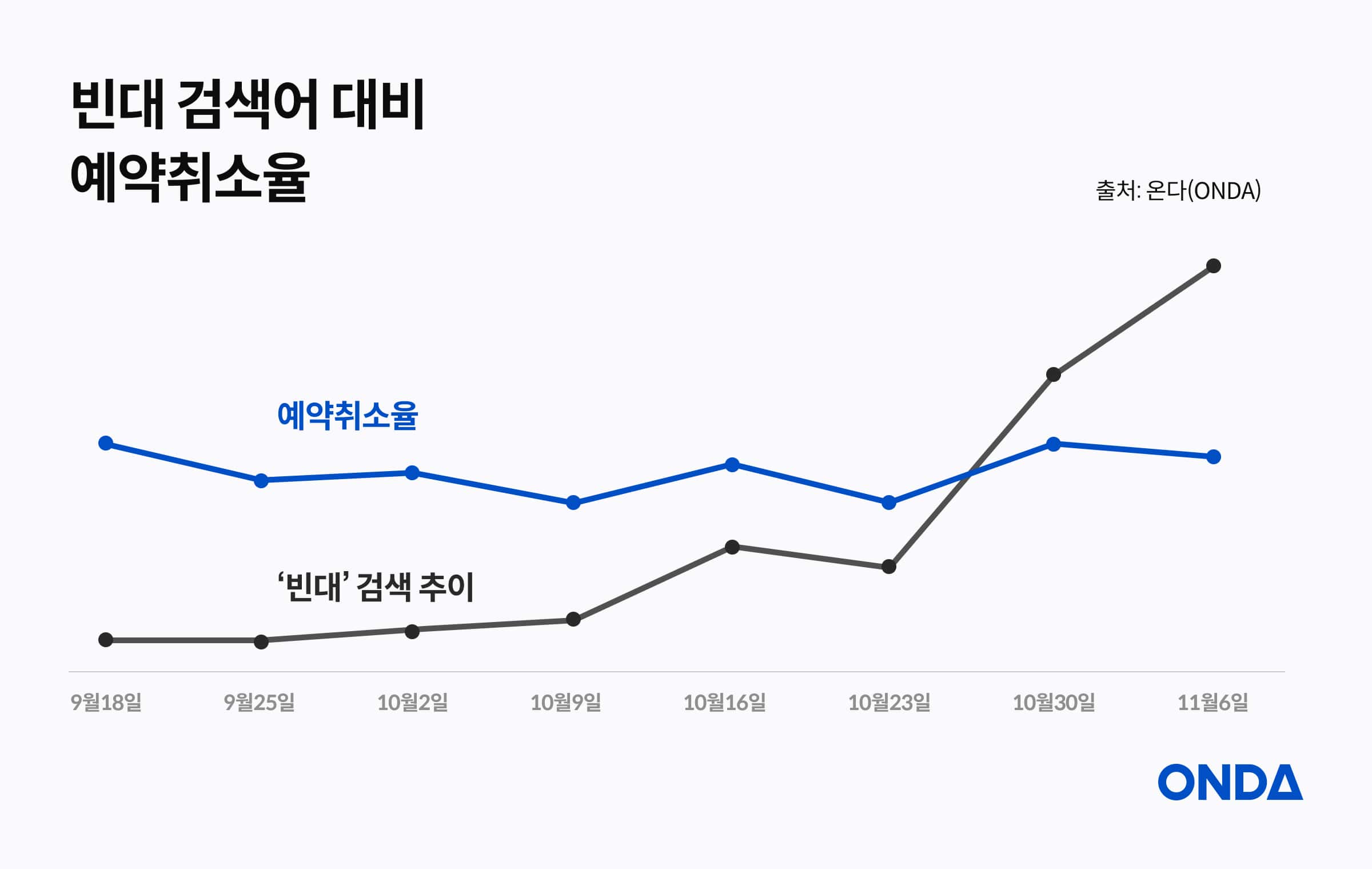
We looked at "bedbug" search volume since September 18 and compared it to cancellation rates in the ONDA system. While bedbug searches have spiked over time, cancellation rates have stayed basically flat.
News outlets are predicting a major hit to the hospitality sector, but so far we're not seeing bedbug-related cancellations move the needle.
Bedbugs have been here all along.
Bedbug news and mentions exploded after October, but this isn't a sudden surge. Yes, post-pandemic travel has increased bedbug frequency, but pest control operators say they've been handling bedbug jobs consistently for the past 7–8 years.
Bedbugs hurt any industry's image, so properties typically deal with infestations quietly through pest control companies. The bugs have been traveling into Korea via international visitors for years — they just flew under the radar.

They don't spread disease, but..
The good news: bedbugs don't transmit infectious diseases. The bad: they feed on human blood, disrupt sleep, and cause skin irritation.
The real problem? They're incredibly hard to kill. Bedbugs can survive 100 days without feeding and reproduce rapidly. They don't pose direct health risks, but they're a persistent, difficult-to-eliminate nuisance.
Here's why eradication is so tough.
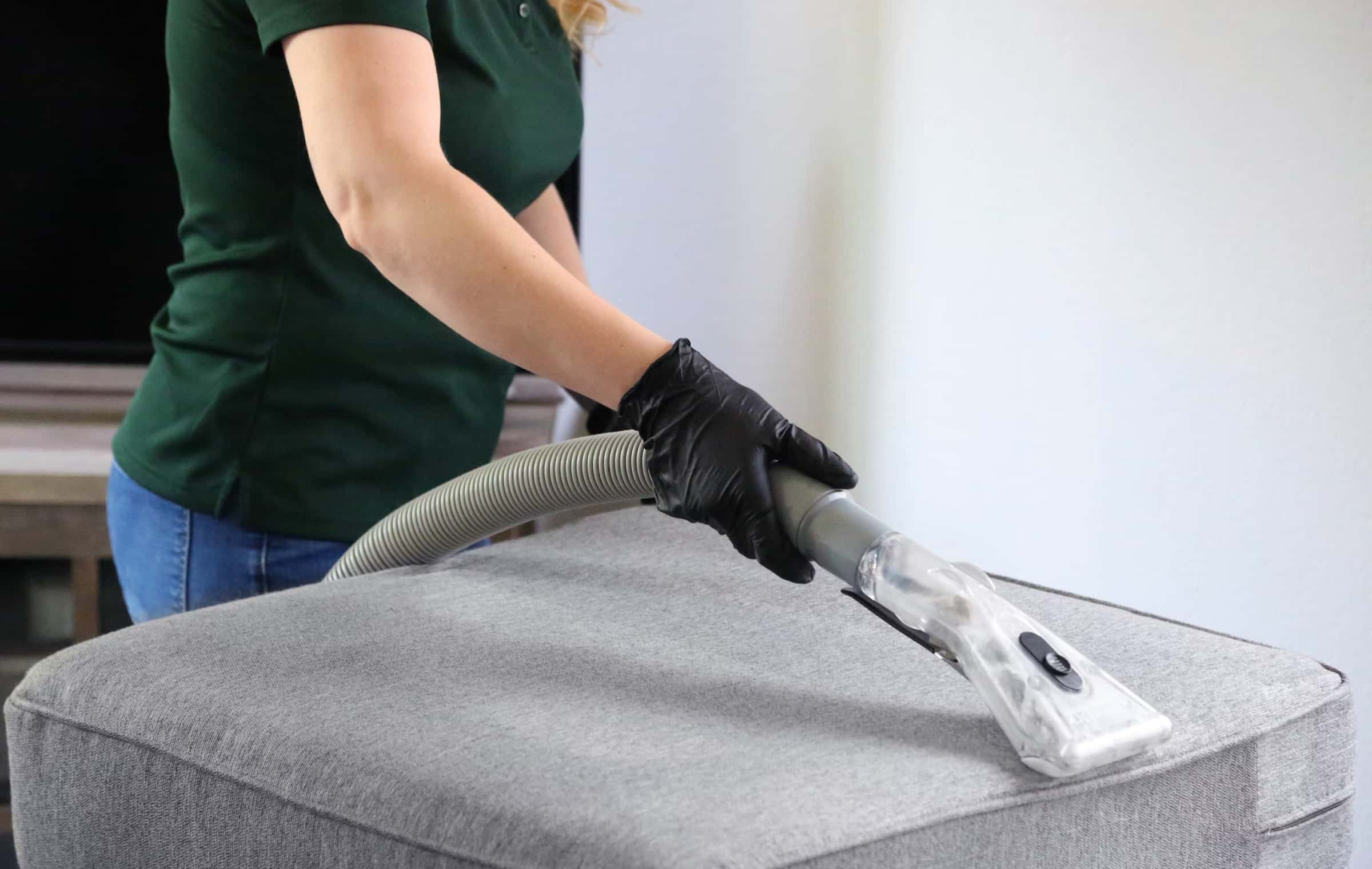
There are two approaches to killing bedbugs: physical and chemical. The most effective method combines both. Physical methods exploit bedbugs' heat sensitivity — using high-temperature steam on infested areas and bedding, or disposing of contaminated items entirely. Chemical methods involve applying approved insecticides directly.
Neither approach is something you can DIY at home. Even if it costs more, hiring a professional pest control service is the smart move.
What to check when staying somewhere
Inspect mattress edges and zipper areas when you check in. Bedbugs typically feed at night and nest near where people sleep. Since they avoid light, try shining a flashlight on the mattress in a dark room — you might catch them scurrying for cover.
If you suspect bedbug exposure during a trip, inspect all your belongings carefully when you get home. Run clothes and fabrics through a dryer on high heat to kill any hitchhikers.