DT is all about flexibility.
⚠️ All rights reserved. Cite this piece as 'ONDA (온다)' when quoting.
The past two years alongside COVID-19 pushed us into a new normal. Food delivery apps let us enjoy restaurant-quality meals at home. Remote work showed millions of office workers they don't need to be in the office to get work done. Some of these shifts became permanent: ghost kitchens proliferated, companies made WFH an official option. Even under lockdown, digital tools gave us the flexibility to adapt.
What Is Digital Transformation?
Digital transformation—often shortened to DX or DT—means using information and communication technology to rebuild traditional structures into digital ones.
Your smartwatch tells time instead of analog hands. A news aggregator curates industry stories just for you. Machine learning (ML), big data, and IoT are reshaping business models. COVID accelerated this shift, and now DT isn't just a corporate priority—it's a personal efficiency tool everyone needs.
Digital Wins Worth Celebrating
No discussion of successful digital transformation is complete without Nike.
Nike Korea alone posted ₩1.67 trillion in revenue for fiscal 2022 (June 2021–May 2022)—up 15% year-over-year. The secret? Doubling down on D2C sales through membership programs, apps, and digital services. This didn't happen overnight. Back in 2019, Nike acquired an AI startup to collect better customer data and sharpen the experience—laying groundwork for the leap forward.
Even traditionally conservative public institutions embraced digital. Korea's Ministry of Patriots and Veterans Affairs automated repetitive document-processing tasks—cutting errors and saving 18,679 work hours annually.
Whether it's boosting revenue or streamlining operations, digital transformation isn't optional anymore.
Digital Strategy for Hotels
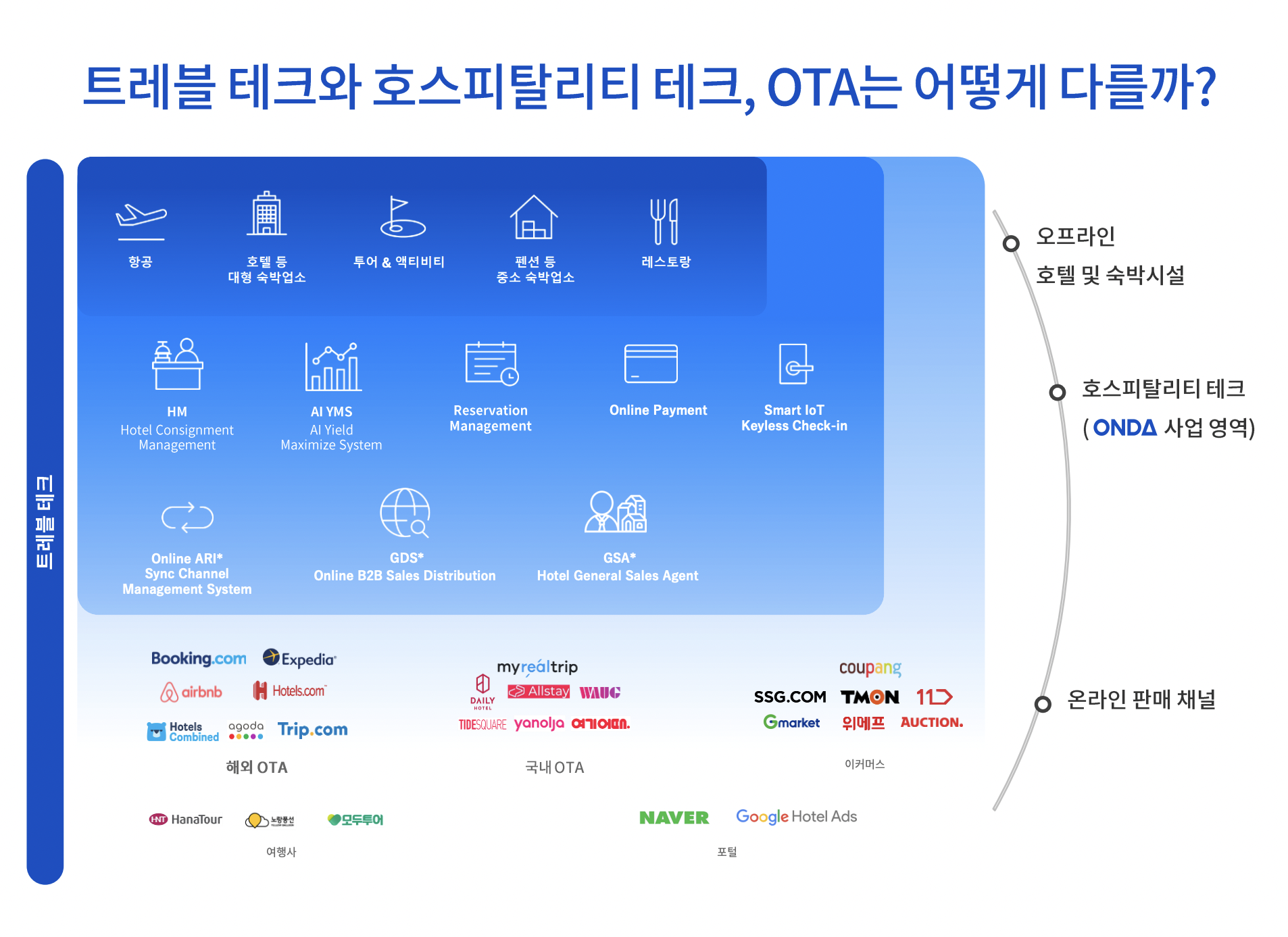
Hospitality tech companies like ONDA constantly explore ways to solve problems digitally. But for the people-centric accommodation industry, DT can feel distant—even intimidating.
So what competitive advantage does digital transformation unlock for hotels?
Data-Driven Revenue Management
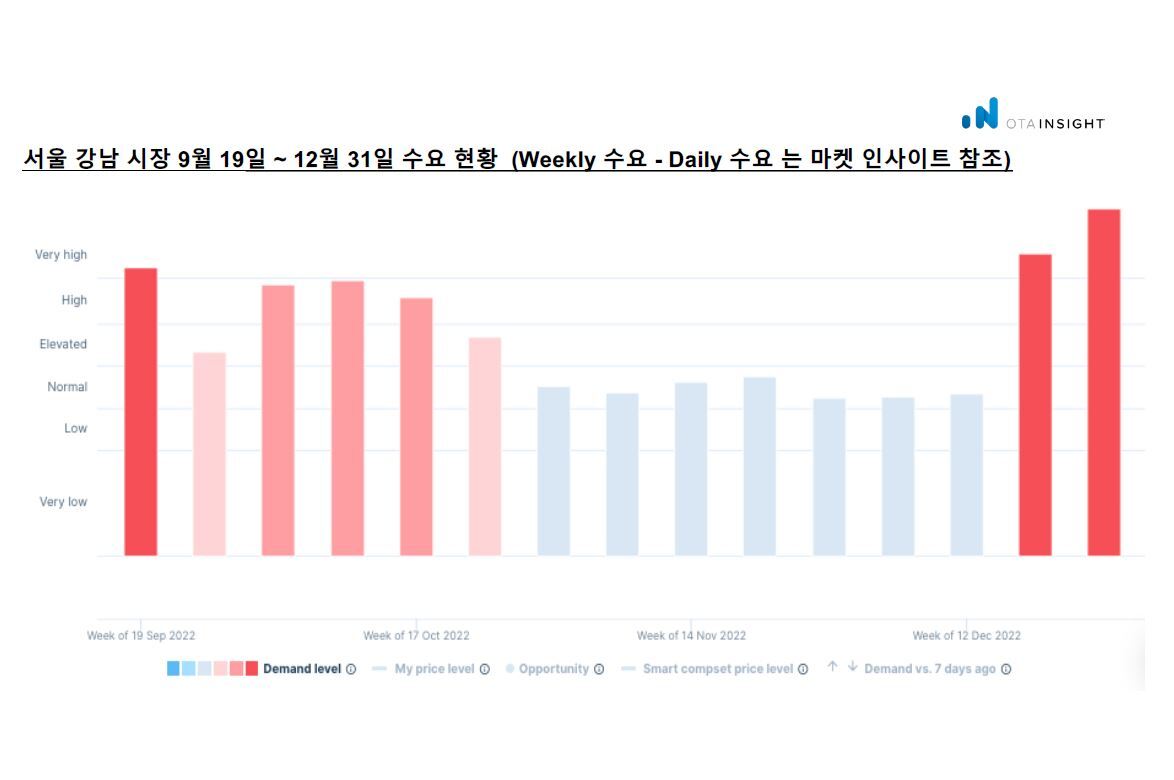
At year-end, oceanview rooms command premium prices—guests happily pay top dollar to watch the sunrise. But charge the same rate on a random Tuesday in bad weather? Your property sits empty while fixed costs pile up. Adjusting prices to market conditions is critical for revenue. This is dynamic pricing.
In the past, hoteliers relied on intuition, historical data, and demand patterns. COVID wiped that playbook clean.
In today's unpredictable market, big data–driven decision-making is essential for revenue management.
Beyond Pricing offers dynamic pricing to Airbnb hosts. OTA Insight—used by over 55,000 hotels globally—leverages ML and AI to maximize revenue opportunities. OTA Insight launched in Korea in 2021, providing visualized big data to help properties prepare for the post-COVID era.
More Efficient Marketing
Online forums, Facebook (Meta), Instagram, blogs, YouTube, Twitter, TikTok—all function as search engines now. To capture travelers' attention, you need presence across as many channels as possible.
Search for a guesthouse on Instagram and what pops up first? Photos from real guests. Below is a search for "Glamdok Pension"—one well-shot image says more than a paragraph ever could.
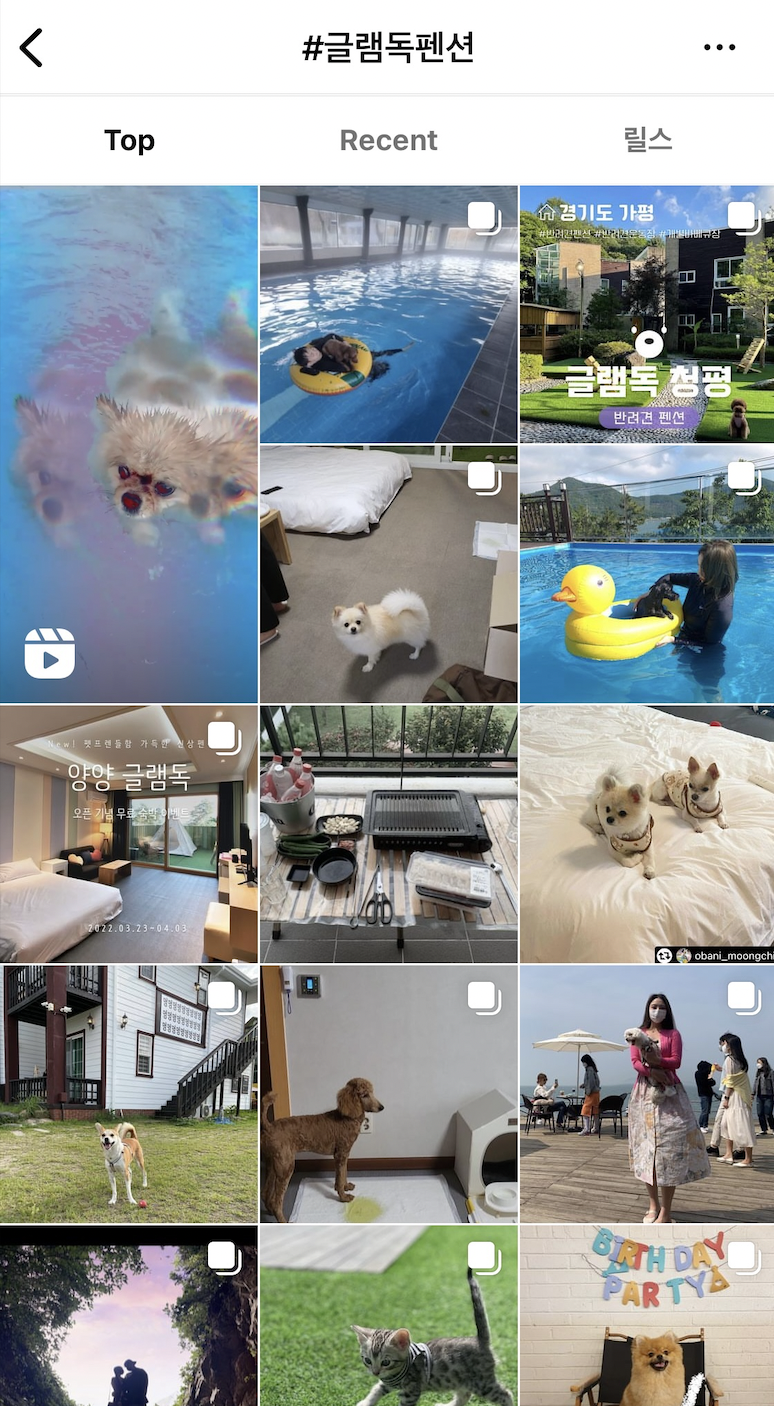
Instagram features like hashtags and people tags extend your property's visibility over time.
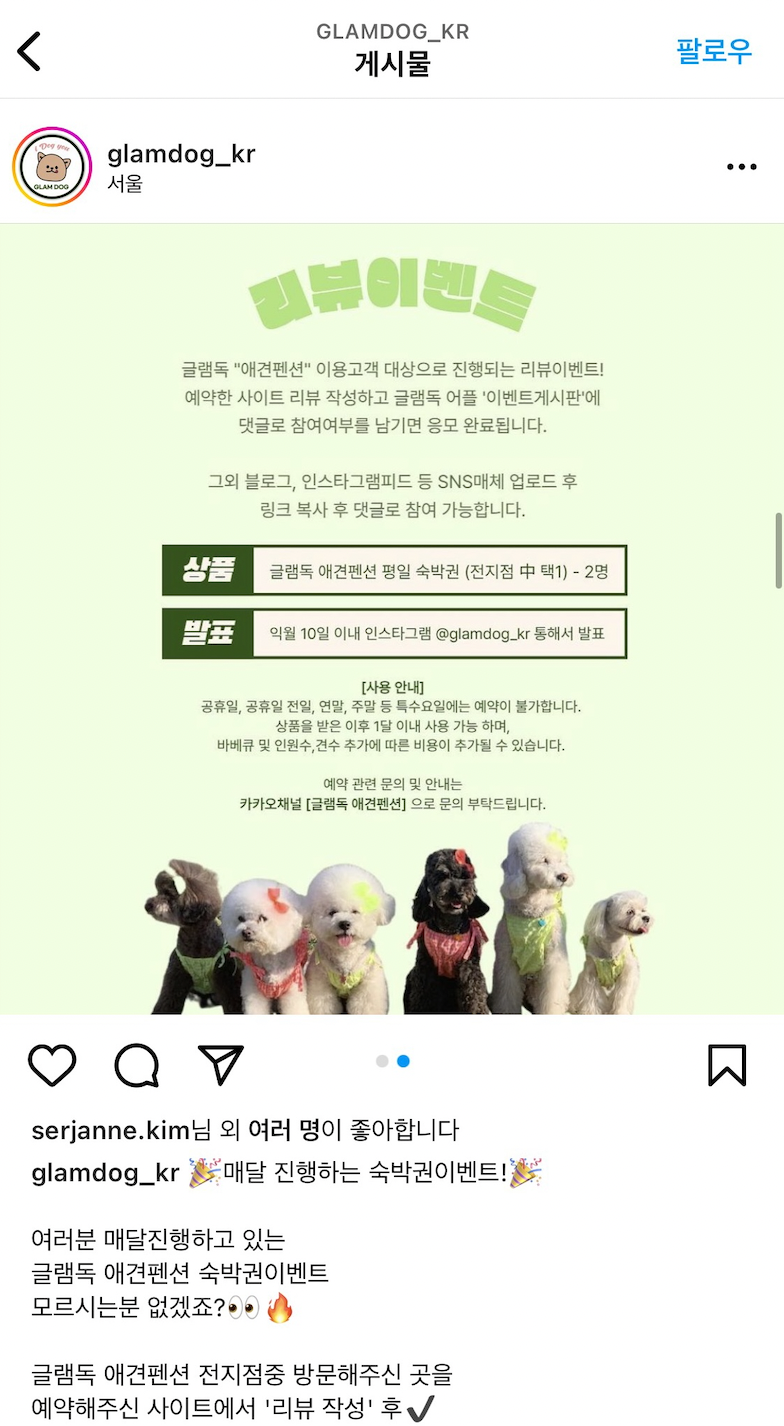
Running engagement-driven events is now effortless.
More properties are building official websites with tools that switch language and currency seamlessly. Add a custom booking engine and you simplify reservation management—while slashing OTA commissions and boosting direct revenue.
A good official site displaying room photos, rates, and policies preempts most phone and text inquiries. Pensions like Jeju Stay Samdal Oreum and Danyang Petit Montblanc have their own sites with policies, photos, and real-time chat—making it easy for guests to decide without endless back-and-forth.
To get your official site in front of global travelers, use SEO (Search Engine Optimization). SEO structures your web pages to rank higher in search results. Rank well and you'll drive organic traffic—no ad budget required.
Solving the Labor Shortage with Digital
The pipeline of hospitality grads is shrinking year by year. COVID pushed workers out of hotels, and many never came back. To cope with tight labor markets and cut fixed costs, hotels worldwide turned to mobile solutions.
Hotelkit, used by over 2,000 hotels globally, digitizes and simplifies repetitive, complex operational tasks—improving workflow and internal communication.
In Korea, Walkerhill Hotel fully digitized guest services. Check-in moved from face-to-face at the front desk to contactless via mobile. Guests can quickly search and book room service, dining, and activities through the hotel's app. Automating routine tasks and using operational tools frees staff to focus on what matters: hospitality.
Customer Experience That Keeps Pace
As generations shift, so do guest expectations. Where a warm smile once defined great service, many travelers now prefer contactless interactions.
Some fear we're losing human connection. But Gen Z and Millennials—the most digitally fluent cohorts—wield growing influence.
Include a short survey link in booking confirmation emails or texts to learn guest preferences for welcome drinks or amenities. Swap cable chargers for wireless charging pads—they break less often and cut down on maintenance calls. Install motion-sensor lighting so you don't have to remind guests to switch off lights. Screen-mirroring from personal devices to in-room TVs is now table stakes. Digital-driven experiences matter more than ever.
Monscierge uses digital signage to deliver useful local info—weather, events, restaurant recommendations—at a glance. In Korea, 14 hotels use DOWHAT, a cloud-based platform that lets guests self-check-in via mobile, place orders without calling the front desk, control room lighting and temperature via IoT, browse local attractions, and check in at kiosks with their smartphones. If you have tablets, smartphones, and network connectivity, adopting these digital features doesn't require a huge lift.
Travel and Hospitality in a New Era
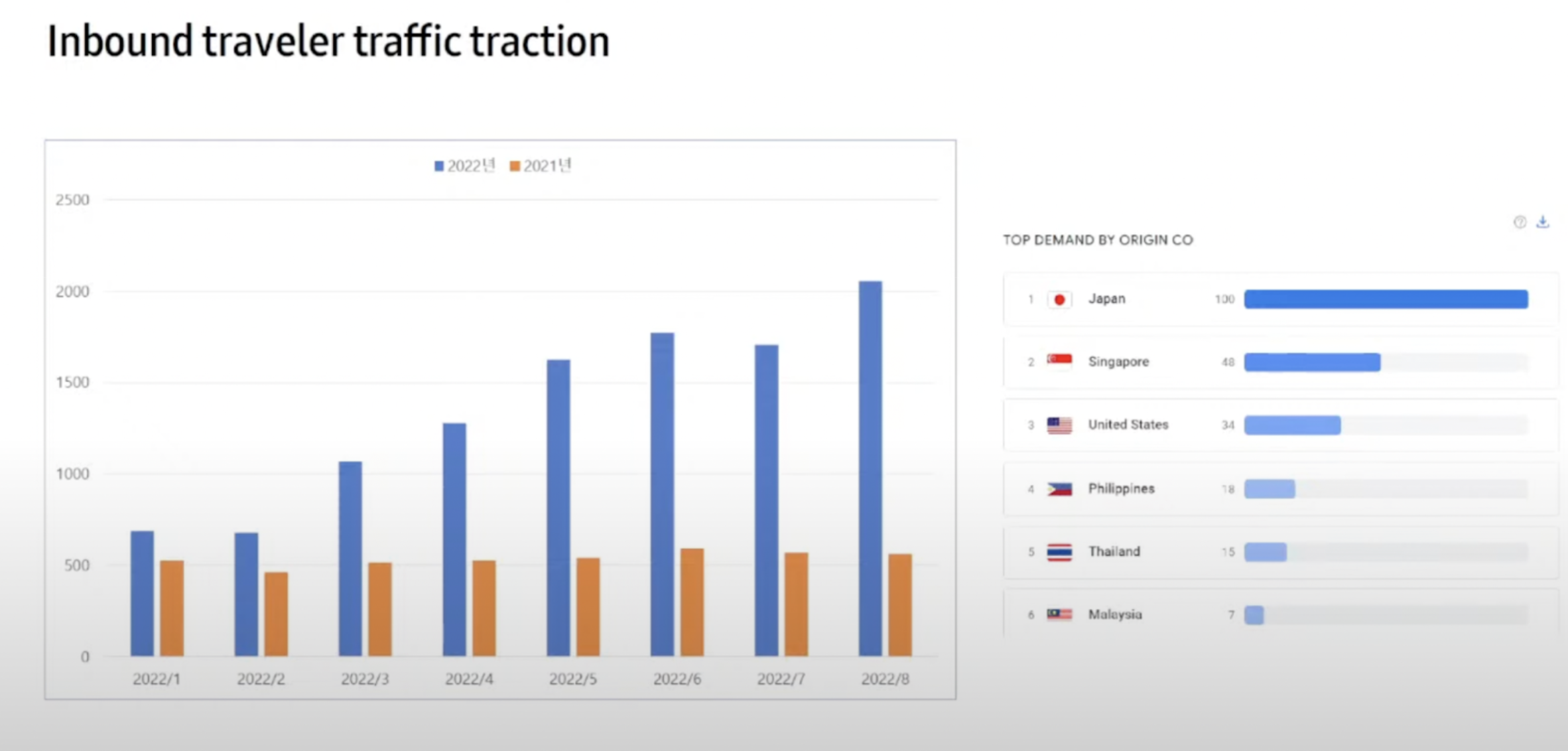
As we move into the post-COVID era, hoteliers need to prepare for the return of inbound tourism. Before the pandemic, Korea welcomed over 17.5 million international visitors. Many now forecast we'll hit 20 million once conditions stabilize.
The world has experienced Korean culture—K-pop, K-dramas—mostly online. With quarantine restrictions lifted, the people who discovered Korea digitally are ready to experience its culture, food, and music in person.
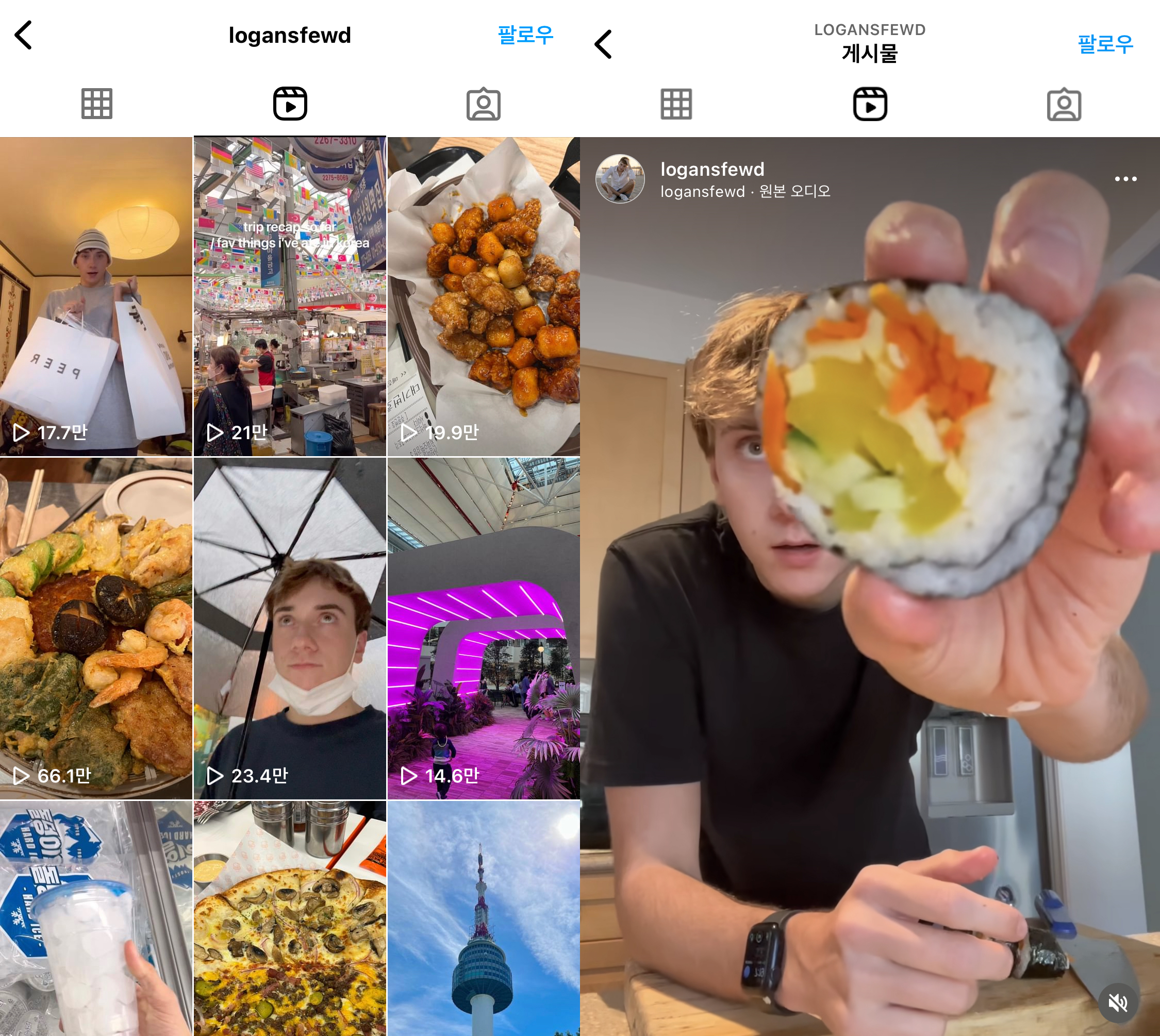
The chart above shows flight and accommodation searches for Korea. August alone saw 3× the search volume year-over-year. More people want to experience Korea firsthand. Take Logan (@logansfewd), a Canadian influencer from Ottawa with 158k followers. He started with pho recipes, discovered Korean food through YouTuber Maangchi, and began posting Korean cooking content. He recently visited Korea and documented his experiences at restaurants and shops he'd always wanted to try.
To welcome 20 million—or even 30 million—inbound visitors, we need to move fast. Digital transformation isn't about moving offline tasks online or swapping face-to-face service for contactless. It's about making services and operations more efficient and convenient—while giving guests new experiences.
According to Deloitte research, companies that execute digital transformation well see revenue growth—and higher ROI. Adopting digital tools is the first step toward revenue growth and operational excellence.