Thailand's Chiva-Som pioneered wellness hospitality before it went mainstream. Secluded, spa-driven, and designed for rest over activity—here's what makes a healing resort work.
10. Hospitality Development/Operations Success Stories (3) A Visit to Chiva-Som Resort
By Fortluck (https://brunch.co.kr/@nicejty0)
Continuing from last week, here's the third case study in our series on successful hospitality development and operations. Today, we're looking at luxury resorts.
As people's lifestyles diversify, so do travel patterns. Traditionally, accommodations were just one component of a trip — not the destination itself, but a functional necessity for safe sleep and meals during travel.
These days, though, more travelers seek rest and escape from daily stress. The property itself has become the main event. As wellness becomes a core concern for modern consumers, healing- and health-focused resorts are on the rise.
Let's dive deeper into healing-concept resorts.
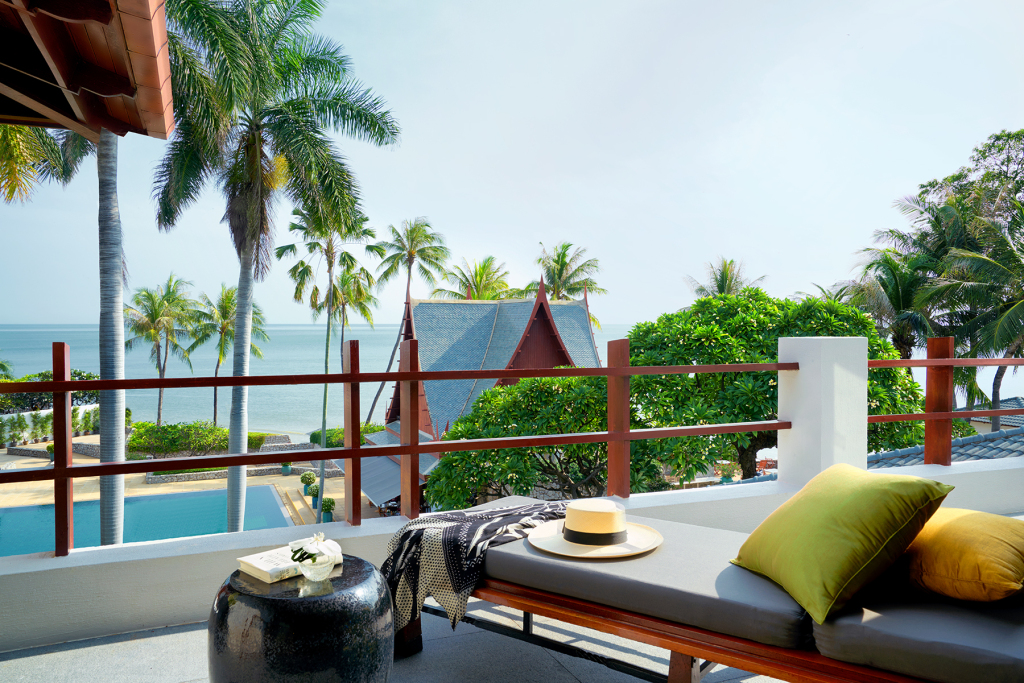
Source: https://www.chivasom.com
What Makes a Healing Resort
A few things need to come together. First, a beautiful, secluded natural setting. Normally, tourist destinations should be easily accessible from major population centers like Seoul. They should offer plenty of things to see and do — because resorts live and die by their ability to draw crowds.
But healing-concept properties flip this script. You can't truly unwind in a place teeming with tourists. And if the goal is rejuvenation, you don't need endless attractions.
Facilities should lean toward quiet, passive activities — spa treatments, hiking — rather than high-energy options like skiing or water parks. Calm beats chaos when the aim is rest.
Food matters, too. Think local, organic, low-sodium meals built around regional ingredients.
Korea has plenty of healing-concept resorts: Resom Forest (Jecheon), ES Resort (Jecheon, Tongyeong), and others. Since you can visit those anytime, let me introduce an outstanding example from overseas.
Comfort and Healing in Abundance: Chiva-Som Resort, Hua Hin
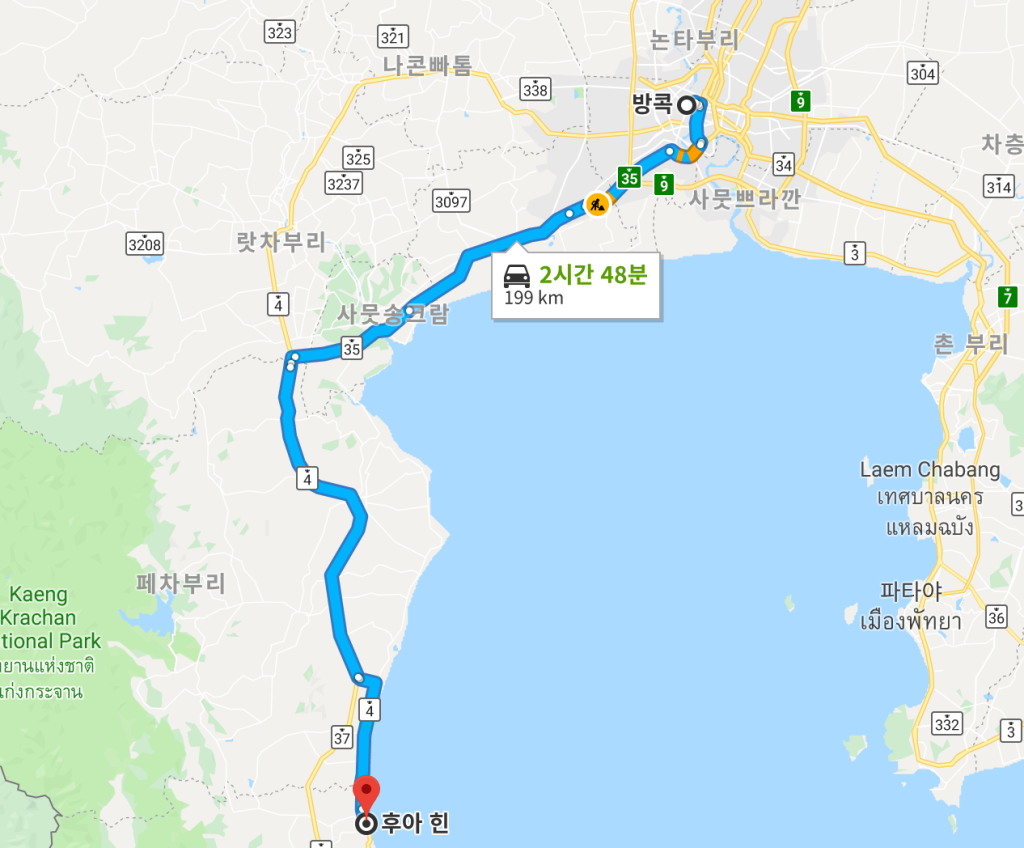
Hua Hin, a famous resort town southwest of Bangkok
About 230 km southwest of Bangkok, you'll find Hua Hin — a stunning beach town that became a royal retreat after King Rama VII built a palace there in 1926. Thai royalty have favored it ever since.
Like any major resort destination, Hua Hin is packed with hotels — InterContinental, Hyatt, Sofitel, and more. But if you're after a true healing experience, Chiva-Som Resort stands out. The UK's Leisureader's Travel Awards named it "World's Best Destination Spa." That's not hype — it's earned.
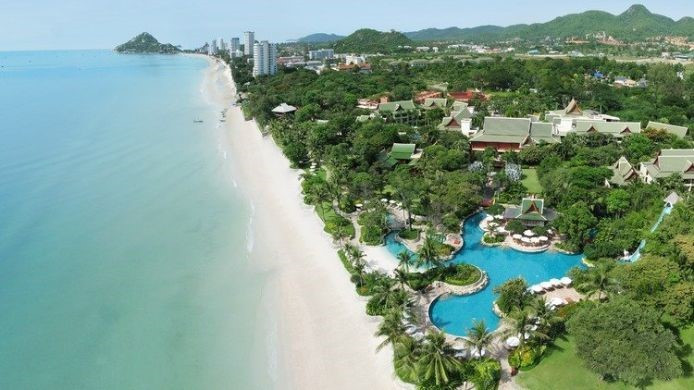
The beautiful beaches of Hua Hin
What Sets Chiva-Som Apart
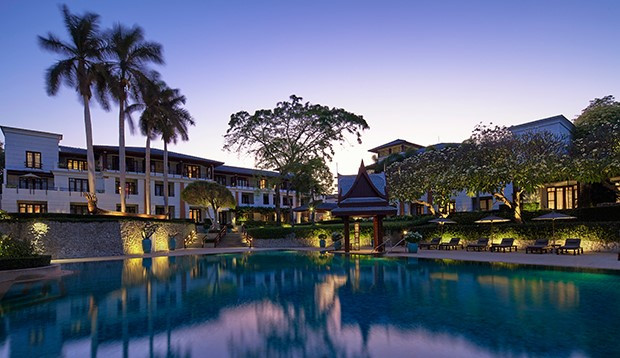
"Heaven of Life" — Chiva-Som Resort (Source: https://www.chivasom.com)
Chiva-Som isn't just a place to sleep. It's a full-scale healthcare retreat. The resort offers nine specialized programs: "Art of Detox," "Eternal Youth" (skincare and massage), "Fitness" (spa and leisure), "Weight Management," and more.
The basic "Taste of Chiva-Som" program runs a minimum of 3 days, up to 14. It includes signature activities like spa treatments, fitness sessions, and massage.
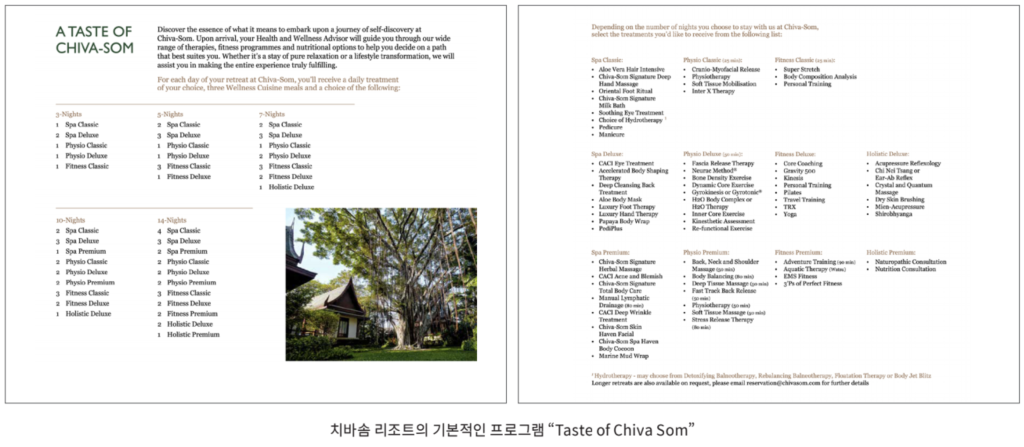
What makes it feel credible? Programs are run by qualified doctors, nurses, and physical therapists from the resort's on-site clinic. That's a big step up from generic spa offerings.
There's also a weekly guest mixer — important for long-term guests who might otherwise feel isolated. It's an easy way to break the ice with people you keep running into.
Chiva-Som has just 58 rooms and a max capacity of 90 guests. But it employs around 400 staff (not including 50 HQ sales and marketing people). That's more than four staff members per guest. Wild ratio.
Beyond the rooms, you'll find indoor and outdoor pools, a yoga studio, fitness room, dance studio, retail shops (jewelry and souvenirs), spa/therapy rooms, restaurants, and a library.
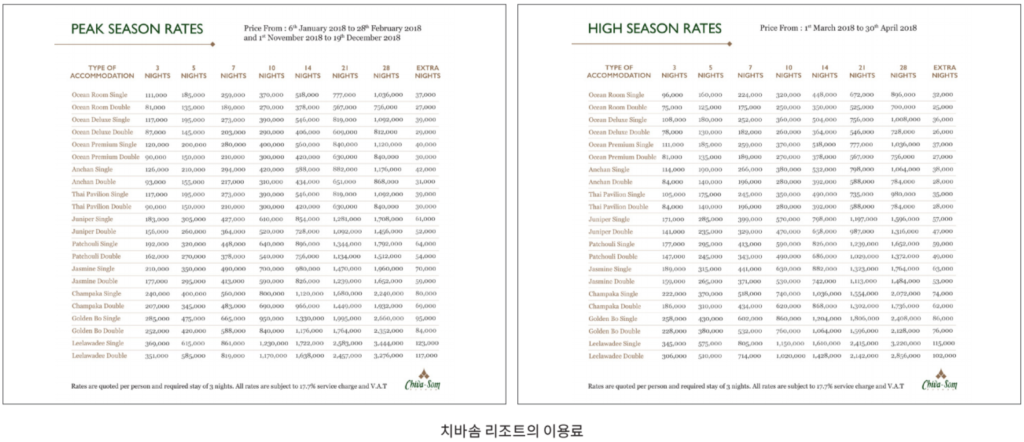
By now you've probably guessed: Chiva-Som is expensive. A 3-night program runs over 4 million KRW per person. That's why it's a favorite of the David Beckhams of the world. Core clientele: wealthy guests from the UK, Australia, and Asia.
My Experience at Chiva-Som
I had the chance to visit Chiva-Som for benchmarking. The level of service was extraordinary — you genuinely feel pampered.
Staff remember your name, your preferences, even past conversations. They'd greet you by name, recommend dishes based on what you liked before, and pick up threads from earlier chats. That kind of personalization is rare anywhere, let alone at scale.
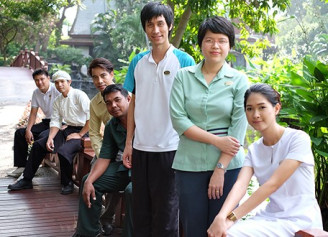
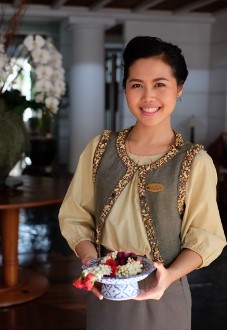
The other guests I met during my program were from India and Taiwan. We naturally struck up conversations. They were, unsurprisingly, quite wealthy.
Why Chiva-Som Works
High-end resorts aren't typically cash cows. Fixed costs are enormous — especially labor. Delivering top-tier service requires a large, skilled staff. Maintaining spotless, comfortable facilities takes even more people. Labor becomes the dominant expense.
So how does Chiva-Som employ so many people and still turn a profit?
Because it's in Thailand. Labor costs are rock-bottom. If you tried this staffing model in Korea, you'd bleed money. The GM confirmed as much in an interview: labor arbitrage is the secret.
Chiva-Som is eyeing international expansion — specifically Bhutan. Again, dirt-cheap labor.
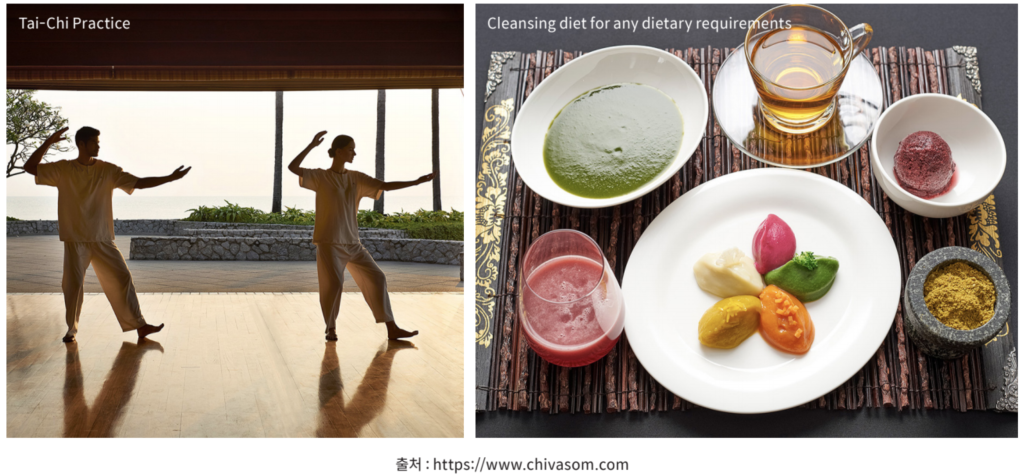
Another reason: year-round demand. Korea has four seasons — distinct high and low periods. Thailand's tropical climate means no winter slump. You don't need insulation or heating systems, so construction is cheaper. Maintenance is easier, too.
The tropical monsoon climate (yes, there's a rainy season, but still) makes it easy to maintain the eco-friendly, nature-first aesthetic. Lush greenery, vibrant flowers — all year long.
This is why Southeast Asia has so many luxury retreats. And Hua Hin's royal pedigree? That's free marketing for Chiva-Som.
Finally, the specialized programs. What truly differentiates Chiva-Som from other luxury resorts is its professional-grade wellness offerings. Even when you're on a healing retreat, you can't just do nothing all day.
Chiva-Som structures your day with detox protocols, weight management plans, meditation sessions, and more. Professional consultants tailor exercise routines, massage therapies, and meal plans to your needs. It's short-term, but you actually see results.
After experiencing Chiva-Som firsthand, I came away thinking: it's tough to replicate this success in Korea. Unlike global resort destinations that draw wealthy travelers worldwide, Korea's market is limited to domestic high-income earners. And geopolitics — THAAD, North Korea — constantly threaten inbound tourism.
High labor costs and staffing challenges in rural areas compound the problem.
How Should Korea Approach Wellness Resorts?
So what's the playbook for Korean resort development? Minimize facility investment. Lean into eco-friendly design. Start small and scale in phases.
To boost occupancy and solve staffing issues, consider selling residential units within the resort — targeting retirees. They dream of countryside living but still need income.
Here's the model: they live on-site in nature and work at the resort. They're employees, residents, and guests rolled into one. And when their kids, relatives, or friends visit, they become new customers. Win-win for occupancy.
Korea's tourism market remains brutal. Outside a few conglomerates like Daemyung and Hanwha — who've achieved economies of scale with nationwide chains — almost no one is profitable.
Who will crack the code and build a sustainable business model in this space? That's the question worth watching.
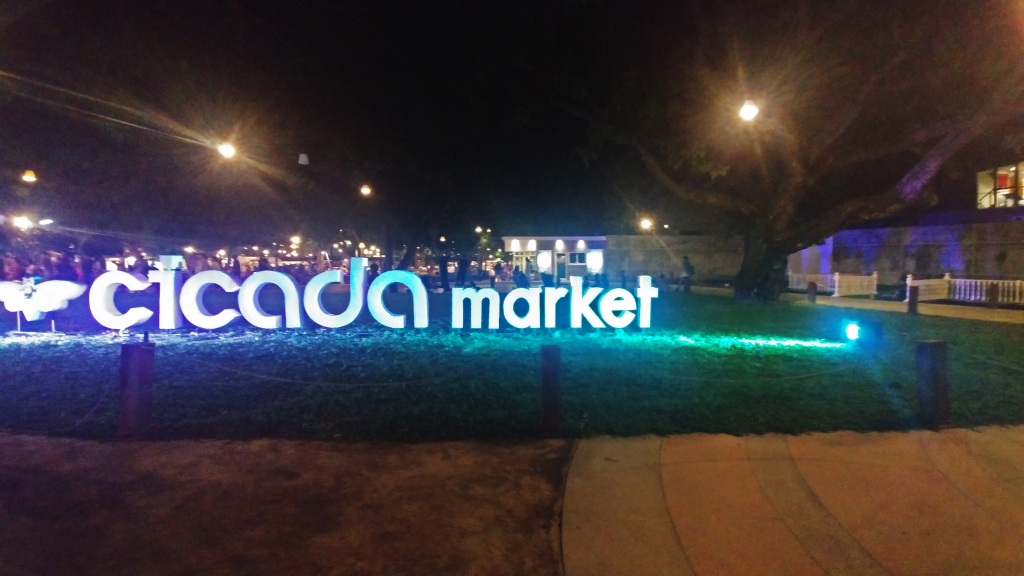
Hua Hin's famous Cicada Market
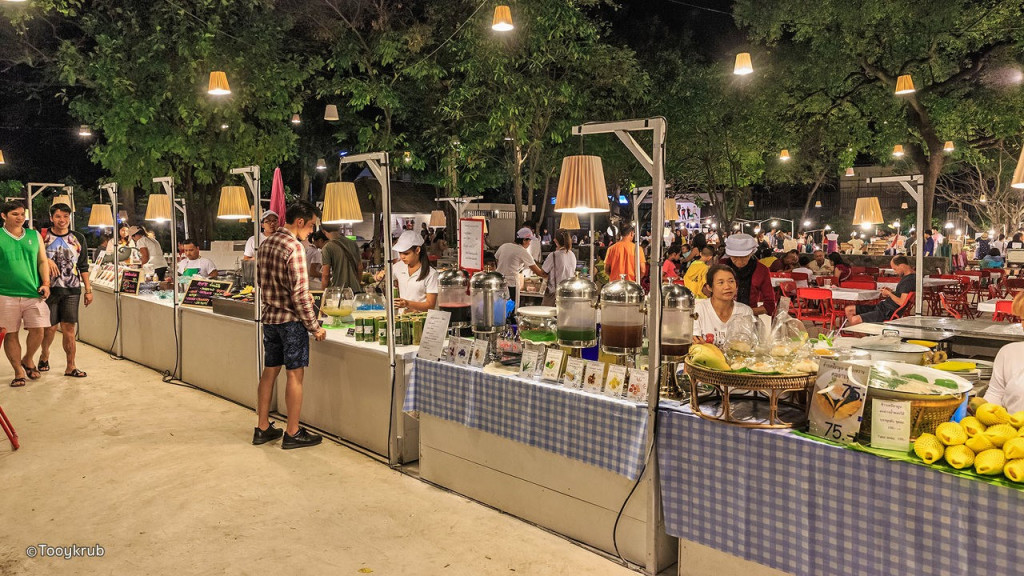
Source: Tooykrub / Shutterstock.com
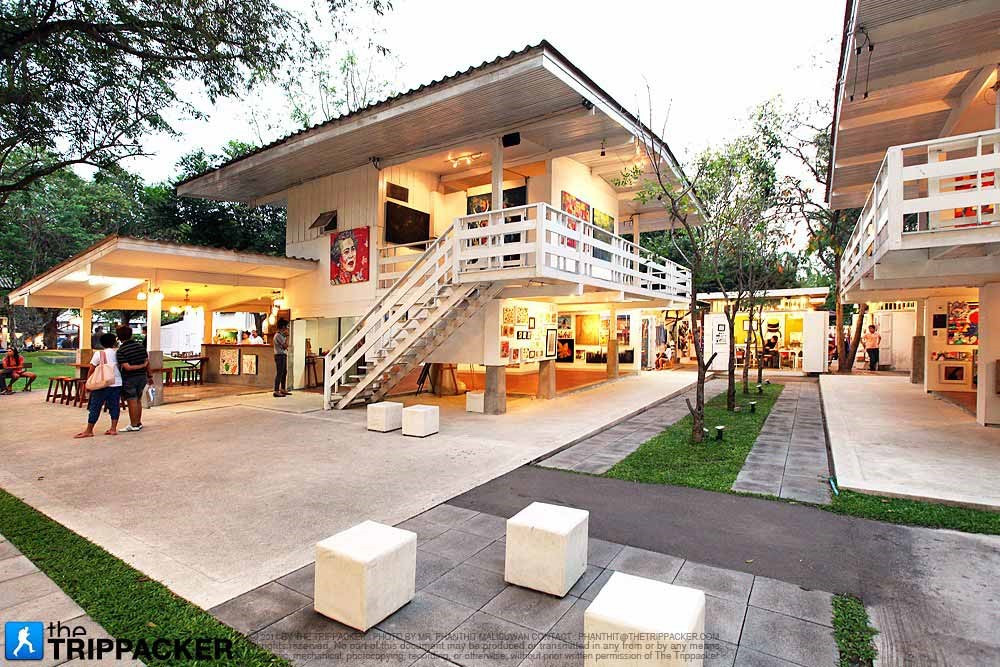
Source: https://www.thetrippacker.com
- PS) If you visit Chiva-Som, don't miss Cicada Market — Hua Hin's famous night market. It's a 15–20 minute walk from the resort. The scale is impressive, with tons of food, shopping, outdoor performances, and events. If you're ever in Hua Hin, make this a must-see.
[Series Index]
2018.03 The Origin and History of Hotels
2018.04 The Evolution of Korea's Hospitality Industry
2018.05 Characteristics of the Hotel Industry
2018.06 Quick Guide to Hotel Terminology
2018.07 Key Functions and Facilities of Hotels
2018.08 Hotel Operating Models
2018.10 Hospitality Development/Operations Success Stories (1)
2018.11 Hospitality Development/Operations Success Stories (2)
2018.12 Hospitality Development/Operations Success Stories (3)
2019.01 Hospitality Development/Operations Success Stories (4)