Pet-friendly and family travel demand is booming in Korea—and niche platforms curating pet stays and kids' resorts are growing fast. If you run a dog-friendly pension or a kids' pension, these channels deserve your attention.
Hello subscribers—welcome to the last Weekly ON of February. We were hoping for warmer weather as March approaches, but it looks like late-winter cold is just getting started. Temperatures are expected to drop sharply in early March, so stay warm and watch out for colds 😀
⚠️ All rights reserved. Cite this piece as 'ONDA (온다)' when quoting.
Today's Weekly ON
🏨 Pet & Kids Pensions: Why Vertical Travel Services Matter
💡 How Do Hotel Guests Really Feel About Robots?
⌨️ #RuralGuesthouses #HotelGrading #InboundTravel #DigitalTouristID #UKShortTermRentals
🏨 Industry Talk
Pet & Kids Pensions:
Why Vertical Travel Services Matter
Where did you book your last trip? From local platforms like Yanolja and Yeogi Eottae to global players like Agoda and Airbnb, there's no shortage of booking channels.
For a standard trip, you can just pick the cheapest or best deal. But when you're traveling with a pet or kids, you need more specific filters: dog-friendly? Kid-proof facilities? That kind of search takes work.
Pet vacations and family getaways are driving the rise of vertical travel services—platforms that specialize in a single niche. If you operate a dog-friendly pension or a kids' resort, these channels are worth paying attention to.
What's a Vertical Travel Service?
The term might sound unfamiliar, so let's break it down.
"Vertical commerce" combines vertical (as in niche) with commerce. Instead of selling everything to everyone, vertical commerce platforms focus on a single category and do it really well.
Vertical travel services apply the same logic: they curate accommodations and experiences around a specific theme—pets, kids, camping, etc.—and serve a hyper-targeted audience.
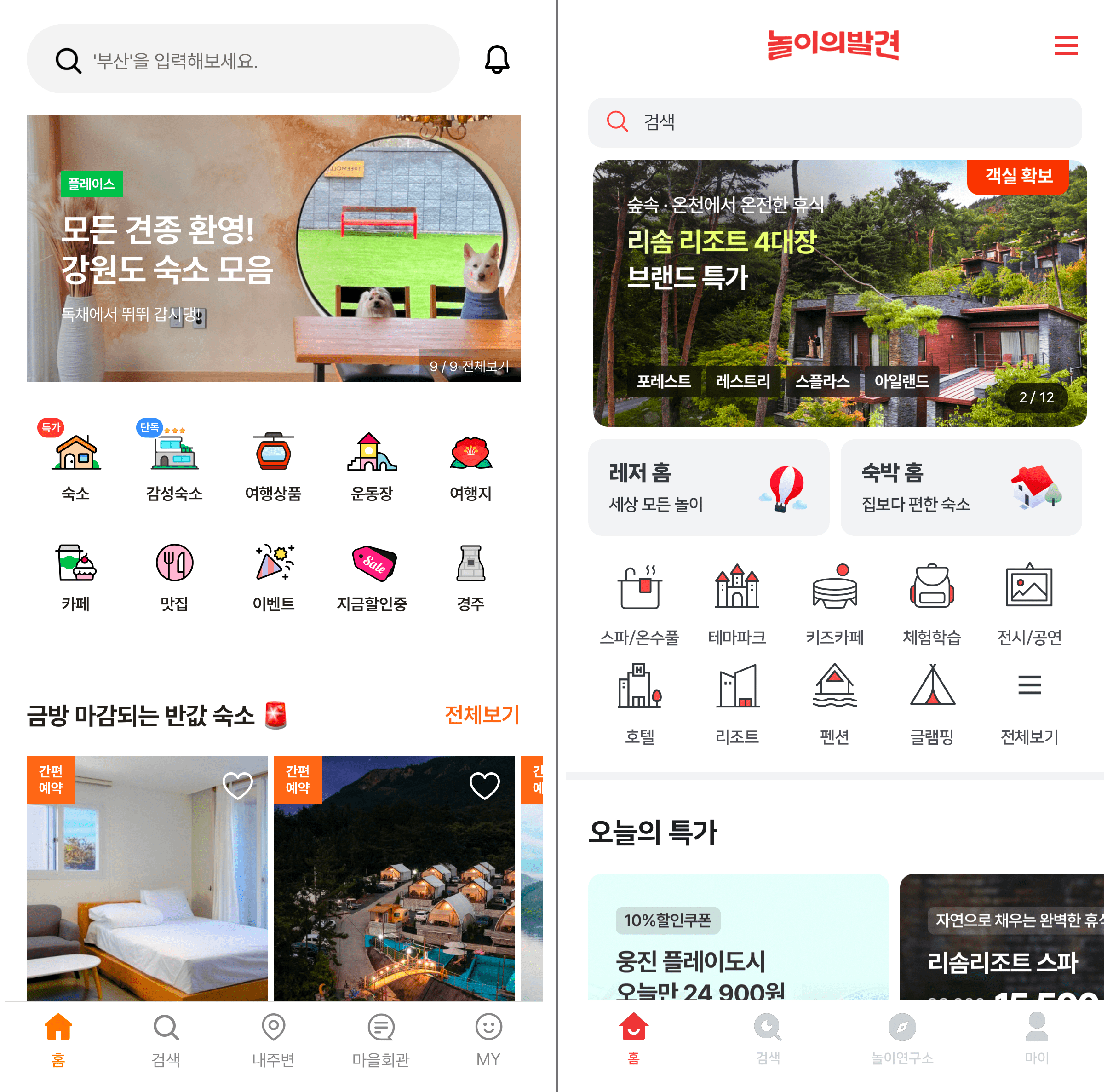
Ban-Life is a platform exclusively for pet-friendly stays. Nolbal ("Playground Discovery") focuses on family travel—kid-friendly pensions, kid-safe activities, you name it. These are textbook examples of vertical travel platforms.
As pet and family travel grow, so do the verticals. Even mainstream travel platforms are launching dedicated pet and kids categories to capture this demand.
How Fast Are They Growing?
More travelers are discovering these platforms—and new ones keep popping up. The growth curve is steep.
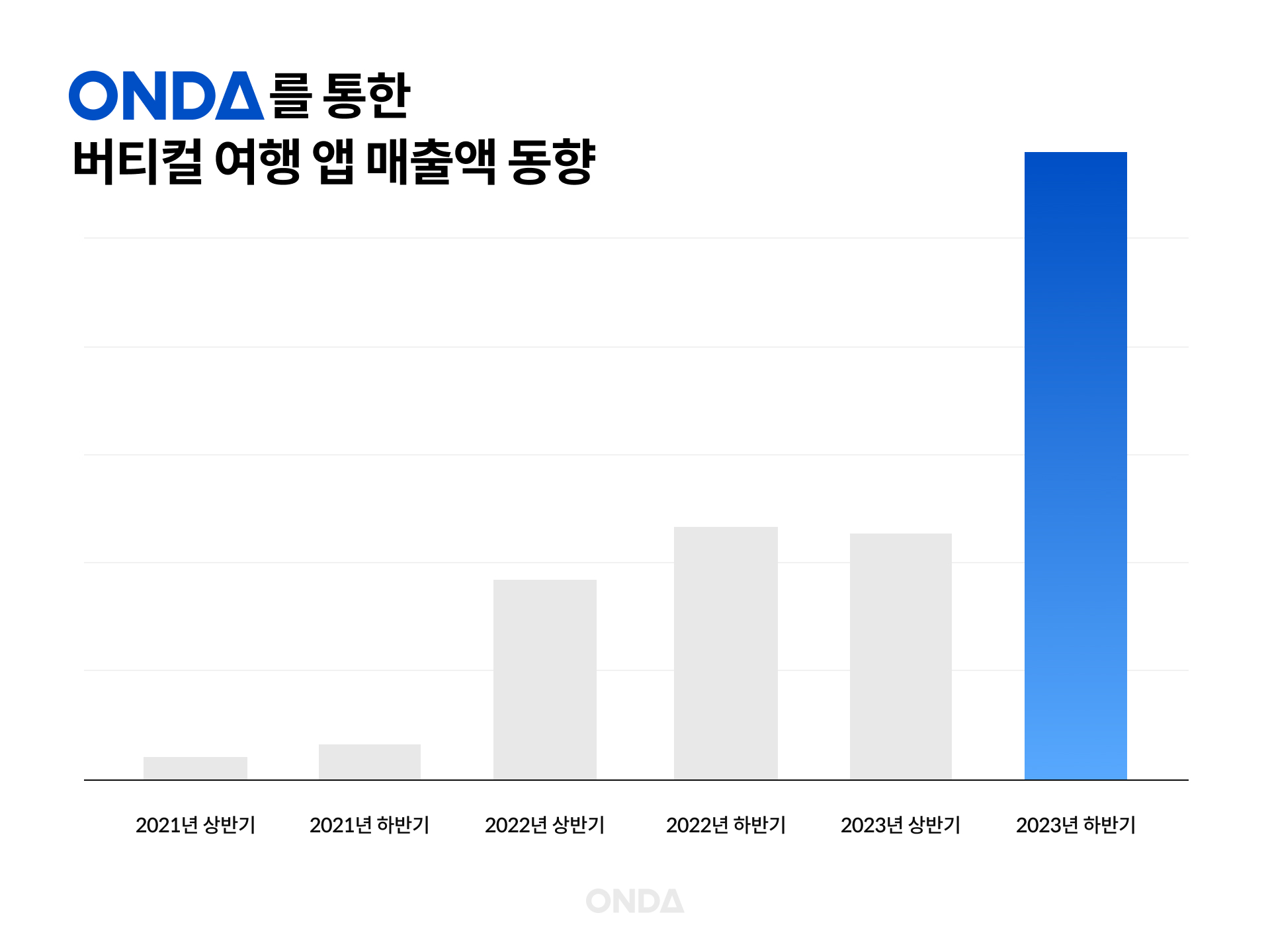
According to ONDA data, revenue from vertical travel apps (pet, kids, camping) jumped 92.31% year-over-year in 2023.
As pet travel and family getaways become mainstream, bookings through niche platforms will only accelerate.
Why do travelers choose vertical services over the giants? Find out below.
👉 Should You Sell Your Rooms on Vertical Travel Apps?
💡 Hospitality Trends
How Do Hotel Guests Really Feel
About Robots?
Last June, the Korea Hotel Association found that domestic hotels were short-staffed by an average of 8.1% across rooms, F&B, and other departments. The pandemic is over, travel is back—but hotels are stretched thin, scrambling to meet demand with fewer people.
Their answer? Service robots. Major Korean hotel groups—Glad, Josun, Hanwha, Lotte—have already deployed robots or announced rollout plans. The pitch is simple: fill staffing gaps, improve efficiency, keep costs down.
But robots also raise a familiar concern: will they hurt service quality? What do guests actually think?
A recent study in France found that 61% of hotel guests had a positive experience with robots. Families with kids and couples were especially receptive. Business travelers, though, still preferred human interaction.
Curious about the details? Read the full story below.
👉 Read the Full Report
⌨️ Keyword News
1️⃣ Rural Guesthouse Floor Area 👉 [full story]
TL;DR: Size cap for rural guesthouses to be relaxed
The story: The government is expanding the floor-area limit for rural guesthouses to boost rural tourism. The Ministry of Agriculture is drafting broader regulatory reforms.
What it means: Korea now has 33,321 rural guesthouses—already more than the 29,928 licensed hotels. Expect that number to keep climbing.
2️⃣ Hotel Grading Standards 👉 [full story]
TL;DR: Hotel star ratings getting a revamp
The story: The Korea Tourism Association is overhauling the hotel grading system to ease compliance burdens. The new criteria will be unveiled this fall.
What's changing? Grading tiers will be streamlined, subjective criteria cut, and outdated tech requirements dropped.
3️⃣ Inbound Travel Patterns 👉 [full story]
TL;DR: Inbound tourists shifting from groups to solo/FIT travel
The story: BC Card data shows foreign arrivals dropped 38.5% and spending fell 41.2% last year—but the number of cards used declined only 7.2%, and transaction volume just 15.8%.
Spending mix: Shopping's share plummeted; dining, experiences, and transport all grew.
4️⃣ Digital Tourist Resident Card 👉 [full story]
TL;DR: Digital Tourist Resident Card expanding to 40 regions
The story: The Ministry of Culture and Korea Tourism Organization plan to add up to 25 new regions to the Digital Tourist Resident Card program—designed to boost tourism and population in shrinking areas.
Results so far: The program launched in 15 regions. In Pyeongchang and Okcheon (the pilot cities), over 140,000 cards have been issued—about 1.5× their actual populations.
5️⃣ UK Short-Term Rental Registration 👉 [full story]
TL;DR: UK introducing mandatory registration for short-term rentals
The story: Facing a housing crunch driven by vacation rentals, the UK government will require all holiday lets to register with a national database.
Scale: Between 2018 and 2021, short-term rental listings in the UK jumped 40%—with tourist hotspots seeing the steepest growth.