'AIEO (AI Engine Optimization)' — the 4-step playbook
⚠️ All rights reserved. Cite this piece as 'ONDA (온다)' when quoting.
In This Week's Issue
🏨 AI Visibility Checklist: 4 Ways to Make AI Find Your Property
💡 Seoul City Pushes to Open Foreign-Only Minbak to Korean Travelers
⌨️ #Motel count down 30% #Hotel app boom #Yanolja leadership shake-up #2026 tourism budget #China travel spike
🏠 Industry Deep Dive
AI Visibility Checklist: 4 Ways to Make AI Find Your Property
Last week's newsletter we talked about authenticity in AI-era marketing for pensions and hotels. But what if guests never find your property in the first place?
"Okay, so what do I actually need to do — today?"
Today we're giving you the most actionable answer: a practical AIEO (AI Engine Optimization) playbook. You've spent years optimizing for Naver and OTA rankings. Now it's time to get serious about GEO (Generative Engine Optimization).
A recent SOCi AI report laid it out starkly: AI search is brutal. There's no page two or three like Naver. Either you're in the AI's answer — or you're invisible.
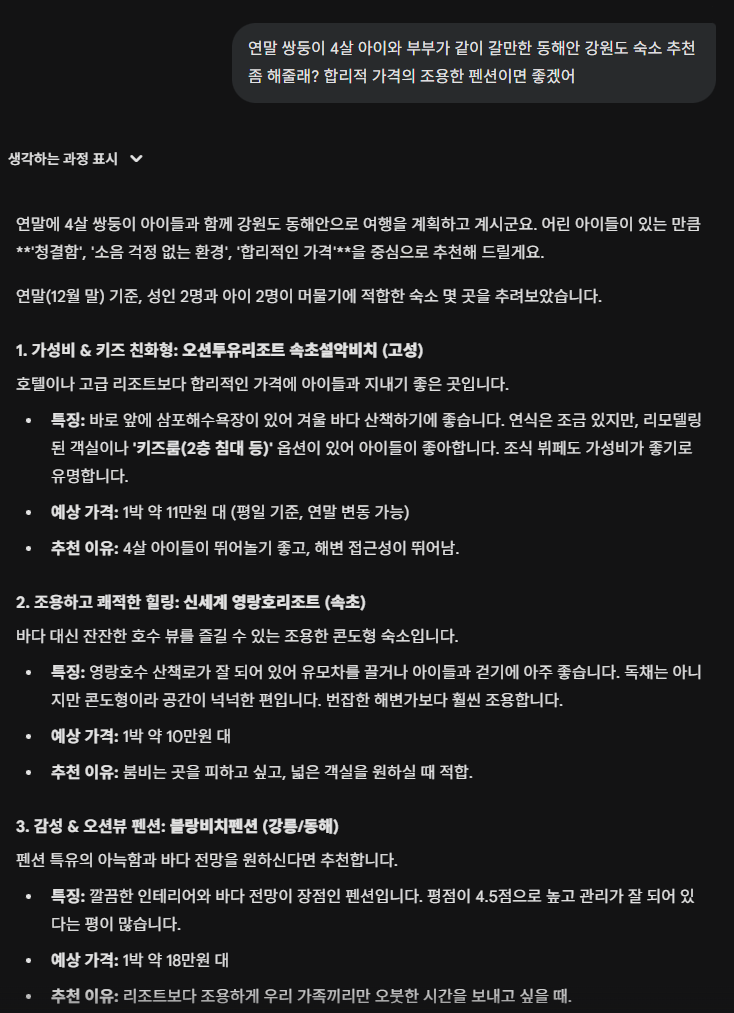
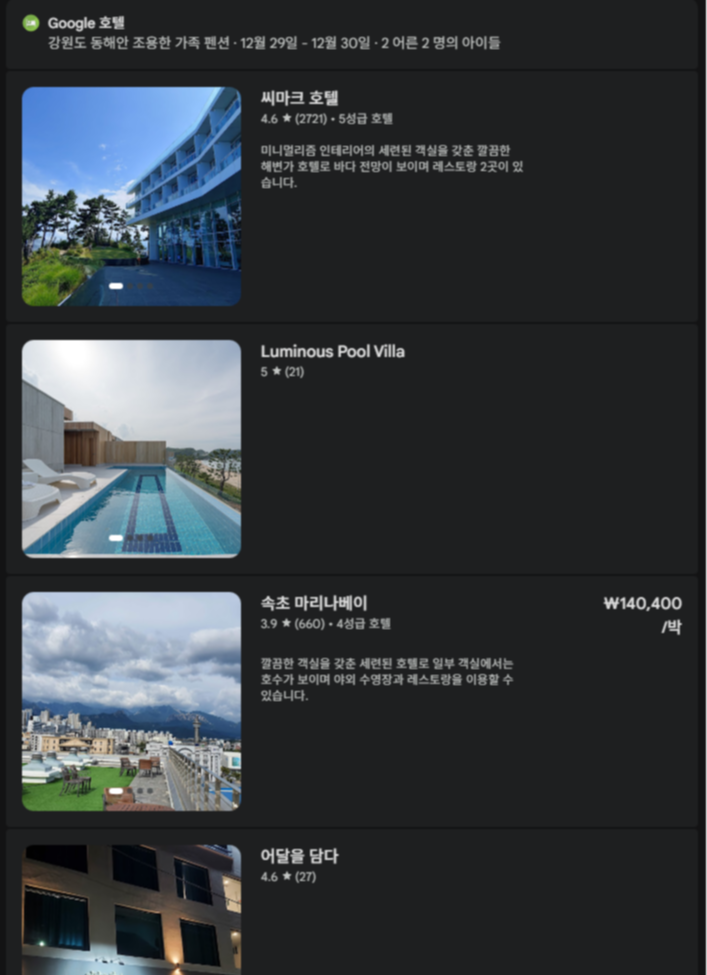
AI search fundamentally differs from traditional search. Google or Naver gave you a list of links. AI search gives you one synthesized answer. It'll describe your property in detail, surface booking info, even drop your phone number — all for free.
The problem: In the old portal era, multiple links got visibility. In the AI era, you're either selected or you're not. Opportunity is bigger, sure — but so is the zero-sum competition among similar properties.
Here are 4 concrete actions to make sure AI actually shows your property to travelers — instead of ghosting you.
👉<Keep Reading>
💡 Hospitality Trends
Seoul City Pushes to Open Foreign-Only Minbak to Korean Travelers
TL;DR: Seoul wants "foreign tourist minbak" licenses to cover Koreans too — six deregulation requests sent to central government.
The story: Seoul City formally asked the central government for six regulatory changes to boost tourism. The marquee item: allow Koreans to stay at properties licensed for "foreign tourist urban minbak" (currently foreigner-only).
The rationale: Platforms like Airbnb already serve both domestic and foreign guests without distinction — the law should catch up to reality.
Seoul also proposed allowing home-based offices for travel agency registrations (not just commercial buildings), reflecting the rise of solo entrepreneurs and online/remote booking operations.
Other asks include: ▲easing hotel construction rules in residential zones ▲waiving K-ETA for Thai and Malaysian tourists ▲letting hospitals advertise to domestic patients when they're licensed for medical tourism ▲streamlining permits for Han River sports facilities.
The goal: make Seoul easier to visit and stay in for both international and domestic travelers.
⌨️ Keyword News
1️⃣ Motel count down 30% 👉[Full story]
TL;DR: Seoul's motel/inn operators down 30% in five years
The story: Seoul had 2,058 registered motel/inn operators in 2019; by 2024 that fell to 1,469 — a ~30% drop. On Jeju, 541 lodging facilities (3,134 rooms) shut down last year alone — nearly double the 2023 figure.
2️⃣ Hotel app boom 👉[Full story]
TL;DR: App-based hotel bookings jumped from 20% to 34% in two years
The story: Analysis of 4.9 million customers over three years shows lodging app payment share rose from 20% to 34%. Average transaction via app: ₩100,000. Average walk-in payment: ₩74,000.
3️⃣ Yanolja leadership shake-up 👉[Full story]
TL;DR: Yanolja restructures into three divisions; new CEOs appointed
The story: Yanolja reorganized from two to three business units: Consumer Platform, Enterprise Solutions, and Corporation (holding). The company says the move accelerates its "AI Transformation (AX)" and sharpens focus on customer value and technical competitiveness.
4️⃣ 2026 tourism budget 👉[Full story]
TL;DR: ₩1.5 trillion earmarked for tourism — from "recovery" to "expansion"
The story: Ministry of Culture, Sports and Tourism set 2026 tourism budget at ₩1.48 trillion, up ₩132.7 billion (9.8%) from this year. Focus areas: infrastructure, regional tourism, and vacation support programs to hit the government's goal of 30 million inbound tourists.
5️⃣ China travel spike 👉[Full story]
TL;DR: Chinese group-tour visa waiver drives 90% visitor jump, 40% sales lift
The story: Since the visa-waiver program for Chinese group tourists began (Sept 29–June 30 next year), Shinsegae Duty Free's Myeongdong store saw Chinese visitor traffic up 90% YoY and sales up 40%. October arrivals hit 470,000 Chinese tourists — 83% of 2019 levels. The government expects another million Chinese visitors by June 2026.