What matters now isn't just checking in — it's what guests experience while they're there.
Hocance (hotel + vacance) is a household term now.
But the word first surfaced in the mid-2000s. Media mentions started around 2005, and usage gradually picked up. The concept really exploded during the No Japan boycott and the pandemic — when staying local became the default.
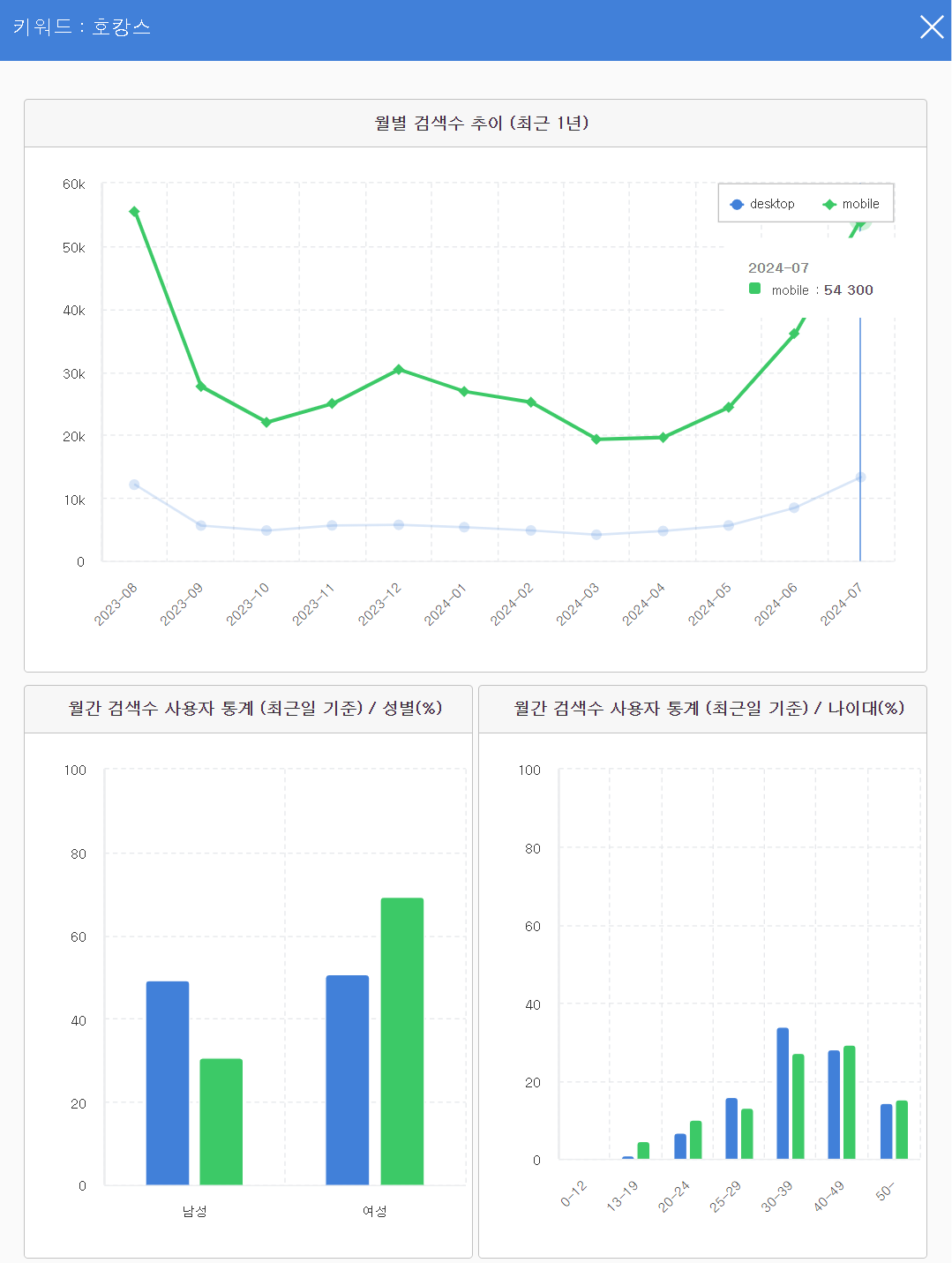
Naver search data shows steady interest in hocance — spiking every summer. Not just Gen Z, either. People in their 30s and 40s are searching just as much.
These days, hotels aren't just selling rooms. They're selling themed experiences. And competition is fierce.
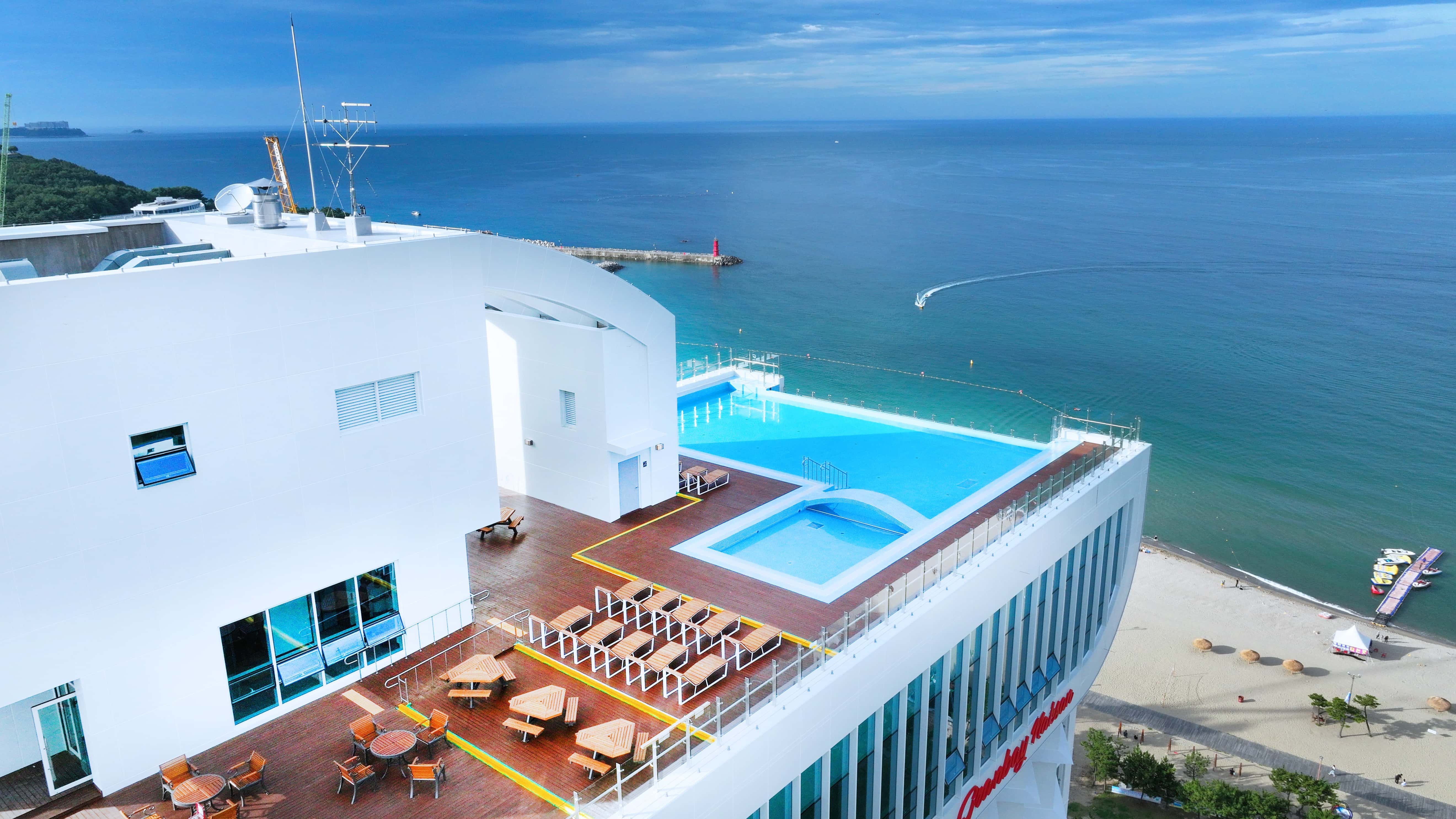
The biggest summer trend? "Soocance" (water + hocance). Think beyond pools — yacht excursions, surf lessons, DJ pool parties. Hotels are packaging aquatic experiences into every imaginable format.
"Keycance" (kids + hocance) is also booming. Hotels are theming rooms around popular characters — Catch! Teenieping, Kakao Friends, Minions. Others bundle in English camps, baking classes, and activities kids can't do at home.
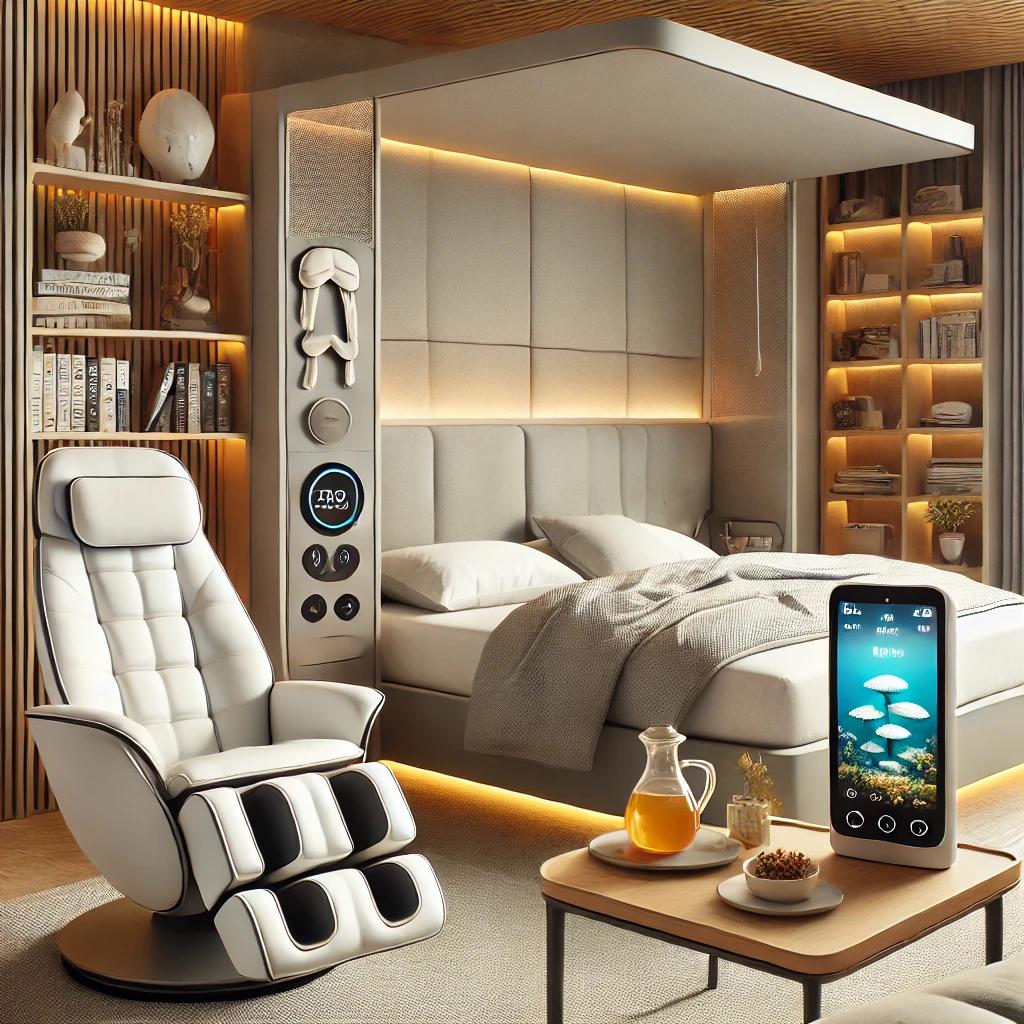
For guests craving total rest, there's "Wellcance" (wellness + hocance) and "Hyucance" (休, rest + hocance). These packages load rooms with massage chairs, air purifiers, mental care devices, and motion beds — along with healthy meal kits and beverages.
Pet owners are traveling more than ever. Korea Tourism Organization data shows 60.4% of pet owners took an overnight trip with their dog in the past year (up from 53% in 2022). Nearly 75% plan to travel with their pets in the next 12 months.
Hotels are responding with "Petcance" and "Meongcance" (멍멍, bark + hocance) packages. That means pet amenities, strollers, grooming kits, toys — everything a pet parent needs.
There's more. "Meokcance" (food + hocance) for foodies. "Byucance" (beauty + hocance) with beauty treatments and products. "Artcance" for culture lovers. The common thread: hotels competing on experience, not just accommodation.
This trend isn't Korea-only. "Staycations" are surging globally. In cities like New York and San Francisco, locals are booking luxury hotels nearby to skip the flight and enjoy spas, Michelin dining, and rooftop bars close to home — especially as inflation squeezes travel budgets.
Why the shift? Consumers — especially Gen Z and Millennials — value experiences over ownership. A Korea Economic Research Institute report on consumption trends found that younger consumers prioritize unique experiences and hobbies over material goods.
Expect more themed packages. Hotels used to compete on service and comfort. Now they compete on what guests can experience while they're there.